 Himal Press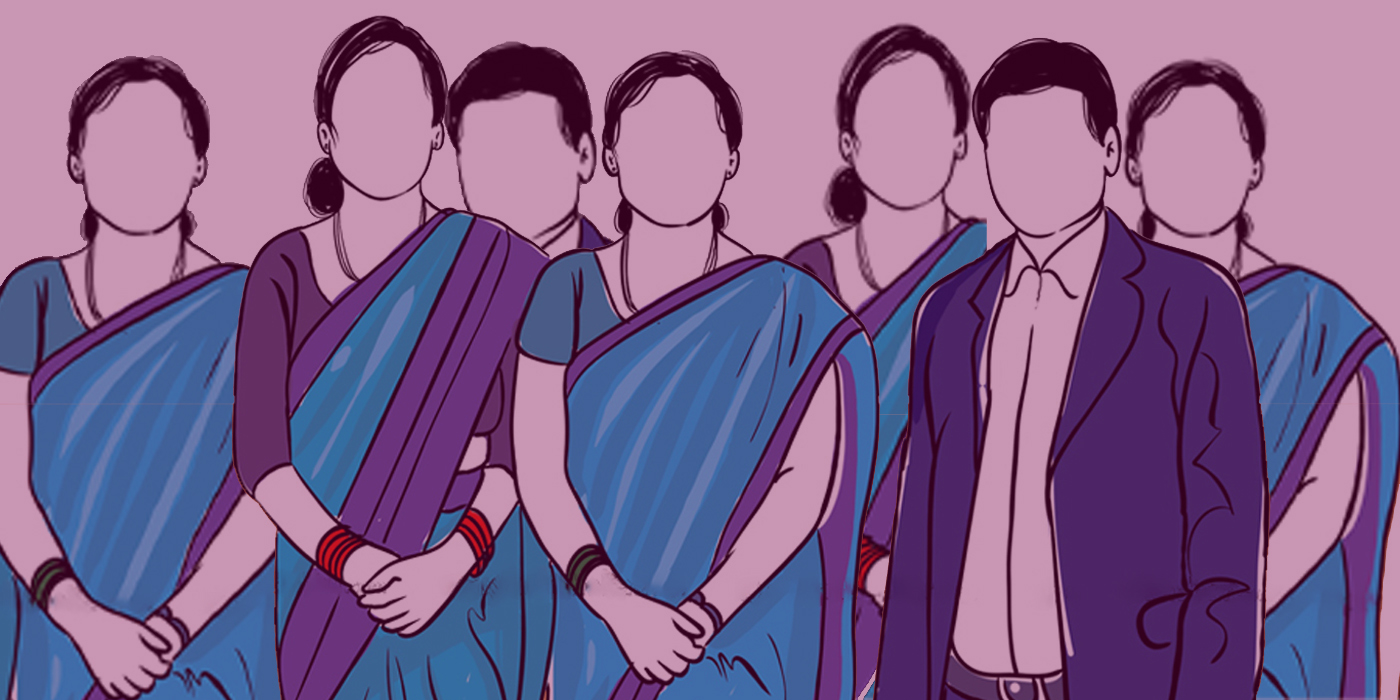
KATHMANDU: The government has tabled the Bill to Amend and Consolidate Laws Relating to the Federal Civil Service in the Federal Parliament.
Minister for Land Management, Cooperatives and Federal Affairs and General Administration Pratibha Rawal tabled the bill in the House of Representatives on Thursday.
The bill has reignited debate among civil servants by including provisions on post-retirement employment, a long-disputed issue in the civil service. It proposes a two-year cooling-off period for gazetted special- and first-class officers.
As per the bill, employees who have resigned or retired from gazetted special- or first-class positions in the federal civil service or other government services will not be eligible for appointment to any constitutional, diplomatic, or other government position for two years from the date their resignation is accepted or they retire.
They will also be barred from working as employees or consultants for two years after retirement on projects operated by entities other than intergovernmental organizations or international development partners.
The bill also prohibits them from working as employees or consultants for organizations related to the area of responsibility of the agency where they served during the final year before retirement, or organizations regulated by that agency.
However, the bill allows the government to utilize the experience and expertise of retired civil servants if it considers this necessary for civil service reform.
The cooling-off period had also been a contentious issue in the previous Federal Civil Service Bill. Former chairperson of the House of Representatives’ State Affairs and Good Governance Committee Ram Hari Khatiwada resigned from the post after a dispute arose within the committee over whether to retain or remove the provision.
Although the legislative process subsequently moved forward, the bill could not advance after the House of Representatives was dissolved following the Gen Z movement of September 2025.
Presenting the bill in the House of Representatives on Thursday, Minister Rawal said the bill would provide a foundation for effective implementation of the federal system of governance and contribute significantly to good governance and public administration reform.
Retirement at 55 or after 30 years of service
The bill also proposes changes to the mandatory retirement provisions for civil servants.
Employees serving when the proposed law comes into force would be required to retire upon reaching 55 years of age or completing 30 years of service.
For employees retiring at 55, the bill has proposed a transitional provision for pension calculation. As per the provision, pension will be calculated by adding a service period of up to three years from the remaining period before reaching the mandatory retirement age of 58. This provision would apply only once during the transition period.
For employees retiring after completing 30 years of service, the new pension calculation formula proposed by the bill would apply.
Under Section 62, employees with at least 20 years of service would be entitled to a pension after retirement.
Any service beyond 30 years would not be included in pension calculations.
Voluntary retirement for employees aged 55
The bill also introduces a separate provision for voluntary retirement for employees aged 55 or above.
Employees who have become eligible for a pension and have reached 55 would be allowed to take voluntary retirement within the prescribed period.
For pension purposes, up to five additional years of service could be added for employees taking voluntary retirement, provided the additional period does not take their deemed age beyond 60.
Former president of the Nepal Civil Servants’ Union Gopal Prasad Pokhrel said the provisions in the bill were premature.
“This is not something that should be permanent. Instead of ensuring uniformity, it is wrong to add provisions in this manner,” he said.
Menstrual leave added
The bill also proposes a new provision for menstrual leave for female employees.
Menstrual leave has been added to the existing categories of leave, which include casual, home, sick, maternity and childbirth, maternity care, bereavement, study and extraordinary leave.
Although the bill was tabled in the House of Representatives on Thursday, it will not take effect immediately. As Parliament is scheduled to be prorogued from Friday, the legislative process on the bill will resume only after the House reconvenes.