 Himal Press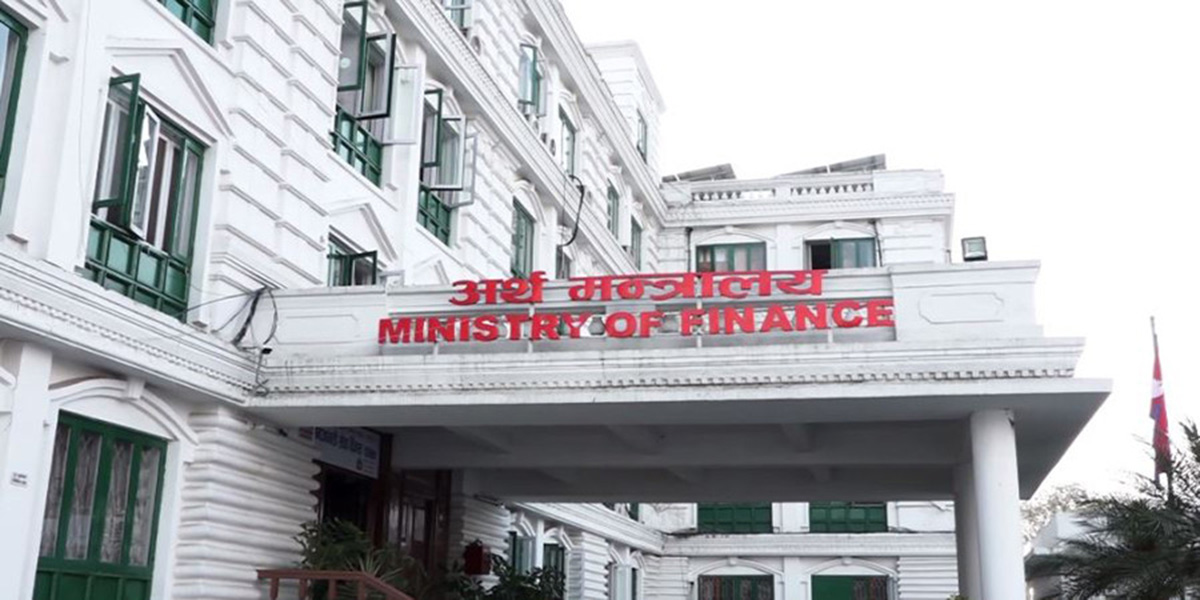
KATHMANDU: The Ministry of Finance has registered an amendment notice in the Federal Parliament Secretariat to ‘formalize’ five changes made in the Economic Bill after it was unveiled alongside the budget for the fiscal year 2026/27.
The ministry updated the bill on its website as many as four times after it was first published on May 29. The Bill even went missing on the ministry’s website for some time.
Haphazard revisions, however, drew criticism from opposition parties. Leaders of the opposition parties accused the government of making changes to tax rates and other provisions without parliamentary approval. Following the objections, Wagle formally submitted amendment notices to the Federal Parliament Secretariat.
Because of repeated corrections, the ministry could publish the notified orders related to the budget only on June 3 instead of May 29.
According to the amendment notice submitted to Parliament, corrections have been made to Sub-clause 2 of Clause 11, omitted provisions in Schedule 4, and customs tariff classifications under Group 2 of Schedule 1 related to Sub-clause 10 of Clause 55. Additional amendments have also been introduced under Clauses 57 and 58, including revisions to customs tariff headings and the insertion of a new provision under Clause 57(5).
The amendments clarify several tax and customs-related measures announced in the budget. One provision states that vehicles that have already paid excise duty at customs points will not be subject to the Clean Infrastructure Construction Fee. Likewise, electric vehicles with an invoice value of up to Rs 2 million will be charged a road construction fee of only 2.5%—half the rate applicable to other vehicles.
The revised Bill also introduces a provision preventing energy producers from issuing VAT invoices to the Nepal Electricity Authority (NEA). Likewise, cinema halls located outside metropolitan and sub-metropolitan cities will receive a 10-year income tax exemption.
Similarly, taxpayers will now be allowed to deduct from their taxable income either 25% of the amount spent on their children’s school fees or Rs 25,000, whichever is lower.