 Himal Press
 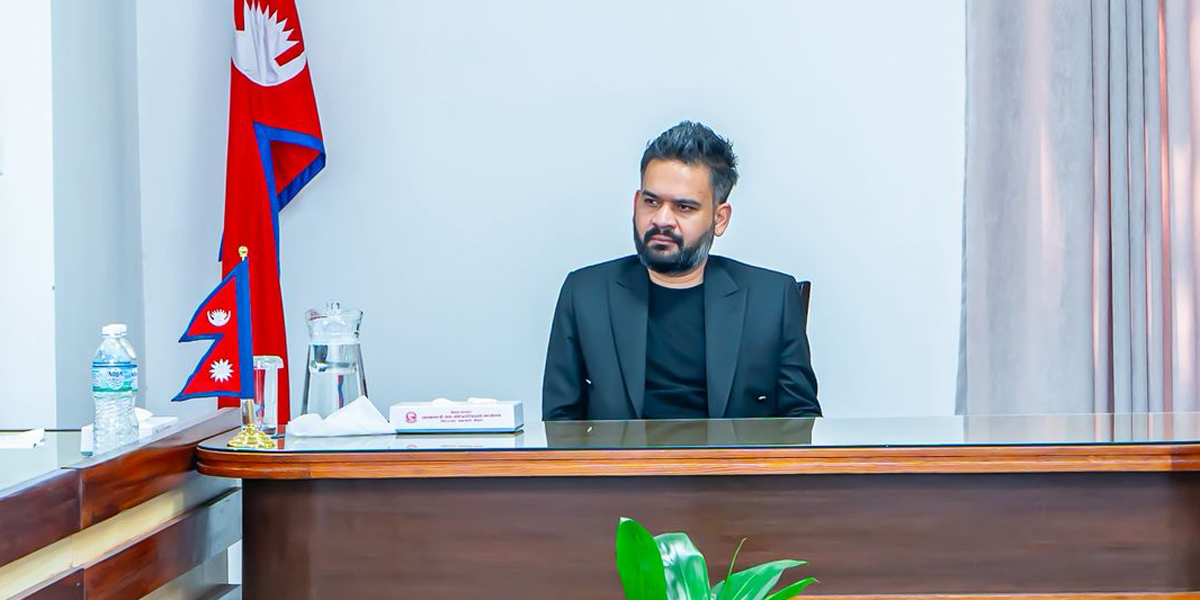 Prime Minister Balendra Shah
KATHMANDU: Whether it was the decision to halt permanent recruitment in government offices or the policy to impose a 3% equity fee in the education and health sectors, the Balendra Shah-led government has been forced to backtrack on both issues due to intense public pressure.
This has raised questions about inadequate preparation in policymaking and a tendency to reverse decisions under public backlash.
The government has, over the past couple of days, been compelled to retreat from two major decisions amid public criticism. This has sparked debate over the government’s decision-making process, policy preparedness and implementation capacity.
The first controversy was linked to the Public Service Commission (PSC). After a meeting of government secretaries decided on Monday that no requests for permanent recruitment would be sent to the PSC without approval from the Office of the Prime Minister and Council of Ministers until the completion of an Organization and Management (O&M) survey following ministry restructuring.
The decision triggered a strong backlash on social media. Youth preparing for civil service exams viewed the move as directly affecting their future. They accused the government of trying to shut down employment opportunities.
As protests intensified, the Prime Minister’s Office issued a clarification after a few hours, stating that the regular recruitment process through the PSC would not be halted. The government explained that while temporary measures were being considered due to ministry restructuring and staff adjustments, necessary positions would continue to be filled through the PSC.
Soon after, another controversy emerged over the equity fee in education and health announced through the budget. The government had claimed the fee would help expand access to education and healthcare in remote areas, support Dalit and disadvantaged communities and mobilize resources for health insurance.
However, the general public opposed the fee, arguing that the burden would ultimately fall on students, parents and patients. The decision was also criticized in Parliament, with lawmakers demanding that the government withdraw the fee.
Ultimately, Prime Minister Shah announced via social media on Tuesday that the education and health equity fees would not be implemented for now. He said the decision was revised in respect of public sentiment, adding that the government was ready to correct policies that appear to go against people’s interests.
The two incidents have raised similar concerns about the government’s approach. A pattern appears to be emerging of making decisions first and then issuing clarifications or reversing them after widespread criticism. This has prompted questions about whether sufficient study, impact assessment and consultation are conducted before policy decisions are made.
While correcting decisions in response to public feedback is a positive democratic practice, repeated U-turns can raise questions on the stability of decision-making, preparation and the government’s capacity to implement policies effectively.