 Himal Press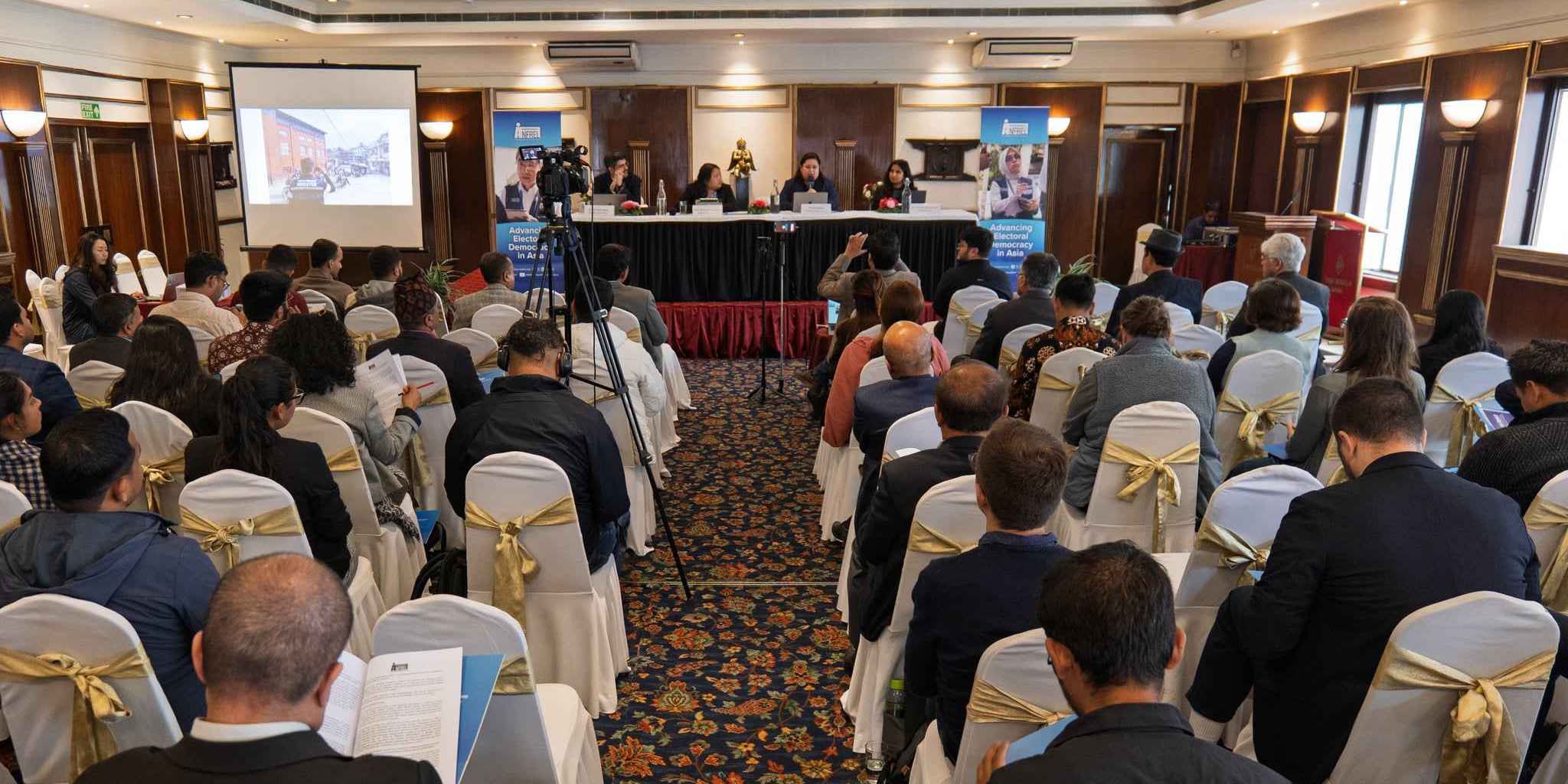
KATHMANDU: The Asian Network for Free Elections (ANFREL), an international election observation organization, has announced that the elections for the members of the House of Representatives in Nepal held on Thursday were completed in a peaceful and orderly manner.
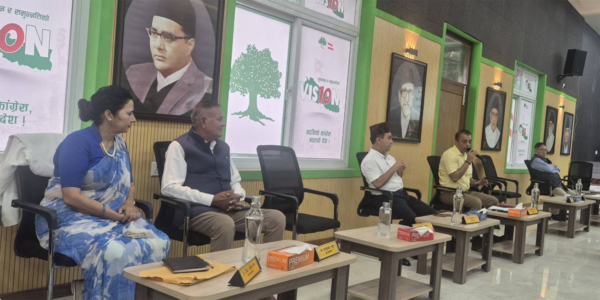
Organizing a press meet in Kathmandu on Sunday, ANFREL said the Election Commission (EC) completed technical preparations with great efficiency despite a limited timeframe and operating with an incomplete membership.
In its interim report, ANFREL said that Nepalis demonstrated a strong commitment to the democratic process despite the political upheavals that occurred on September 8 and 9. “However, observers found that while stakeholders maintained trust in the EC, there were notable gaps in voter education and access to information, particularly in remote areas,” ANFREL said in its report.
Presenting a summary of the report, Mission Head Advocate Rona Ann Caritos said that enforcement of the election code of conduct emerged as a primary challenge during the period.
According to the report, although monitoring mechanisms were in place, action was not taken in most cases of violations, which raised questions about political accountability. “Furthermore, observers noted that many candidates violated the legally prescribed spending limits, making it difficult for women and candidates from marginalized groups who are financially disadvantaged to compete,” it added.
Regarding security, ANFREL said while arrangements were robust on polling day, the presence of armed security personnel was observed inside some polling stations. Additionally, the report found that most polling centers were not accessible to persons with disabilities and the elderly due to geographical remoteness and structural difficulties.
Executive Director of ANFREL, Brizza Rosales, said that a full report will be submitted to the EC within a month. She expressed confidence that the EC will implement the suggestions and recommendations included in the report.
Mission Coordinator, Dr Manjesh Rana, said that the report was prepared based on the observation of 600 polling centers across 35 districts and consultations with more than 600 stakeholders.