 Himal Press
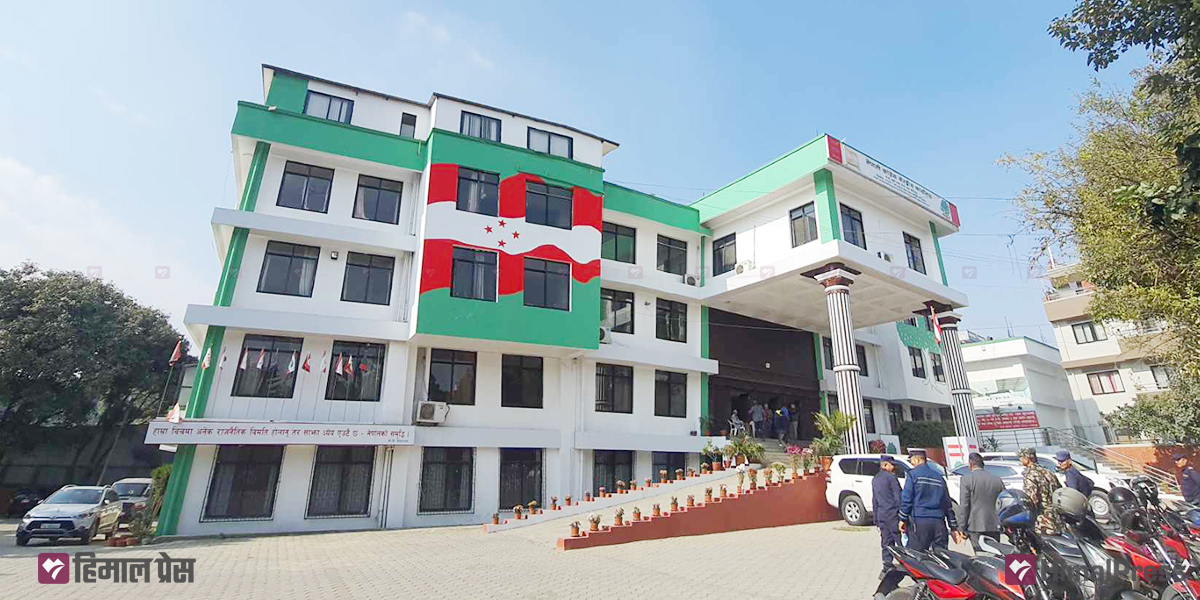
KATHMANDU: All seven provincial governments are headed for a major reshuffle after the Nepali Congress (NC) concluded that its coalition with the CPN-UML can no longer continue.
The development comes amid growing tensions between the two coalition partners and is expected to trigger changes in governments across all seven provinces.
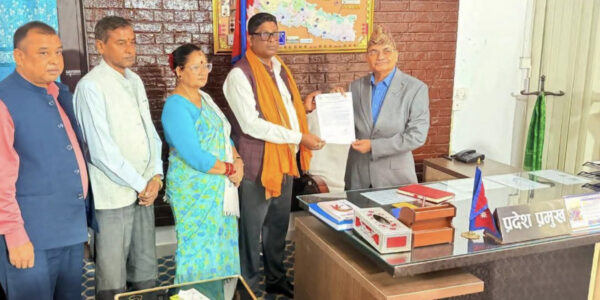
The first signs of the realignment emerged on Wednesday morning when all four NC ministers in the Karnali Province Government, led by CPN-UML Chief Minister Yam Lal Kandel, submitted their resignations.
Later in the day, Sudurpashchim Chief Minister Kamal Bahadur Shah dismissed three UML ministers and one minister of state from his cabinet, accusing them of non-cooperation in the budget process.
Under the existing power-sharing arrangement, the NC is leading governments in Madhesh, Gandaki, Bagmati and Sudurpashchim provinces, while the UML heads the governments in Koshi, Lumbini and Karnali.
The NC has now decided to pursue a new alliance with the Nepali Communist Party (NCP) to form provincial governments.
“We have arrived at a conclusion that the alliance with CPN-UML cannot continue any further. We are exploring possibilities of forming governments with other political parties, specifically the Nepali Communist Party (NCP),” an NC office-bearer told Himal Press on condition of anonymity, saying the party has yet to take a formal decision.
UML Central Committee Member Niru Pal, who is also in the party Chairperson KP Oli’s secretariat, said that talks with NC leaders regarding provincial governments were not positive. “There were disagreements with the NC over the budget of some provincial governments. Efforts were underway to resolve them,” Pal said. “We had even proposed bringing the NCP on board to make provincial governments stable. But the NC’s decision in Karnali and Sudurpashchim shows they are bent on forming a new alliance.”
The current term of all seven provincial assemblies runs until 2027. However, provincial politics has remained volatile since the 2022 elections, with governments changing hands repeatedly among the NC, UML and NCP.
The latest development has come at a time when the three traditional parties have seen their influence at the federal level diminish following the rise of the Rastriya Swatantra Party (RSP). The RSP secured a near two-thirds majority in the March 5 polls and observers say it could sweep the provincial and local body elections.
The party is likely to push for early provincial assembly elections to cash in on the momentum.