 Himal Press
 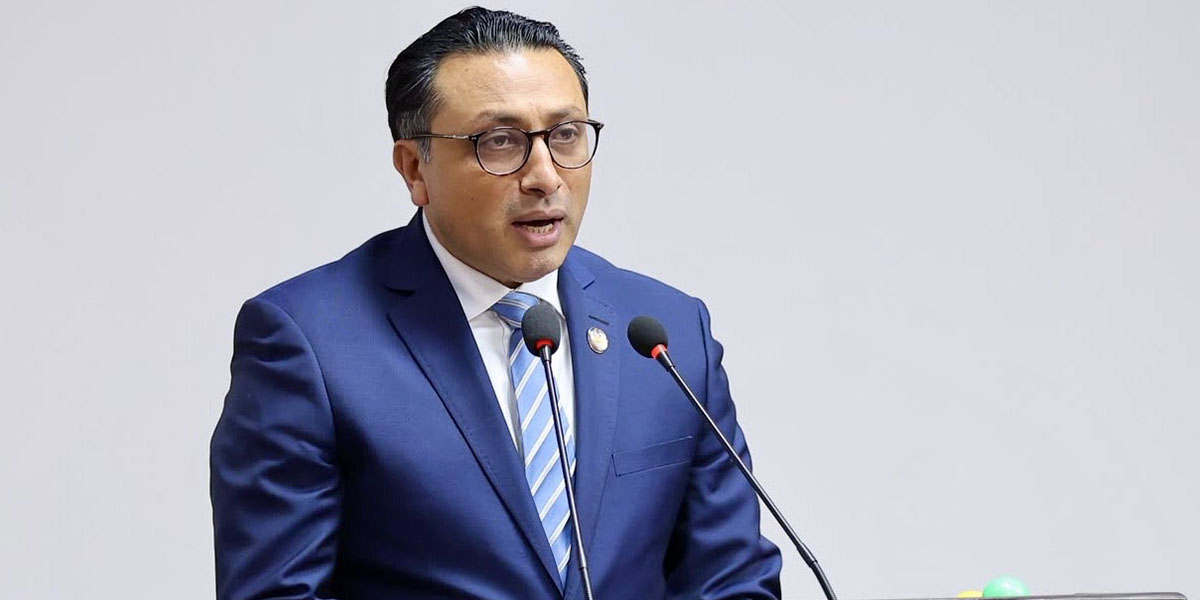 Photo: RSS
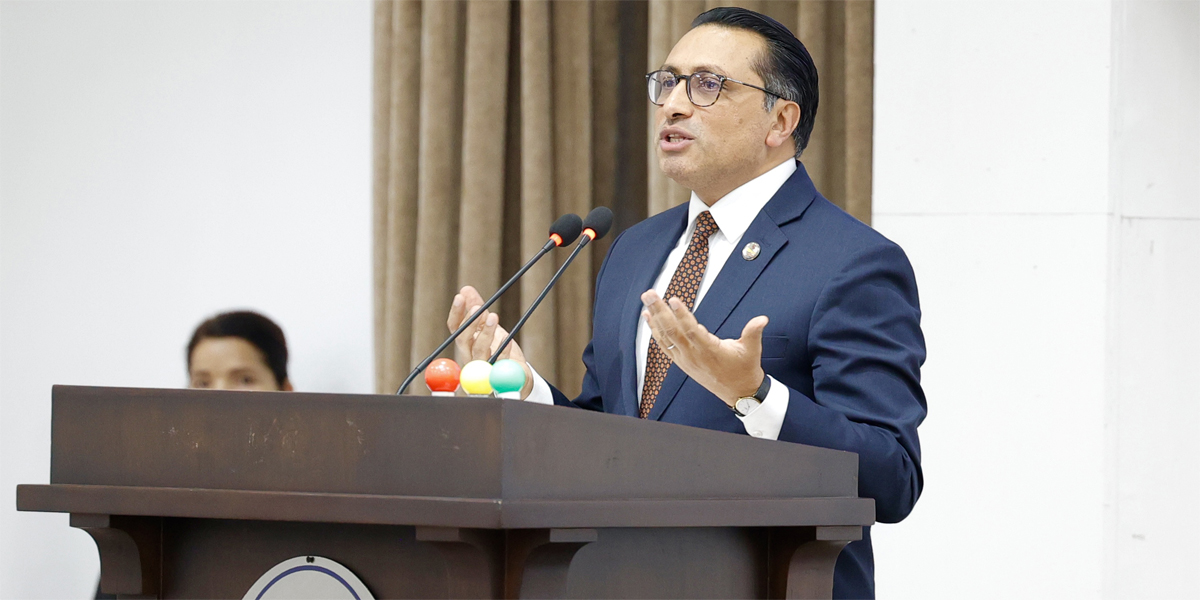
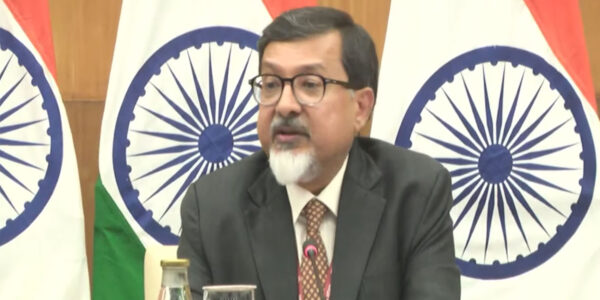
KATHMANDU: Minister for Finance Dr Swarnim Wagle has said that the efforts were underway to remove Nepal from the ‘grey list’ of the Financial Action Task Force (FATF) grey list.
Responding on behalf of the Prime Minister to questions raised during discussions on budget allocations under the Appropriation Bill, 2026/27 at the Meeting of the National Assembly on Tuesday, Wagle said relevant departments and agencies were implementing time-bound targets under the National Strategy and Action Plan (2024–26) on anti-money laundering and countering the financing of terrorism, along with an expanded set of immediate corrective actions aimed at exiting the grey list.
The finance minister also said that the Asset (Money) Laundering Prevention Act, 2008 has established institutional mechanisms for this purpose, including a directive committee led by the Finance Minister and a coordination committee headed by the Secretary at the Office of the Prime Minister and Council of Ministers. The Financial Information Unit under Nepal Rastra Bank is functioning as the focal unit on this matter, he added.
The Finance Minister further informed that the Asset (Money) Laundering Prevention (Third Amendment) Ordinance, 2026 has recently been passed by both houses of the federal parliament.
“Sectoral risk assessment reports have been prepared to identify areas requiring reform for Nepal’s removal from the grey list. We are also preparing the final draft of the National Risk Assessment Report. Based on this, concrete steps will be taken to mitigate identified risks,” he added.
Wagle said the government was working with a time-bound strategy and action plan to exit the grey list. “We will continue to make every possible effort in the future,” he added.
Minister Wagle also informed the National Assembly that the annual budget and programme for the upcoming fiscal year 2026/27 have been formulated in alignment with the government’s policies and programmes, under the leadership of the Office of the Prime Minister and Council of Ministers, which holds key executive responsibilities including policy direction, coordination, monitoring, and evaluation of governance.