 Himal Press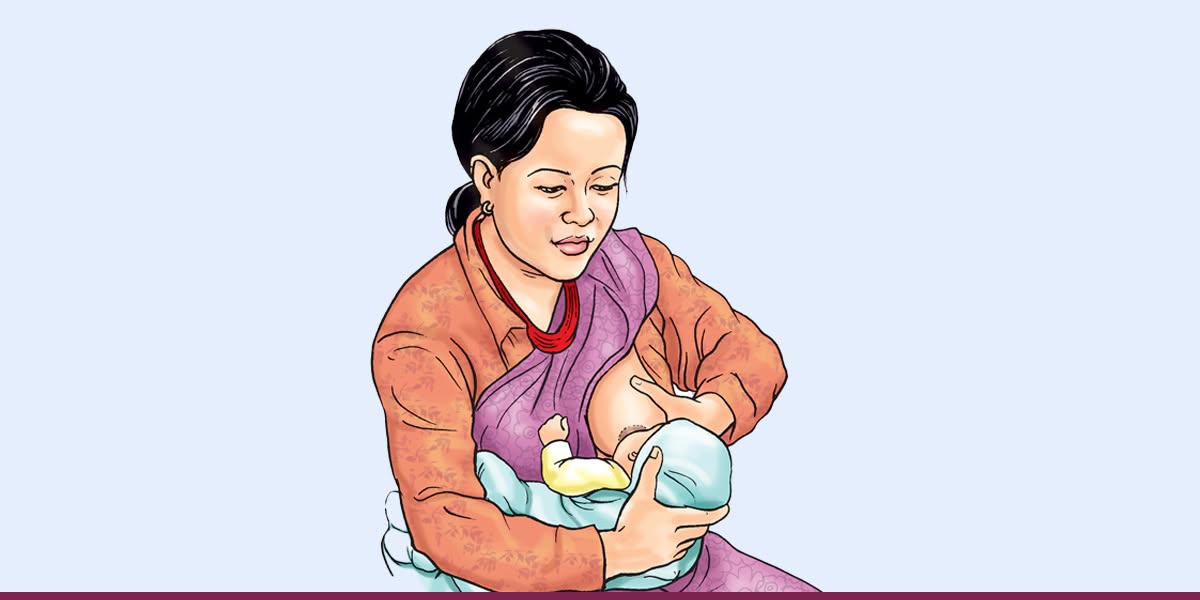
SURKHET: While the rate of exclusive breastfeeding for the first six months has been steadily declining in Nepal in recent years, breastfeeding rates are improving in Karnali Province. Karnali is now among the country’s top-performing provinces on this indicator.
According to the Nepal Demographic and Health Survey, 74% of infants in Karnali are exclusively breastfed for the first six months—18 percentage points higher than the national average of 56%.
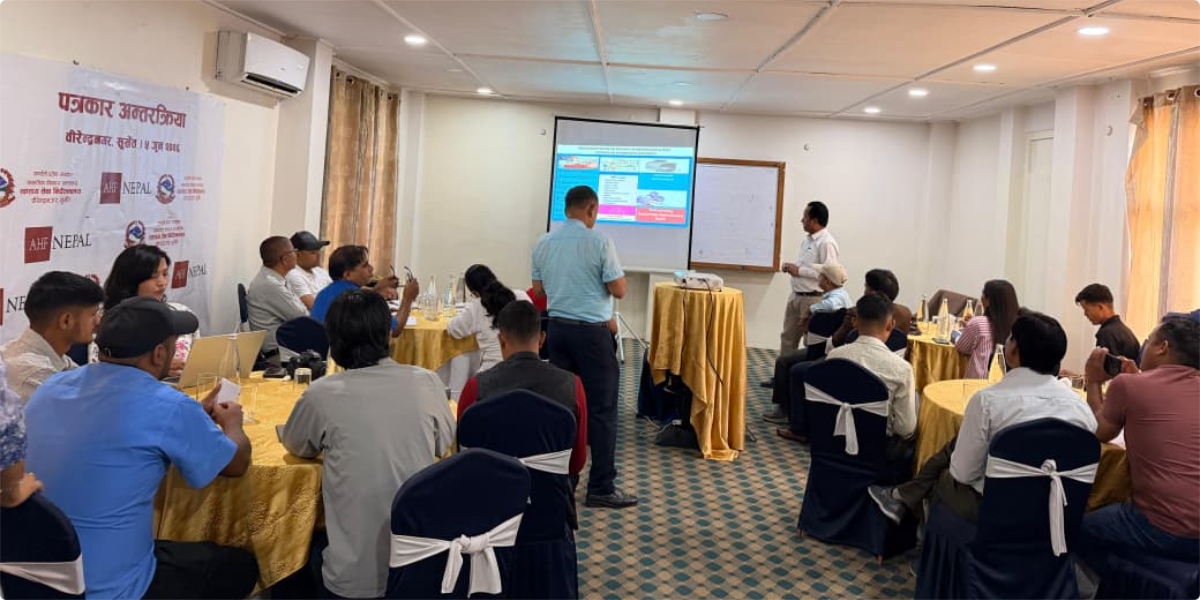
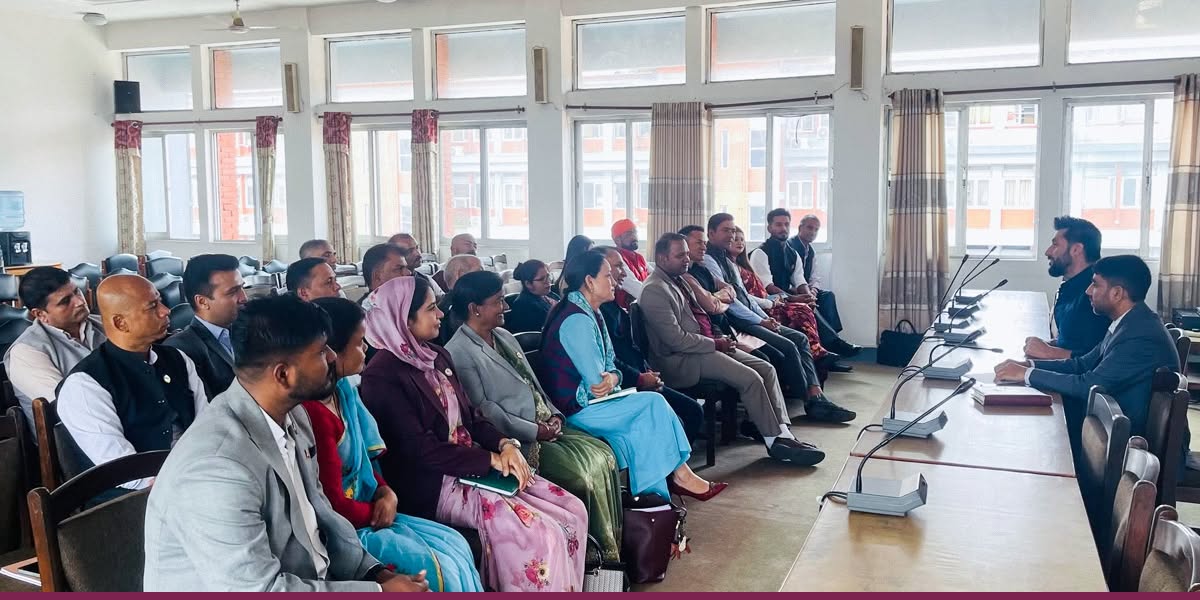
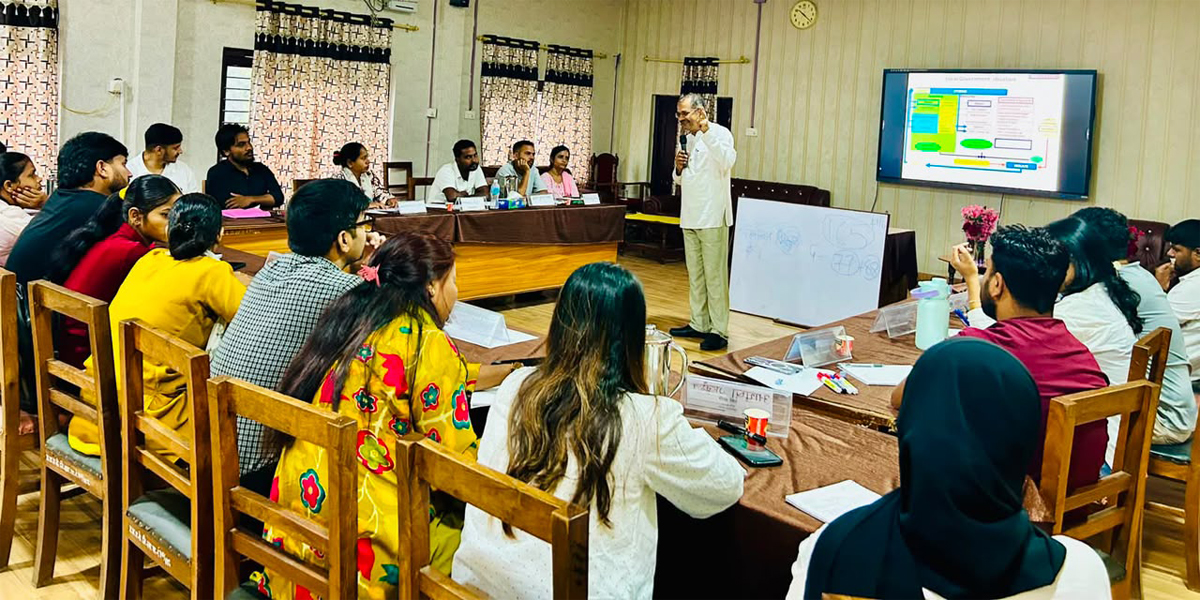
The improvement in breastfeeding practices in Karnali was highlighted during an orientation on the protection, promotion and support of breastfeeding organized in Birendranagar by the Karnali Province Health Services Directorate on Wednesday.
Presenting an overview of breastfeeding practices in Nepal, paediatrician Dr Subash Sharma said the national exclusive breastfeeding rate declined from 70% in 2011 to 66% in 2016 and further to 56% in 2022.
Provincial data show that Karnali and Sudurpashchim have the highest exclusive breastfeeding rates at 74% each. Madhesh follows with 65%, Gandaki with 64%, Koshi with 53% and Bagmati with 43%. Similarly, Lumbini has the lowest rate at 36%, according to Sharma.
According to health experts, initiating breastfeeding within one hour of birth and feeding infants only breast milk for the first six months are crucial for a child’s health, nutrition and immune system development. In Nepal, 55% of newborns are breastfed within an hour of birth, while 94% continue to be breastfed up to the age of two.
Speaking at the program, UNICEF Nutrition Officer Sher Singh Dahit said women working in government, non-governmental and private sectors are entitled to at least 98 days of paid maternity leave before or after childbirth. “Legal provisions that require workplaces to facilitate breastfeeding until a child reaches the age of two have helped encourage breastfeeding practices,” he added.
Similarly, Advocate Tulasa Bhandari said the Mother’s Milk Substitutes (Control of Sale and Distribution) Act, 1992 aims to protect and promote breastfeeding by regulating the sale, distribution and advertisement of infant feeding products. “This law helps curb unchecked promotion of breast milk substitutes, ensures product quality, and supports the provision of safe and adequate nutrition for infants,” she added.
Director of the Health Services Directorate Dr Rabin Khadka said breastfeeding remains the most effective means of ensuring infants’ health, nutrition and overall development. “The provincial government has been continuously working to improve maternal and child health through effective implementation of legal provisions, public awareness campaigns and the creation of breastfeeding-friendly environments,” he added.
The data also suggest a link between breastfeeding practices and socioeconomic as well as educational status. Exclusive breastfeeding is more common among low-income families, with a rate of 64%, compared to 44% among high-income households. Similarly, 59% of mothers with no formal education exclusively breastfeed their infants, compared to 53% of mothers who have completed secondary education.
Meanwhile, the use of feeding bottles has been increasing. The practice, which stood at 3% in 1996, rose to 22% in 2022. In Karnali, however, only 11% percent of infants are fed using bottles. This is one of the lowest rates in the country.
![Registration of over 5,000 pharmacies scrapped [With list]](https://en.himalpress.com/wp-content/uploads/2026/06/DDA-drugs.jpg)