 Himal Press
 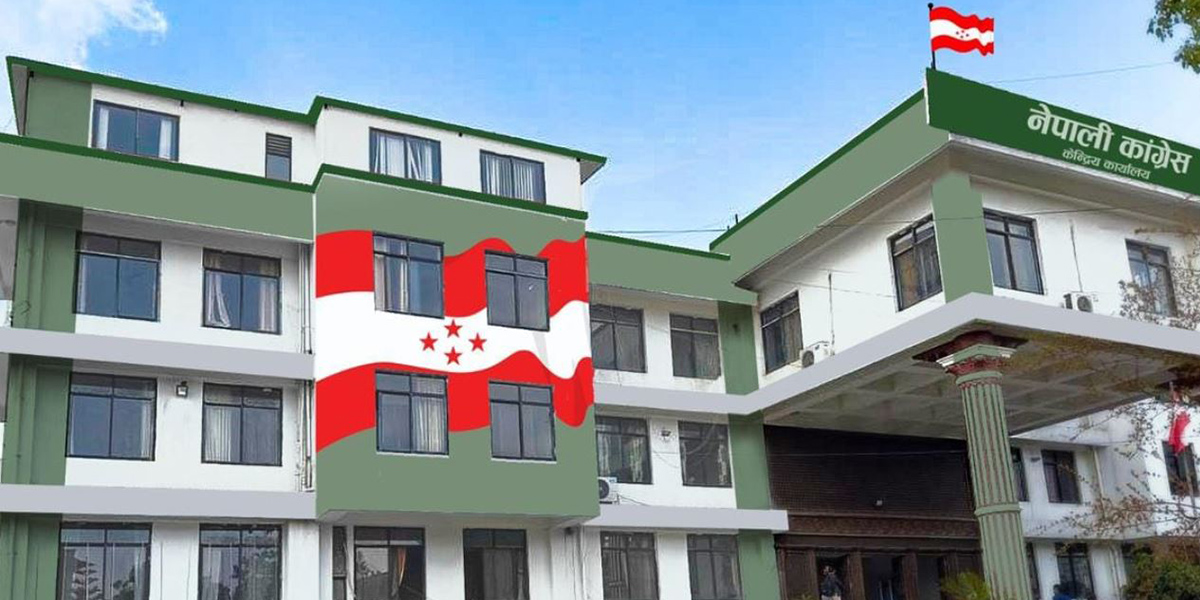 Nepali Congress Central Party Office
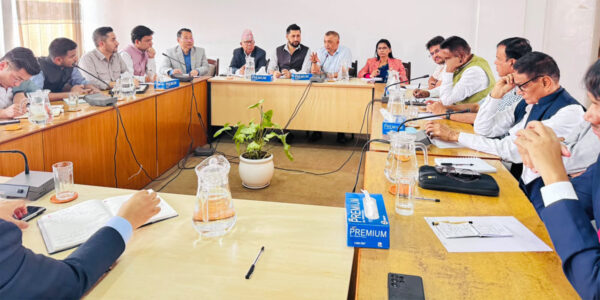
KATHMANDU: A seven-point proposal that Nepali Congress (NC) Vice President Bishwo Prakash Sharma had internally sent to the party’s dissatisfied faction has been made public on Sunday.
The proposal, sent internally on May 30, was released after the opposing faction failed to respond to it for nearly two weeks.
The proposal acknowledges the political situation that emerged after the Special General Convention and urges the party to move ahead in a united manner by putting past differences aside.
The first point of the proposal states that the party should accept the Special General Convention held in accordance with Article 17(2) of the party statute, the updates made by the Election Commission, and the final decision of the Supreme Court, and move forward together by forgetting all disputes. It also proposes that if there are disagreements over the process and outcome of the Special General Convention, they can be raised as political agendas either verbally or in writing during the closed session of the 15th General Convention.
The proposal also includes a commitment not to discriminate against any member for not participating in the Special General Convention.
The second point states that the process of updating active membership should be completed within the stipulated timeframe during preparations for the 15th General Convention, and that ambiguities in the party statute regarding the matter should be clarified before moving ahead.
The third point proposes giving senior leaders who have made long contributions to the party a respectable role as “senior leaders” in the Central Working Committee.
According to the fourth point, leaders who previously served on the Central Working Committee or those willing to take responsibility will be included in the Central Working Committee in a dignified manner, while ensuring their appropriate participation in the Central Work Execution Committee as well. It also proposes ending the old practice of Central Working Committee members automatically becoming general convention delegates and making it mandatory for all Central Working Committee members to be elected as delegates from the ward level.
The fifth point proposes respectable participation and cooperation in the Election Committee, Disciplinary Committee, and Active Membership Management Committee formed to conduct the 15th General Convention.
The sixth point proposes forming a 15th General Convention Management Committee as a component of the Central Committee, while the seventh point states that leaders interested in working in sister and well-wisher organizations should be assigned responsibilities as chairpersons, office-bearers, or other roles based on their qualifications and willingness.