
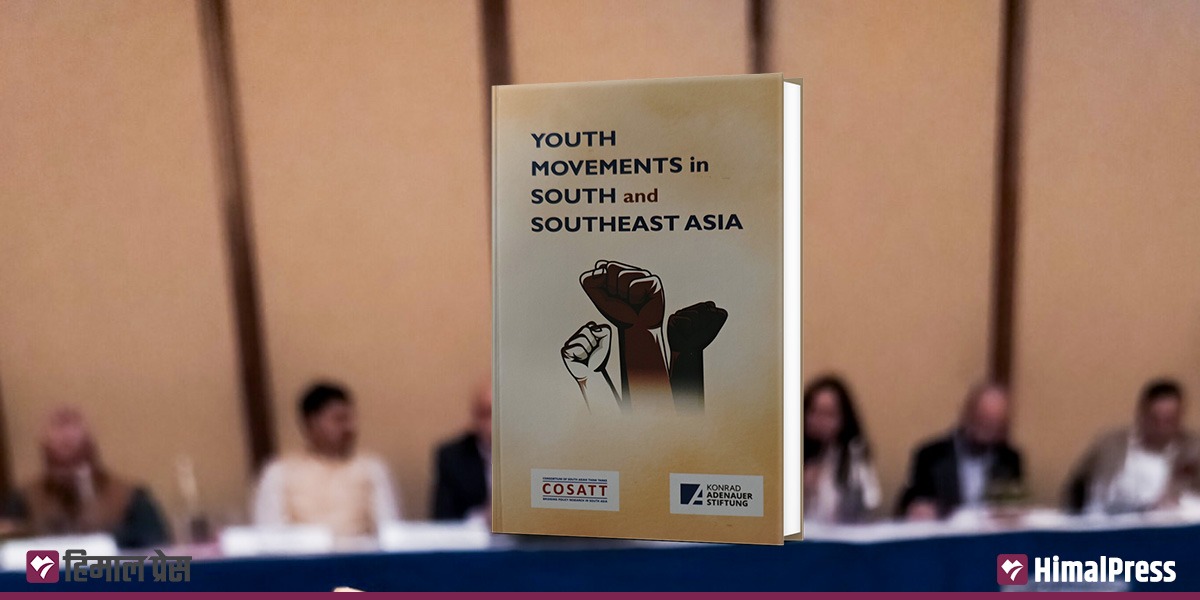
KATHMANDU: Political analysts and academics have said that the recent youth movements sweeping across South and Southeast Asia should not be viewed merely as momentary discontent or street-centred political activity, but rather as a decisive phase of democratic transformation.”
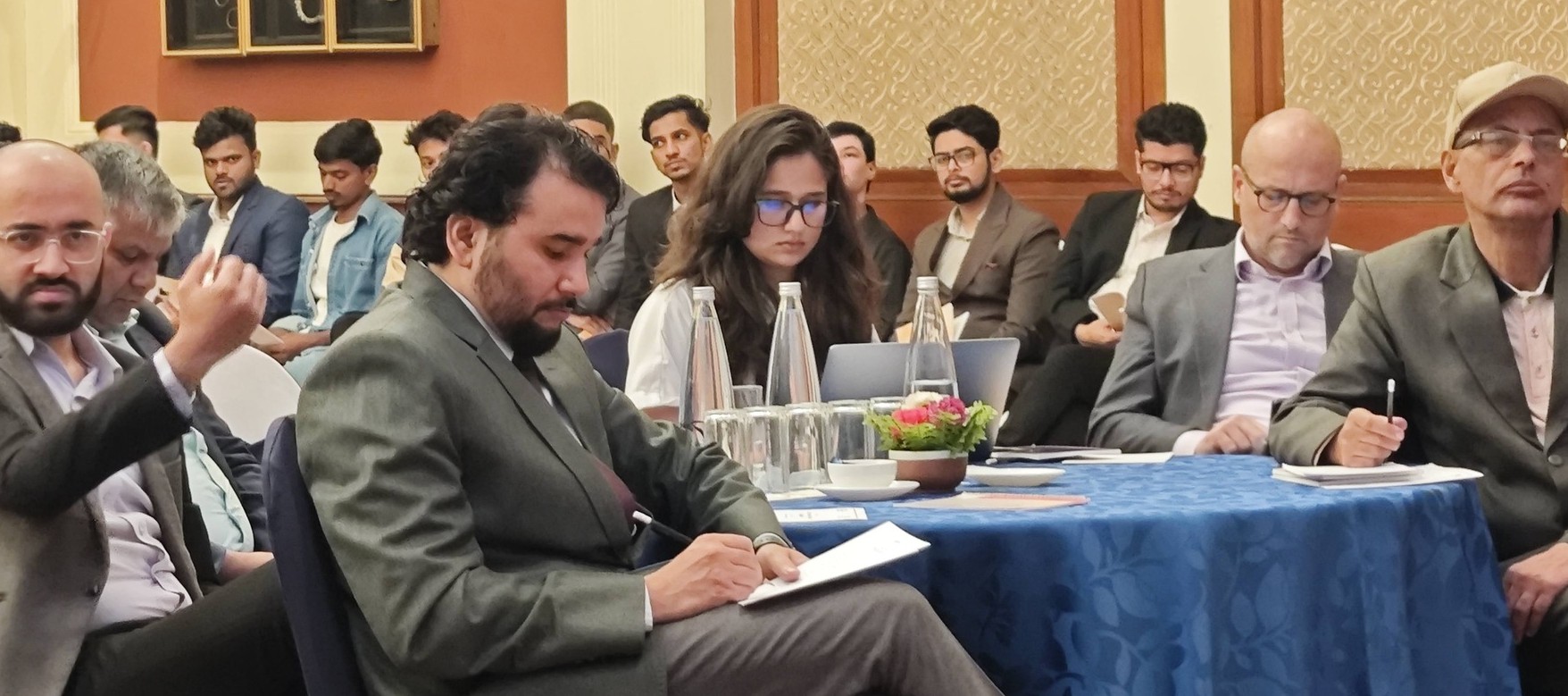
Speaking during the launch of a book titled “Youth Movement in South and South-East Asia” held in Kathmandu on Saturday, they also raised questions over whether such movements can move beyond protests to ensure effective governance, institutional reform and democratic stability.
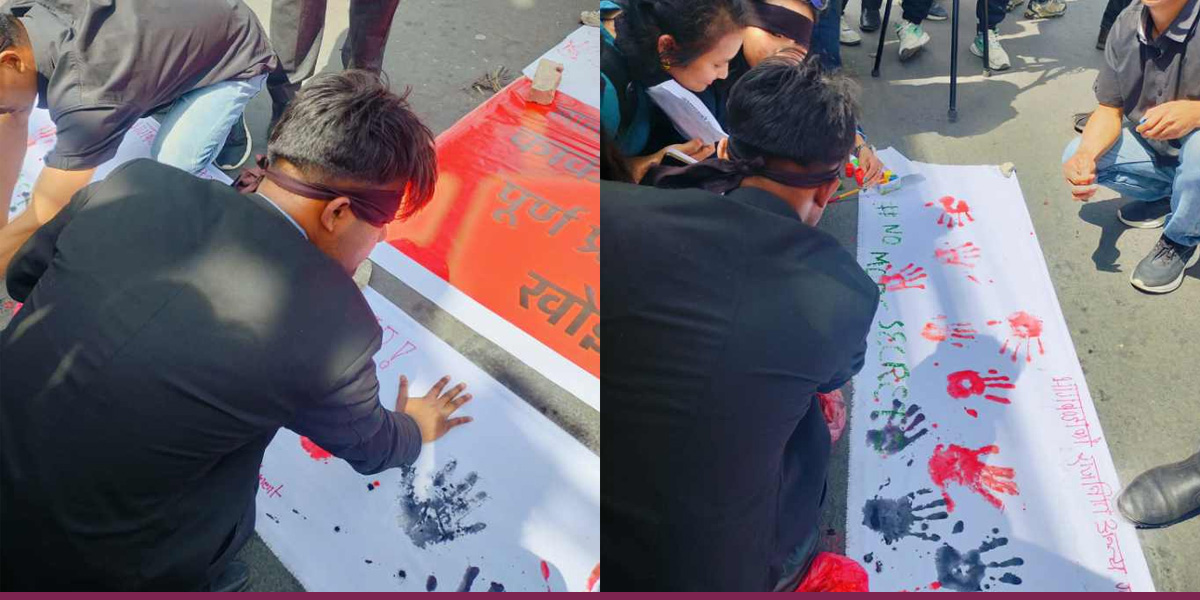
They argued that youth movements seen in countries such as Nepal, Sri Lanka, Bangladesh, Pakistan, the Philippines and Indonesia are no longer confined to protest politics, but represent a search for good governance, accountability and new political alternatives.
The book was published by the Consortium of South Asian Think Tanks (COSATT), a network of South Asian think tanks, with support from the Konrad Adenauer Foundation (KAS) of Germany.
Speaking on the occasion, Dr Nishchal Nath Pandey, coordinator of COSATT and head of the Centre for South Asian Studies (CSAS), said the post-COVID economic crisis, unemployment and lack of opportunities had pushed young people across the region towards protest movements. “Demands for generational change were intensifying in many South Asian countries where the same political parties and leaders have remained in power for decades,” he said. “In the case of Nepal, continued political instability had deepened frustration among youths. They had begun to see the recycling of the same political faces as a kind of relay race.”
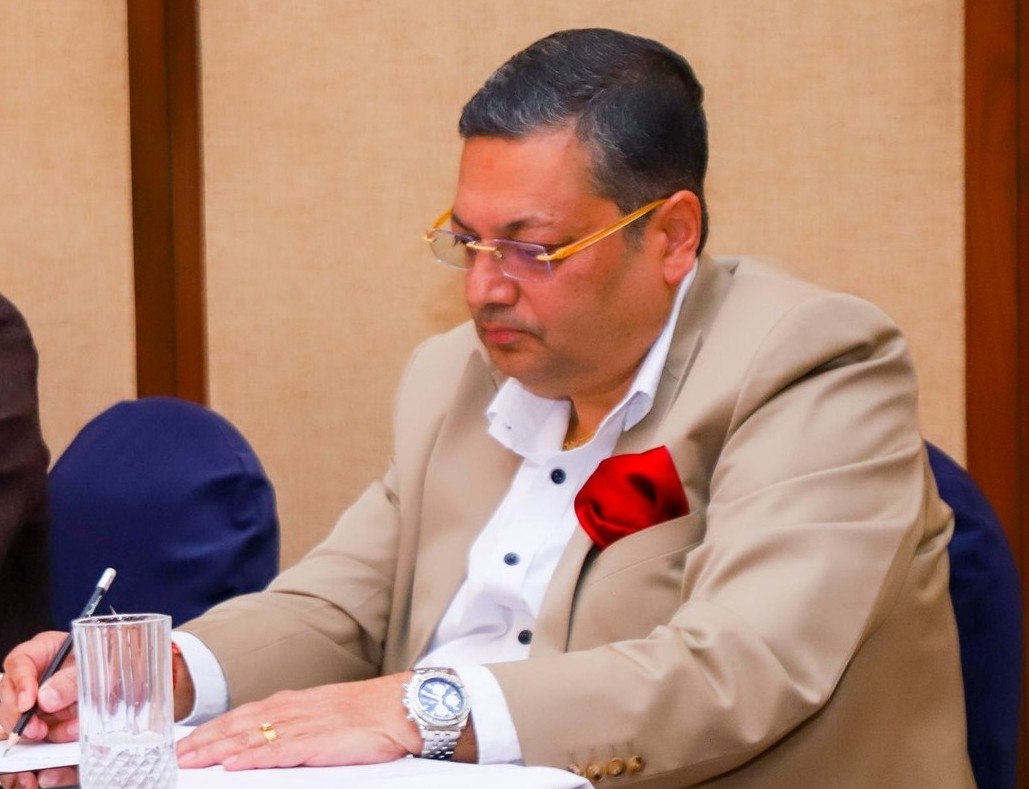
Asanga Abeyagoonasekera, executive director and senior researcher at the South Asia Foresight Network, said the movements in Sri Lanka, Nepal and Bangladesh showed that youth were searching for new political alternatives and accountable governance. Citing research on Sri Lanka’s economic and political crisis, he said public perception had grown stronger that governments themselves were responsible for the crises due to their own failures. “In Sri Lanka, the crisis began with a fertilizer shortage, evolved into an energy crisis, and eventually turned into a massive people’s movement,” said Abeyagoonasekera. “Weak institutions, corruption, politicization of the state apparatus and state capture by powerful groups have fuelled public anger.”
Similarly, Sanjay Bhardwaj, head of the South Asia Department at Jawaharlal Nehru University, said youths across South and Southeast Asia were challenging traditional political structures and developing a new pragmatic outlook. “This generation does not believe in pro-China, pro-America or pro-India politics. They are seeking education, healthcare, employment and equal opportunities,” he said. Using the theories of dominant party systems and democratic sliding, he argued that democratic institutions weaken when a single party dominates state institutions for too long. “After 2006, people in Nepal trusted new leadership, but they did not receive the results they expected. That is why generational politics is becoming stronger now.”
Dr Pitambar Bhandari of Tribhuvan University, Kathmandu, said political governance, geopolitical influence and human rights must all be considered together in order to understand South Asian movements. “Youth is not just about age, but also about ideas and consciousness,” he said. “Stability is impossible without fair distribution of power,” he warned. “Movements may replace old leadership, but if civic space is not protected, new crises may emerge again.”

Chhatra Karki, assistant professor at Kathmandu University, said the digital era had fundamentally changed the nature of political movements. “The digital age has democratized information. Knowledge is no longer confined within decades-long hierarchies of seniority,” he said. “Generation Z is capable of rapidly analysing politics and organising movements.
Today’s youths do not wait for anyone’s permission.”
Also speaking on the occasion, Andreas Klein, director of the Political Dialogue Asia Program at KAS Singapore, praised the democratic activism of Nepali youths. “Young people are not only the leaders of tomorrow, but also the leaders of today,” he added.
Janak Pokharel, author of Street to Structure, said Nepal had entered a new political era. Interpreting the rise of the Rastriya Swatantra Party (RSP) as a sign of generational political change, he said young people had emerged as active socio-political actors.
Shruti KC, author of Street to State, complained that the gender dimension of youth movements had not received adequate attention.
“Nepali women are seen at the forefront of movements, but are sidelined once it comes to sharing power,” she said.
Other participants said a more serious debate was needed on whether external economic flows into South and Southeast Asia had genuinely supported development or merely created new forms of dependency.