 Himal Press
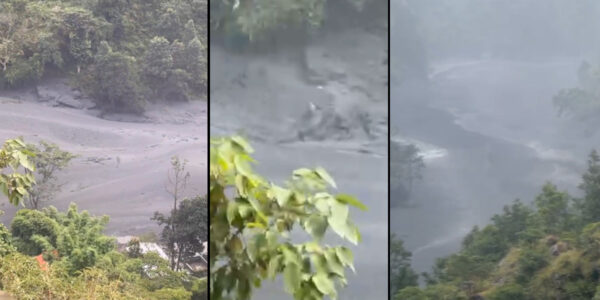
 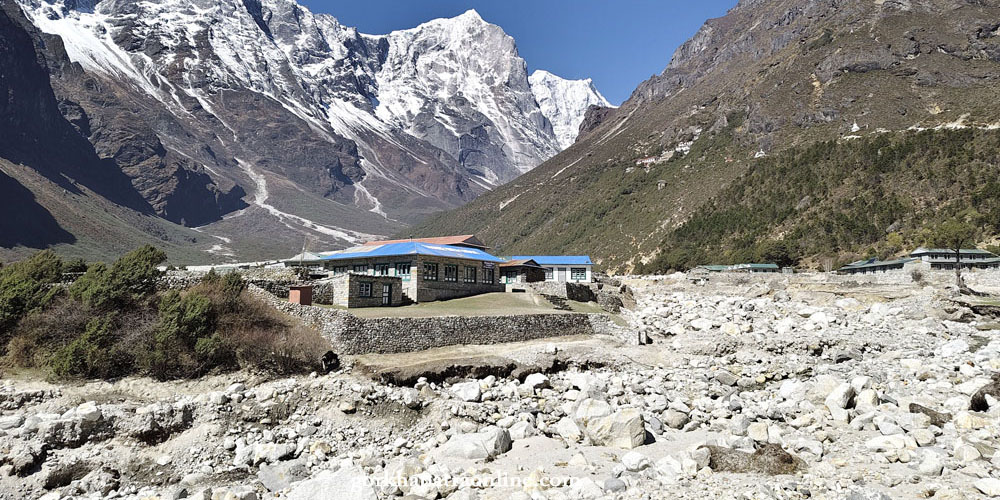 File photo of flood-ravage Thame village in the Everest region. (File Photo)
KATHMANDU: UNESCO Kathmandu, in collaboration with the Ministry of Culture, Tourism and Civil Aviation, has begun documenting the intangible cultural heritage of Thame village in Ward-5 of Khumbu Pasang Lhamu Rural Municipality in Solukhumbu district.
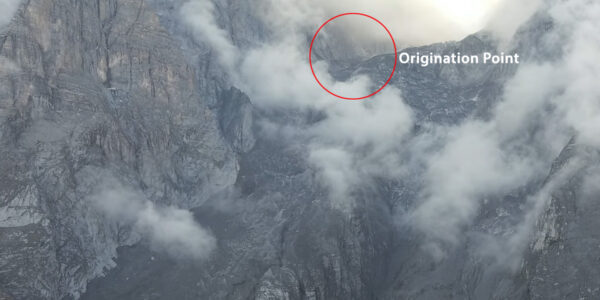
The initiative comes after a glacial lake outburst flood (GLOF) in August 2024 damaged settlements and cultural assets in the village. Following the disaster, UNESCO Kathmandu had dispatched a team of experts to study the affected area.
Presenting the findings of the community-based study at a discussion programme in Bhaktapur on Tuesday, researcher Dr Neel Kamal Chapagain said several cultural elements from Thame are currently being considered for inclusion in the inventory of intangible cultural heritage.
According to Chapagain, the list includes traditional food items such as Aalu Roti, Serkim, Tho and Rildok, as well as festivals and cultural practices such as Mani Rimdu, Dumji, Lhosar, Chechu, Chirim and traditional farewell rituals.
Dr Chapagain said the inventory could expand following further research. He stressed the need to safeguard Thame’s living cultural heritage, noting that some residents have already begun relocating from the settlement.
Speaking at the event, Dr Suresh Suraj Shrestha, joint secretary at the Ministry of Culture, Tourism and Civil Aviation, said the government has already started the process of documenting intangible cultural heritage in line with UNESCO policies.
He said a nationwide campaign had been launched across all seven provinces, which resulted in 105 applications for heritage listing last year.
So far, Yomari, a traditional Newar delicacy, has been formally listed. According to Shrestha, the process of nominating Yomari for international recognition under UNESCO guidelines has also begun.
Nepal ratified the UNESCO Convention for the Safeguarding of the Intangible Cultural Heritage, adopted by the United Nations General Assembly on October 17, 2003, in 2010.
Speaking on the occasion, Yaco du Toit, UNESCO Representative to Nepal, said the study, which was focused on the Sherpa community living in the Himalayan region, would be published after incorporating feedback from relevant stakeholders.
Likewise, Archana Shrestha, director general of the Department of Hydrology and Meteorology, said four glacial lakes have burst in Nepal so far and stressed the importance of early warning and preparedness.
Similarly, Sushma Rana, chief conservation officer of Sagarmatha National Park, said the Sherpa community of Thame was deeply committed to heritage conservation and known for their practice of avoiding unnecessary killing of animals and tolerating crop losses caused by wildlife.
To support the preservation and documentation of Nepal’s intangible cultural heritage, the ministry has prepared the Intangible Cultural Heritage (Inventorying and Management) Procedure, 2024.
(Translated from RSS)