 Himal Press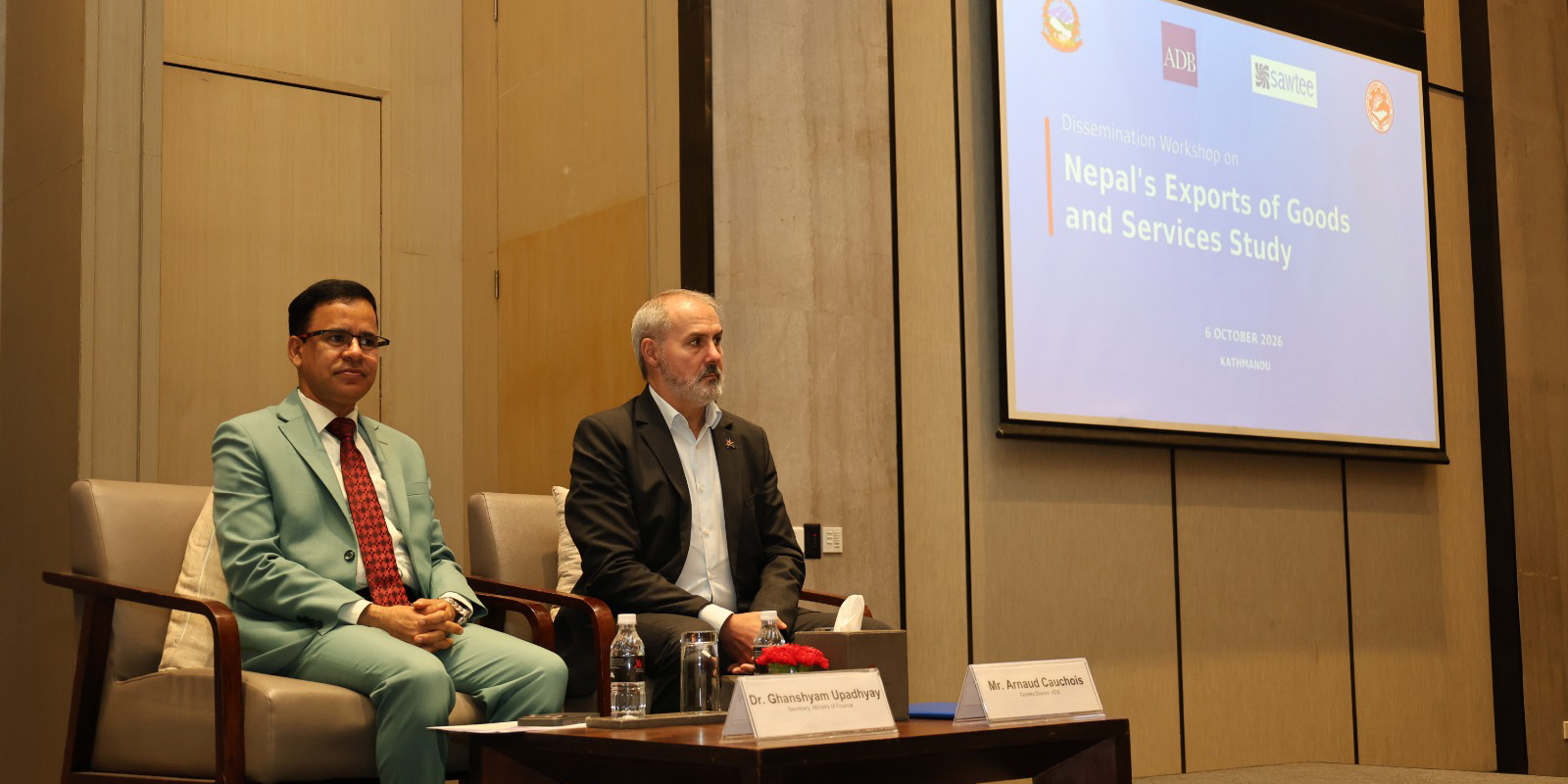
KATHMANDU: A new study has identified expensive credit, taxes on imported inputs and weak logistics as the biggest obstacles to Nepali exports.
The study, titled Nepal’s Exports of Goods and Services: Constraints and Enablers, conducted for the Asian Development Bank (ADB) by the South Asian Watch for Trade, Economics and Environment (SAWTEE), interviewed 50 firms, of which 45 completed a structured questionnaire, including 38 exporters. Almost all reported facing obstacles.
Access to finance was the main challenge for Nepali exporters. According to the report, about 84% of the firms surveyed termed it an obstacle, while 54% called it a major or severe one. “Interest rates scored worst within this category, followed by interest-rate variability and collateral requirements,” it added.
Taxes on imported inputs were another bottleneck, with 47% of respondents rating them a major or severe obstacle. Logistics, trade infrastructure, affordable land and difficulty importing inputs were also named as obstacles by the participating firms.
Firms selling outside India put logistics and trade infrastructure at the top of the list of obstacles. They also cited weak government support, limited awareness of what graduation from least developed country (LDC) status means for exports, bottlenecks in e-commerce, and climate change as an emerging risk.
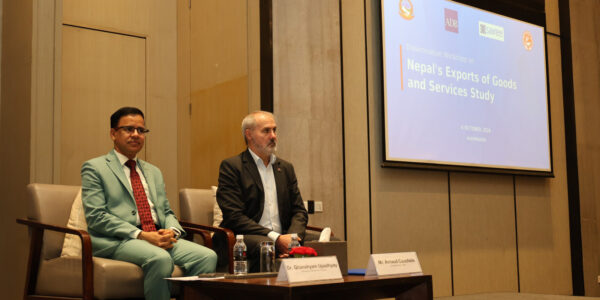
Commenting on the report, Arnaud Cauchois, ADB Country Director for Nepal, said Nepal needed faster growth to progress to an upper middle-income country. “To reach that target, the country needs to change the current growth model that relies on remittances and private consumption to one fueled by productivity gains and the creation of jobs through domestic private investments and FDI, access to quality infrastructure, adoption of new technologies and accumulation of skills, integration with regional and global value chains and exports,” he said.
Similarly, Finance Secretary Ghanshyam Upadhyay said Nepal should move from a remittance-based development model towards one focused on private investment,
export competitiveness and job creation. He said the government could use the study as an important framework for formulating future fiscal policies, promoting digitalization and integrating Nepal into global value chains.