 Himal Press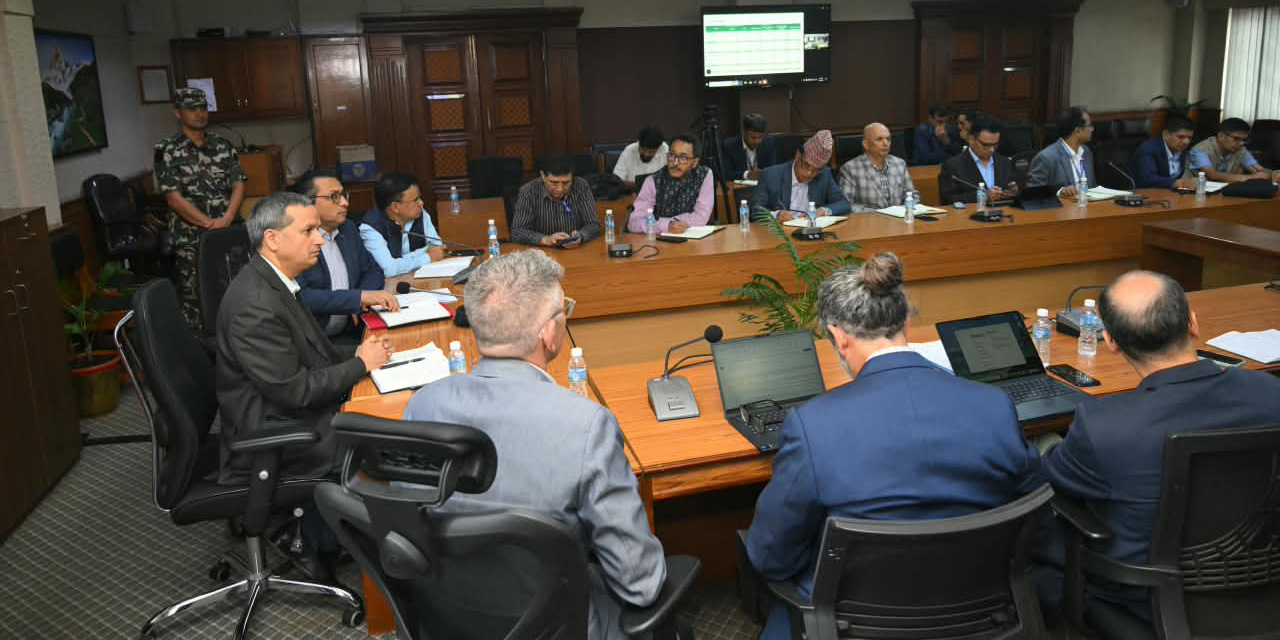
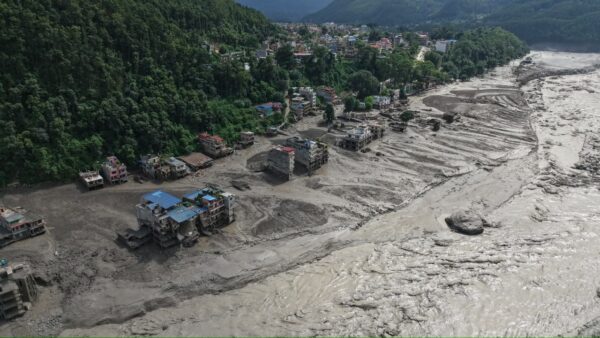
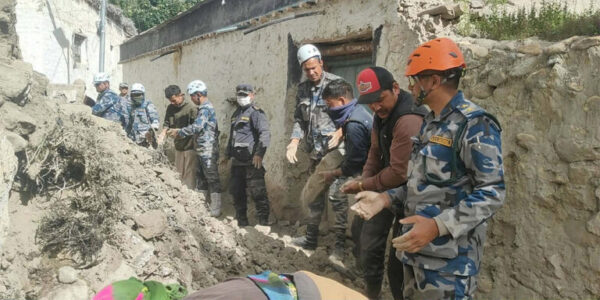
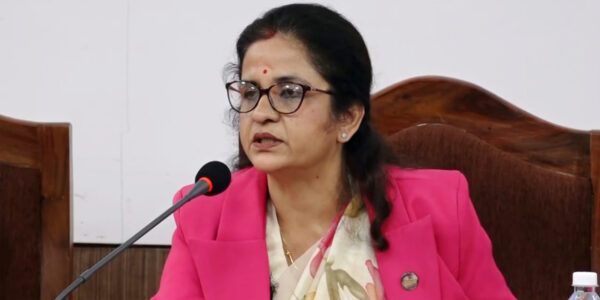
KATHMANDU: Minister for Finance Swarnim Wagle has directed officials to make sure that the Rapid Damage and Needs Assessment (RDNA) of the physical damage caused by the Rasuwa floods is realistic and evidence-based.
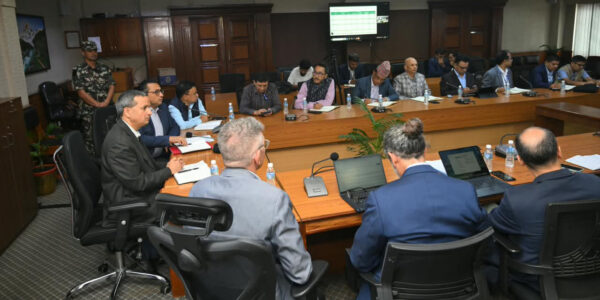
Wagle gave the direction during a discussion at the Finance Ministry on Tuesday on separate preliminary assessments being prepared by a task force formed by the National Planning Commission and the World Bank.
The task force is preparing an RDNA, while the World Bank has prepared a preliminary assessment under its Global Rapid Post-Disaster Damage Estimation (GRADE) methodology.
“An accurate assessment of the physical damage and needs caused by the floods is essential to make reconstruction and rehabilitation effective,” Wagle said, speaking at a discussion on preliminary assessments being prepared by a task force formed by the National Planning Commission and the World Bank on Wednesday. “The RDNA and GRADE assessments must be realistic and evidence-based and serve as a single national document so that the government can make sound decisions and mobilise investment.”
The National Planning Commission (NPC) is preparing a preliminary assessment framework covering the physical and human losses caused by the floods. The World Bank has already prepared its preliminary damage assessment.
The discussion was held to verify the initial findings of the two assessments and prepare a shared preliminary report.
According to NPC, RDNA is being conducted across four sectors: social, productive, infrastructure and cross-cutting.
The social sector covers damage to private buildings and structures, as well as public, education, health and cultural heritage infrastructure. Similarly, the productive sector assessment covers agriculture, fisheries, livestock, financial services and economic activities, while the infrastructure assessment covers hydropower projects and transmission lines, household renewable energy use, roads, bridges, telecommunications, environmental health, irrigation and river management. The assessment also covers cross-cutting issues like debris and hazardous waste accumulated in flood-affected areas.
The government plans to use the RDNA report to arrange immediate relief, mobilise investment resources and advance reconstruction and rehabilitation, according to the finance ministry.