
KATHMANDU: The pressing needs and challenges of millions of students in community schools have been gradually fading from public discourse.
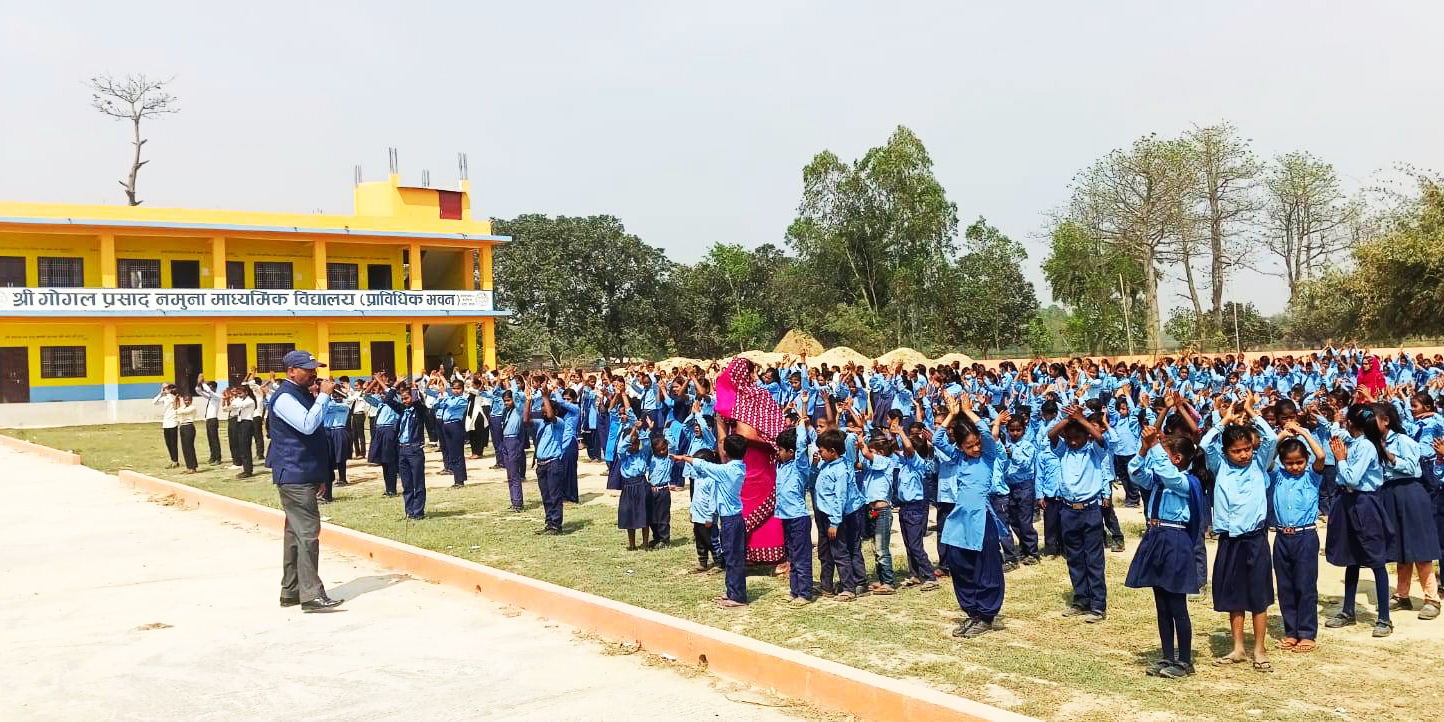
As teachers, parents and other stakeholders focus on the rights, benefits and job security of teachers, classroom-level issues, such as obstacles to learning, poor infrastructure and declining educational standards, have been pushed to the background.
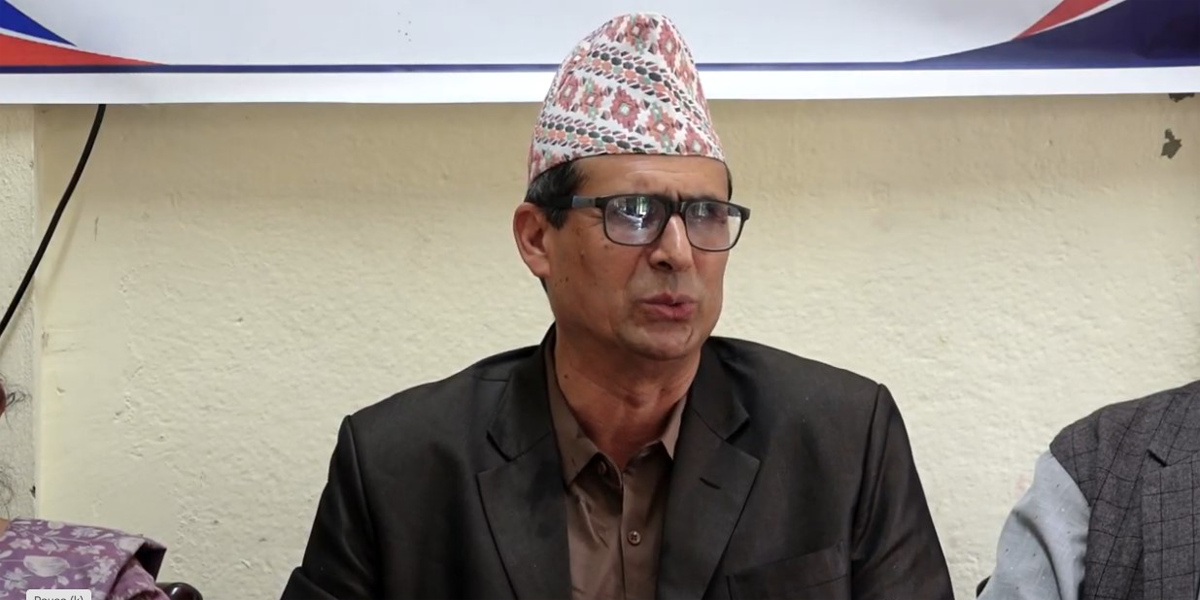
On Friday, the Confederation of Nepalese Teachers (CNT) submitted a 54-point memorandum of demands to the Ministry of Education and Sports. A copy of the memorandum has also been forwarded to the Office of the Prime Minister and Council of Ministers. Although the memorandum includes a demand to allocate 20% of the total budget to education, the majority of the demands focus on teachers’ service terms, rights, and career security.
While there is nothing wrong with advocating for the welfare of school teachers, it is reasonable to question why broader educational priorities, such as academic quality, student learning outcomes, classroom environment, regular instruction, remedial support for struggling students and declining parental trust in public schools, failed to receive due attention.
Teachers are the frontline stakeholders for students and school education. They observe daily classroom challenges firsthand and are in a position to speak out for solutions. However, many teachers appear more active on social media, complaining about state shortcomings and unmet personal grievances. While advocating for professional rights is valid, focusing exclusively on self-serving demands risks sidelining student rights and learning outcomes.
One of the serious outcomes of this disconnect is the growing erosion of parental confidence in community schools. This is forcing people into expensive private education. This has persisted for years.
Minister for Education and Sports Sasmit Pokharel conceded that student voices have been underrepresented. Speaking in Dhangadhi of Sudurpashchim Province during a provincial feedback session on the School Education Bill, Pokharel admitted that early drafting phases involved various groups but lacked sufficient dialogue with students. “We consulted many groups while drafting the bill, but we missed direct dialogue with our main stakeholders—the students,” Pokharel said. “We will bridge that gap before finalizing the bill.”
While advocating for professional rights is valid, focusing exclusively on self-serving demands can sideline student rights and learning outcomes.
Pokharel added that the ongoing feedback process will help in integrating structural solutions into policy and law. While thanking teachers for raising their concerns regarding career progression, grade adjustments and benefits, Pokharel expressed regret over the lack of focus on student needs.
“I expected teachers to speak up for students, but that was largely absent,” he said, highlighting that many schools still lack basic desks, clean toilets, adequate mid-day meals and updated curricula.
Pokhrel also called for adoption of digital learning tools in the era of AI. “A student in a local classroom can listen to a Harvard professor’s lecture today. This makes modernization of curriculum essential,” he said, highlighting plans to leverage digital portals, open platforms and AI for mother-tongue instruction.
Pokhrel added that all the demands of teachers cannot be addressed immediately. “We will go for phase-wise implementation,” he said.
The minister stated that the recent pay hike for school staff, relief-quota teachers and facilitators led to an additional financial burden of more than 4 billion rupees on the state.
“Once enacted, the School Education Act will unify service systems, resolve grade alignment, and bring temporary teachers’ benefits in line with public sector standards,” he said. “Budget increases alone cannot reform education. We need to make efficient use of existing resources.
He added that a shared accountability management committee, headmasters, teachers, communities and students is needed for genuine reform.