 Himal Press
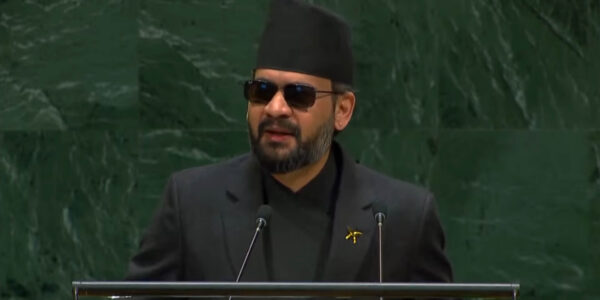
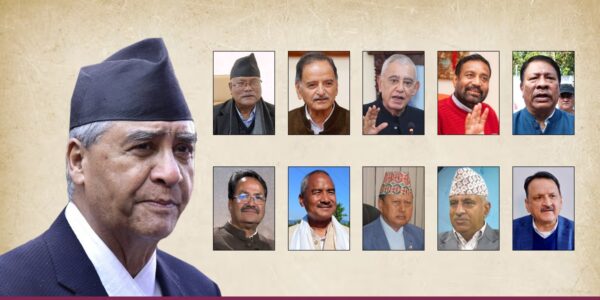
 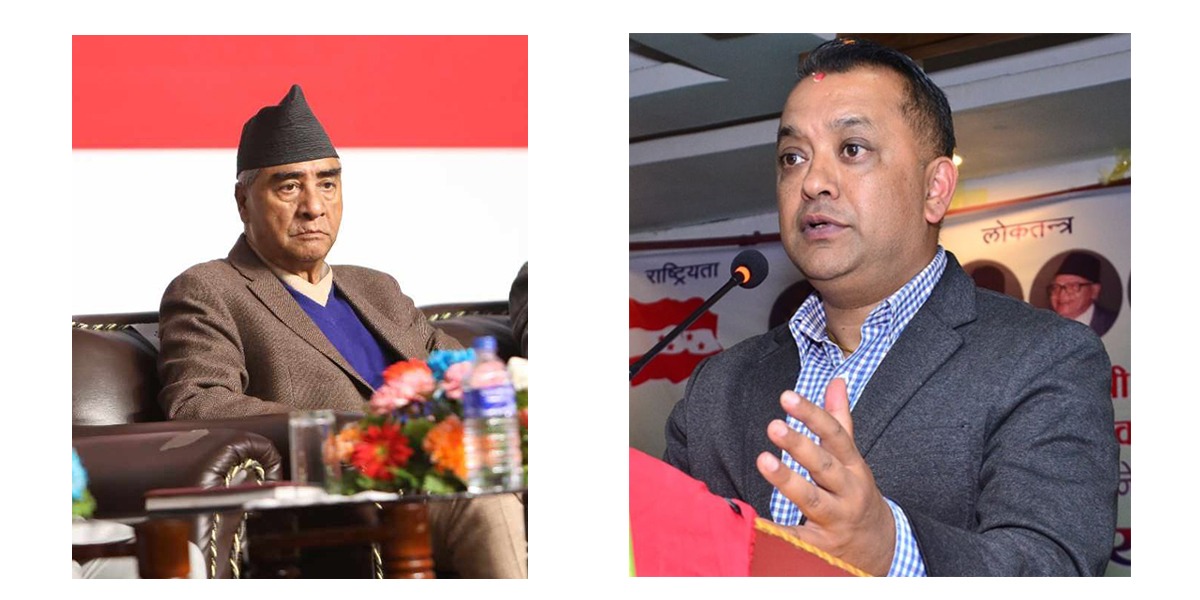 This combo photo shows (left) former NC President Sher Bahadur Deuba and incumbent President Gagan Kumar Thapa
KATHMANDU: The ongoing power struggle within the Nepali Congress (NC) entered a new phase on Thursday as former party President Sher Bahadur Deuba returned to ‘active politics’ after months of medical treatment abroad.
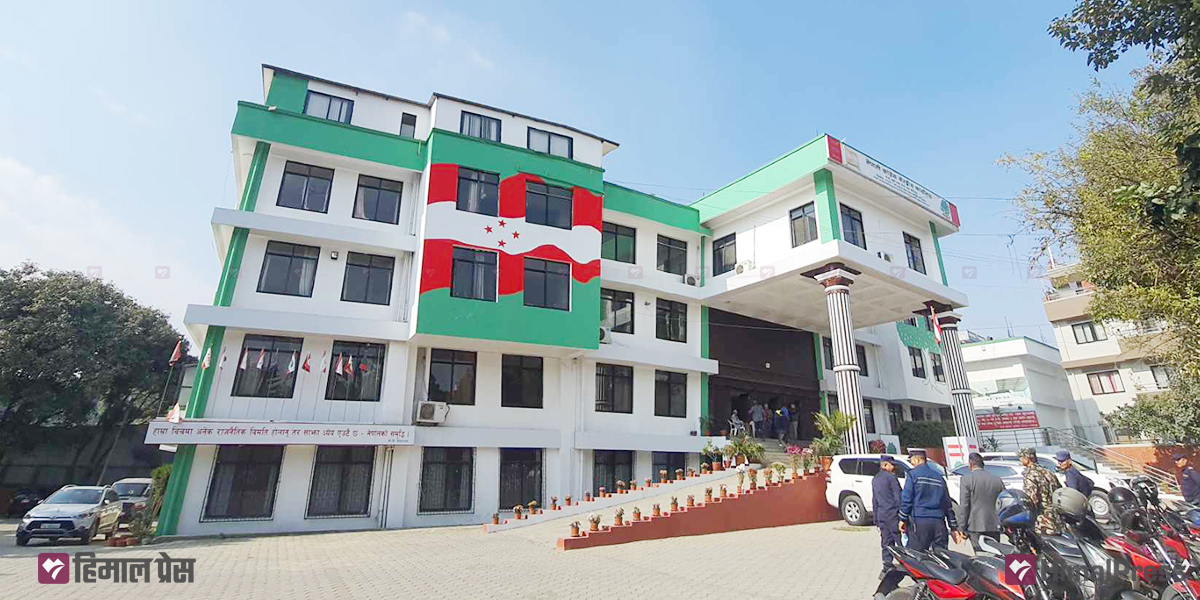
Deuba, who landed in Kathmandu on Thursday after a five-month stay in Singapore, immediately signaled he still considers himself the legitimate leader of the country’s oldest political force. Upon his return, he entered his chamber, which prominently displayed his name as the party president, in the liaison office of the party’s dissident faction in Chundevi.
The move directly challenges Gagan Kumar Thapa, who has been leading the party from its central party office in Sanepa after being elected President during a special general convention in January. This has effectively left the country’s largest democratic party functioning under parallel leadership structures.
The internal rift traces back to October 2025 when Deuba stepped back from active politics after he sustained injuries during an attack at his home by protestors in September 2025. Facing intense internal pressure from then-General Secretaries Gagan Thapa and Bishwa Prakash Sharma to step down to pave the way for leadership change as per the young people’s aspirations, Deuba named Vice President Purna Bahadur Khaka as Acting President, hinting that he was moving away from active politics.
However, the Thapa-led faction subsequently organized a special general convention and elected Thapa as the new party president.
Deuba’s loyalists believe that the special convention, leadership change and the ongoing legal battle against the process have created grounds for Deuba to become active in party politics.
The dispute has escalated from a personal power struggle into a battle over institutional legitimacy. The party’s establishment faction has been claiming that Deuba has become a former president after the special general convention elected a new leadership. The dissident faction, however, has been maintaining that the special general convention cannot displace the 14th general convention.
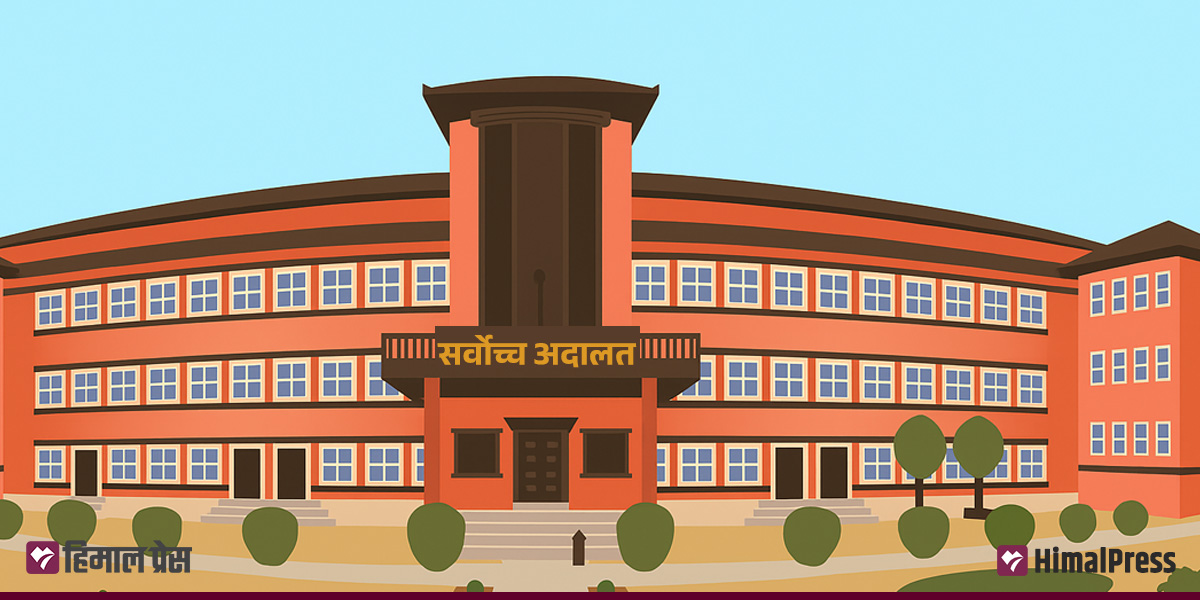
A recent Supreme Court decision has given a shot in the arm to the dissident faction. The apex court has decided to review a petition regarding the special convention’s legality by a full bench. Deuba’s camp views the court’s decision as a sign that the leadership change under the special convention is legally contestable.
Another important dimension of the dispute is the party’s upcoming 15th general convention. The establishment faction has already begun preparations for the general convention, while the dissident faction, which rejects the leadership elected by the special general convention, is insisting on proceeding with the regular general convention process.
The updating of active party membership has emerged as a particular point of contention. The dissident faction is questioning the leadership change that took place through the special general convention and is demanding that the regular general convention process be made acceptable to all sides. The establishment faction, meanwhile, appears intent on institutionalizing the political and organizational changes brought about by the special general convention and moving forward.
Questions over how to update party membership, how to proceed with the legally valid process for the general convention, how to treat decisions made by the special general convention, and who should operate the party’s official organizational structure are all closely interconnected.
Speaking at the Chundevi office on Thursday, Deuba attempted to frame his return as an effort to foster national reconciliation rather than a bid for personal gain. He urged the government to remain unbiased and address public demands for change.
However, his actions, occupying an office designated for the party president and rallying his faction, indicate that he has no intention of quietly stepping into retirement.
For his part, Thapa welcomed the former prime minister back to Nepal, expressing hope that Deuba would assume an elder statesman role to help institutionalize statutory changes within the party.
Despite calls for unity from both sides, the emergence of parallel offices, conflicting leadership claims, and pending court cases suggest the Nepali Congress faces a period of deep political polarization.