 Himal Press
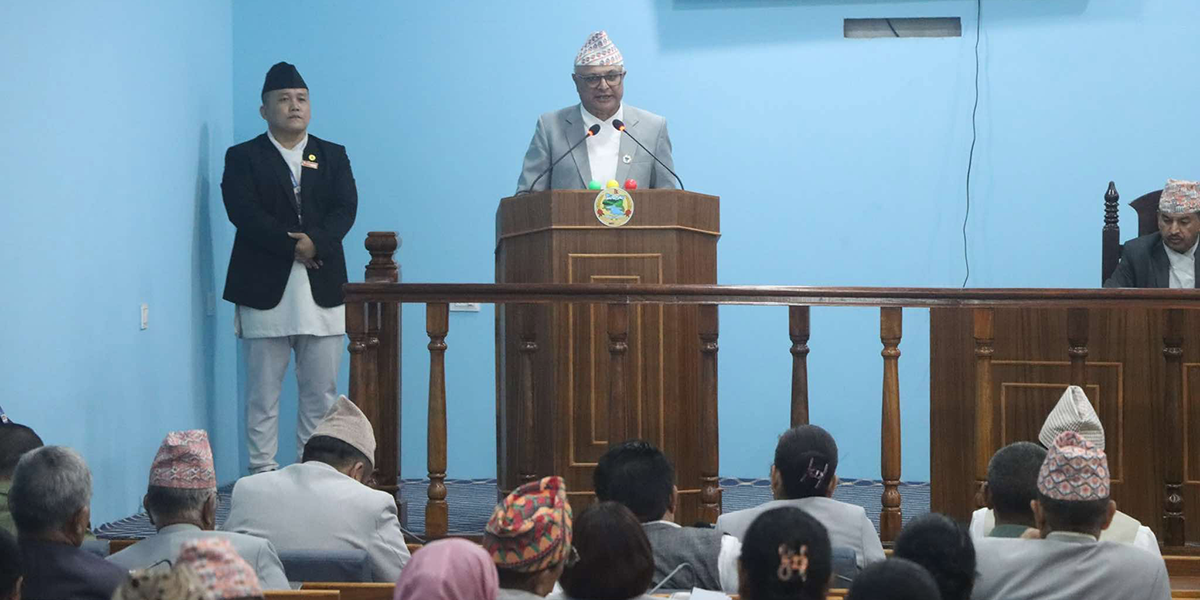
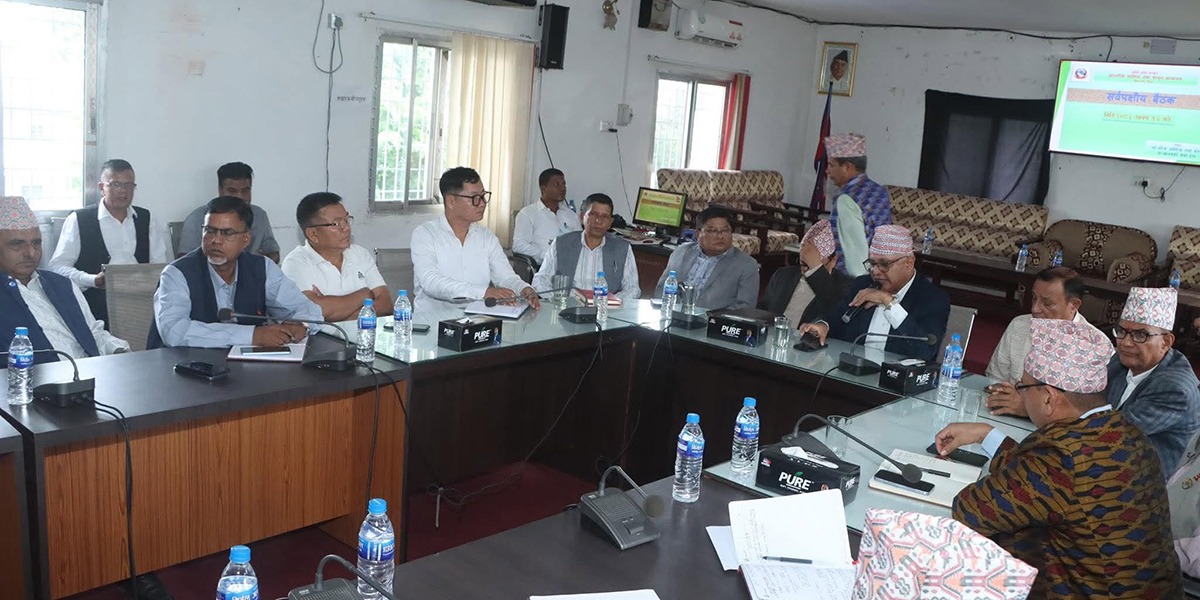
 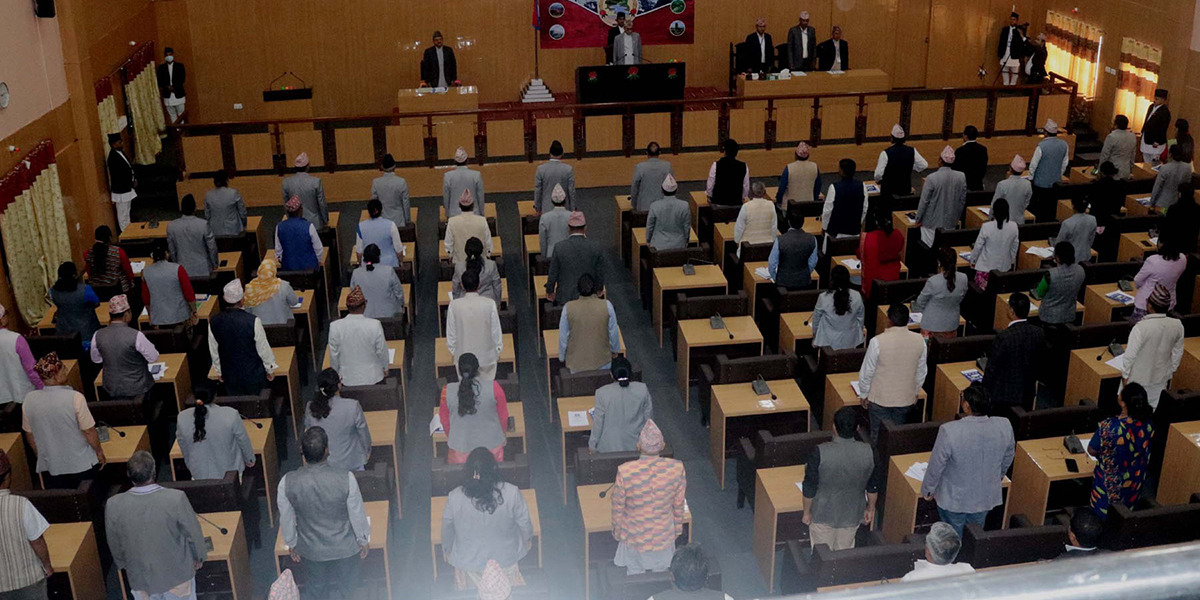 Koshi Province Assembly (File Photo)
ITAHARI: The Koshi Province Government has come under political and constitutional pressure over its budget shortly after presenting the annual spending plan for the upcoming fiscal year 2026/27.
Discontent over the budget has not been limited to the opposition. Ministers, ruling-party lawmakers, and even Chief Minister Hikmat Kumar Karki have acknowledged weaknesses in the budget formulation process. This has brought the question of whether the budget can be revised to the center of provincial politics.
Dissatisfaction has intensified within the ruling coalition, with lawmakers accusing the government of concentrating projects in select constituencies based on access and influence. They have also accused the government of removing projects recommended by ministries.
Because of the dispute, meetings of the Koshi Provincial Assembly have been repeatedly postponed. A meeting scheduled for June 25 was first postponed to June 30, and later to July 2.
The new fiscal year begins on July 17.
Meanwhile, Chief Minister Karki has publicly admitted that there are issues with the budget and said it would be implemented after making necessary improvements. He said budget arrangements would be made for required areas from the first month of the fiscal year and that discussions had already been held with the concerned ministers.
His remarks have been viewed as an indication that budget revision could be possible.
Minister for Tourism, Forest and Environment Bhim Parajuli has expressed dissatisfaction over the budget, saying that important projects recommended by his ministry were removed at the final stage. He has proposed four options for improving the budget: rewriting the budget, amending the schedules of the Appropriation Bill, introducing a supplementary budget, or making financial transfers.
However, another minister, Pradip Kumar Sunuwar, argued that the constitution and parliamentary practices do not provide a clear basis for revising a budget that has already been registered in Parliament. According to him, any decision must be made within constitutional limits.
Economists also appear divided on the issue. Former Vice Chairperson of the National Planning Commission (NPC) Dr Govinda Pokharel said budgetary programs could be restructured without changing the overall budget ceiling of ministries if political consensus is reached. “However, such a move would not be politically easy for the government,” he added.
Former Finance Secretary Dr Dilli Raj Khanal said the provincial assembly could develop corrective practices in exceptional situations. He added that allowing parliament to make necessary amendments when there is a widespread imbalance could be a positive development in the long term.
Nepali Congress (NC) lawmaker and former minister Bhupendra Rai also said the budget is not the final word and can be improved if parliament deems it necessary.
Meanwhile, a task force comprising representatives from the CPN-UML and Nepali Congress is studying projects left out of the budget, constituency-wise imbalances and issues raised by ministries. Efforts are underway to reach a common conclusion before the next meeting of the provincial assembly.