 Himal Press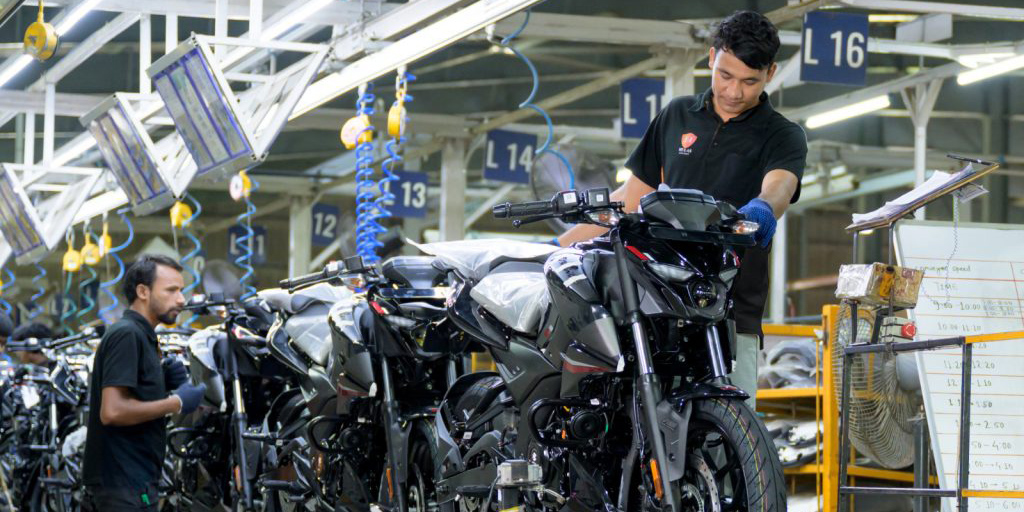
KATHMANDU: The two-wheeler assembly industry is expanding rapidly as more companies import completely knocked down (CKD) units and assemble them domestically. Strong market demand for two-wheelers and supportive government incentives are behind the growing trend of assembling two-wheelers in Nepal.
Two-wheelers remain one of the most preferred mobility options in Nepal, especially in urban centres where public transport remains unreliable. More than a dozen models from leading two-wheeler brands like Royal Enfield, Bajaj, TVS, Yamaha, Hero, Honda, and CFMoto are currently assembled locally.
Data released by the Department of Customs shows a significant jump in the import of CKD two-wheeler in the first four months of the current fiscal year. A total of 86,339 CKD units were imported for assembly during the review period, compared to 50,678 units in the same period of the previous fiscal year. In comparison, Nepal imported only 20,351 units of fully-built two-wheelers in the first four months of 2025/26.
Nepal imported 53,019 CKD units up to 125 cc, 20,601 units in the 125–200 cc category, 5,465 units in the 200–250 cc range, 7,022 units between 251–400 cc, and 232 units in the 400–500 cc category in the review quarter. During the same period of 2024/25, imports consisted of 26,642 units up to 125 cc, 14,956 units in the 125–200 cc range, 2,710 units in the 200–250 cc segment, 6,099 units in the 251–400 cc category, and 271 units in the 400–500 cc range, totalling 50,678 units.
In 2024/25, the total import of CKD units remained at 146,022: 78,434 units below 125 cc, 43,735 units in the 126–200 cc range, 9,191 units in the 200–250 cc segment, 14,141 units in the 251–400 cc category, and 521 units in the 401–500 cc engine class.
Nepali companies first started assembling two-wheelers in the early 2000s. Selected models of Chinese brands Lifan and Ying Yang were assembled in Nepal in 2005. However, the growing preference for Indian brands in the domestic market and quality concerns meant these Chinese models failed to appeal to local riders. As a result, both these ventures ceased operations in a couple of years.
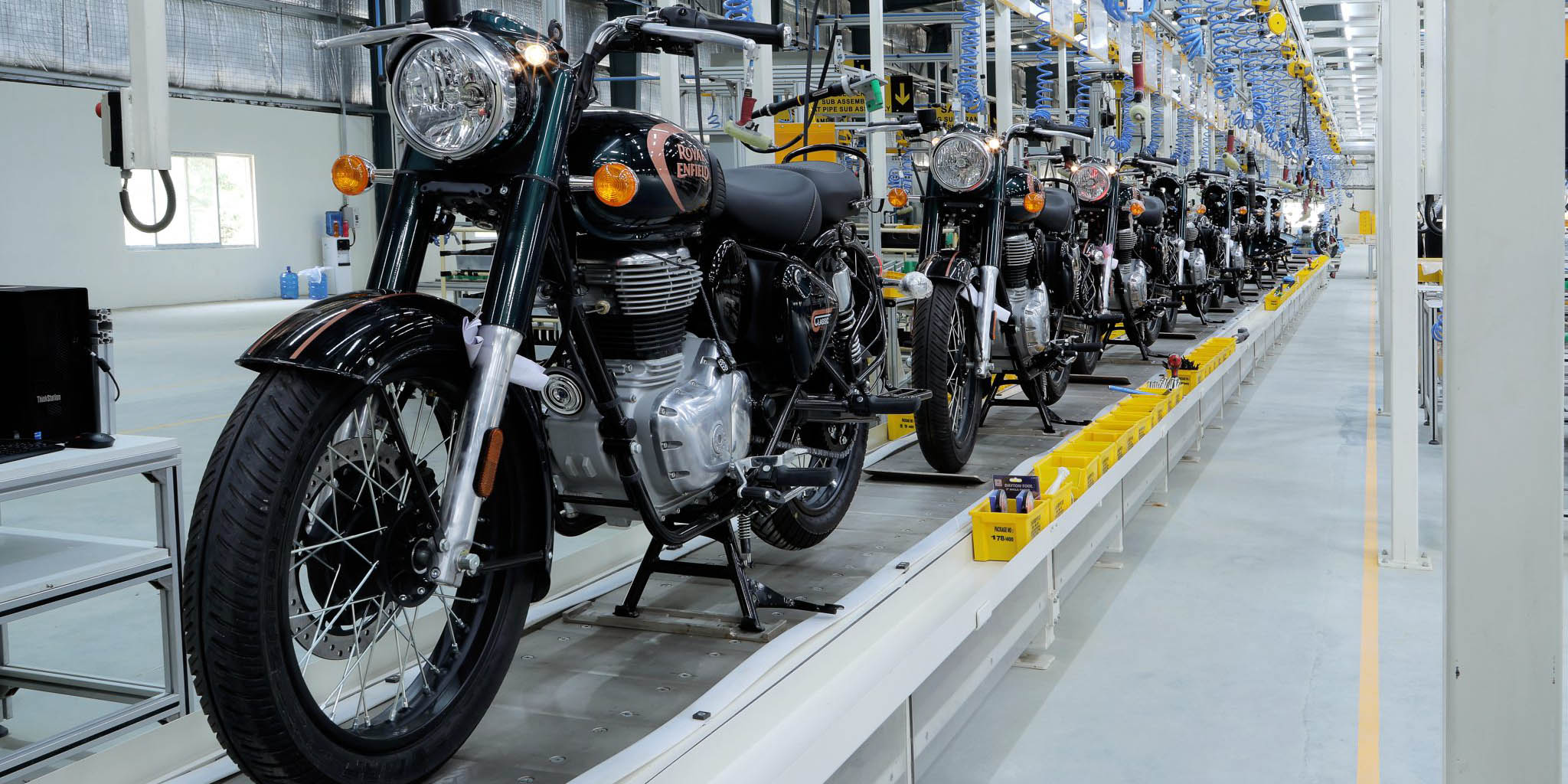
After a gap of nearly a decade, Golchha Group started assembling Bajaj two-wheelers in Nepal in 2018. Other two-wheeler brands available in the market followed suit and started investing in assembly plants.
The government currently provides excise duty waivers and other incentives for vehicle assembly. However, the Office of the Auditor General (OAG) has repeatedly raised concerns over the effectiveness of these incentives. The 62nd Auditor General’s Report has called for a review of incentives offered, stating that many assembly firms benefiting from duty concessions are not meeting the required minimum value addition in Nepal. It also said that revenue exemptions amounting to Rs 3.212 billion provided in the previous fiscal year for “unassembled vehicles” should be investigated and recovered.
The 58th Auditor General’s Report stated that locally assembled motorcycles were not significantly cheaper for consumers when compared to fully built imported units.
As per the standards of assembly plants introduced by the Department of Industry in 2022, firms are required to achieve 10% value addition in the first year and 30% within five years, employ at least 50 Nepali workers initially and 200 within five years, and use at least 10% domestic raw materials within five years. However, there is no mechanism to assess whether assembly plants are complying with these requirements.