 Himal Press
  Representative Image
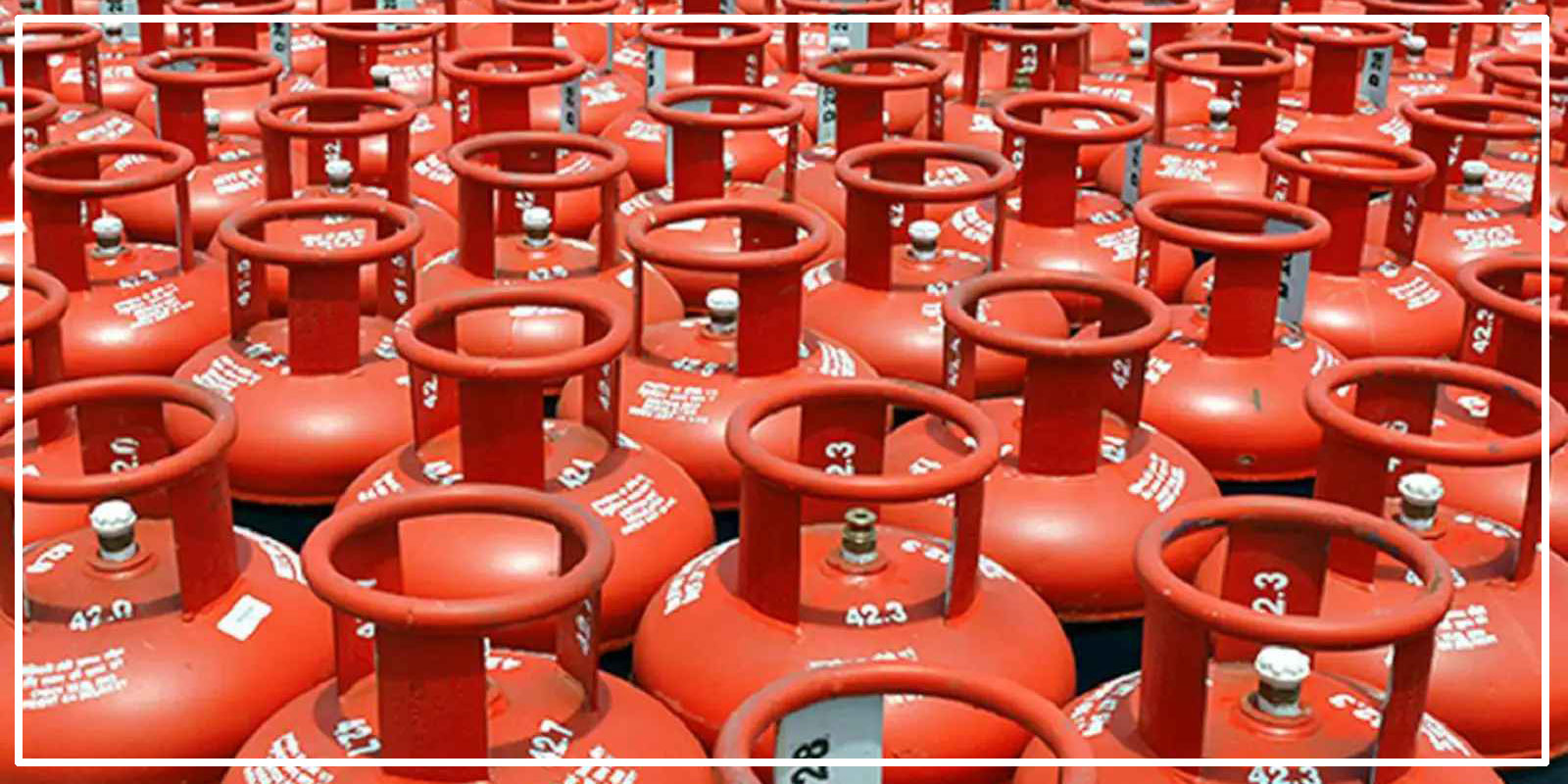
KATHMANDU: More than 87,000 liquefied petroleum gas (LPG) cylinders have been brought into Kathmandu via alternative routes over the past three days after a section of the road at Krishnabhir along the Prithvi Highway in Dhading collapsed.
According to Nepal Oil Corporation, 18 LPG bottlers have brought 87,877 cylinders into Kathmandu after refilling them at plants located in Bara, Parsa, Makwanpur, Chitwan, Nawalparasi, Dhanusha and Mahottari districts.
Average daily demand hovers around 35,000 cylinders, say bottlers.
Kathmandu Valley was already facing an LPG shortage when the collapse of the Prithvi Highway section at Krishnabhir abruptly disrupted supplies.
In mid-July, the government reversed a previous directive of circulating only half-filled cylinders and resumed the distribution of full 14.2 kg units. This triggered an immediate spike in demand from consumers who had previously avoided the half-filled cylinders. The regular supply was insufficient to meet this sudden surge in demand.
NOC Spokesperson Manoj Thakur said 24,494 cylinders entered the Kathmandu Valley on September 3, 34,134 on September 4 and 29,249 on September 5.
Following the disruption of the main highway, the NOC has been maintaining the supply of petroleum products and LPG to the Kathmandu Valley and surrounding areas through alternative routes.
Fuel tankers and LPG bullets carrying fuel and gas were stranded on the road after the Prithvi Highway was blocked at Krishnabhir on September 1 due to erosion caused by the Trishuli River.
To improve LPG availability in the market, the NOC has instructed gas companies to continue refilling and transporting cylinders even on public holidays.
According to the Department of Customs, Nepal imported a record 57,334.1 tons of LPG worth Rs 8.46 billion in Shrawan (mid-July to mid-August). This is the highest monthly volume of LPG imported by the country so far.
The volume was 29.37% higher than the 44,318.89 tons imported during the same month of the previous fiscal year.
Average monthly demand is around 45,000 to 50,000 tons, officials say.
(With inputs from RSS)