 Himal Press
 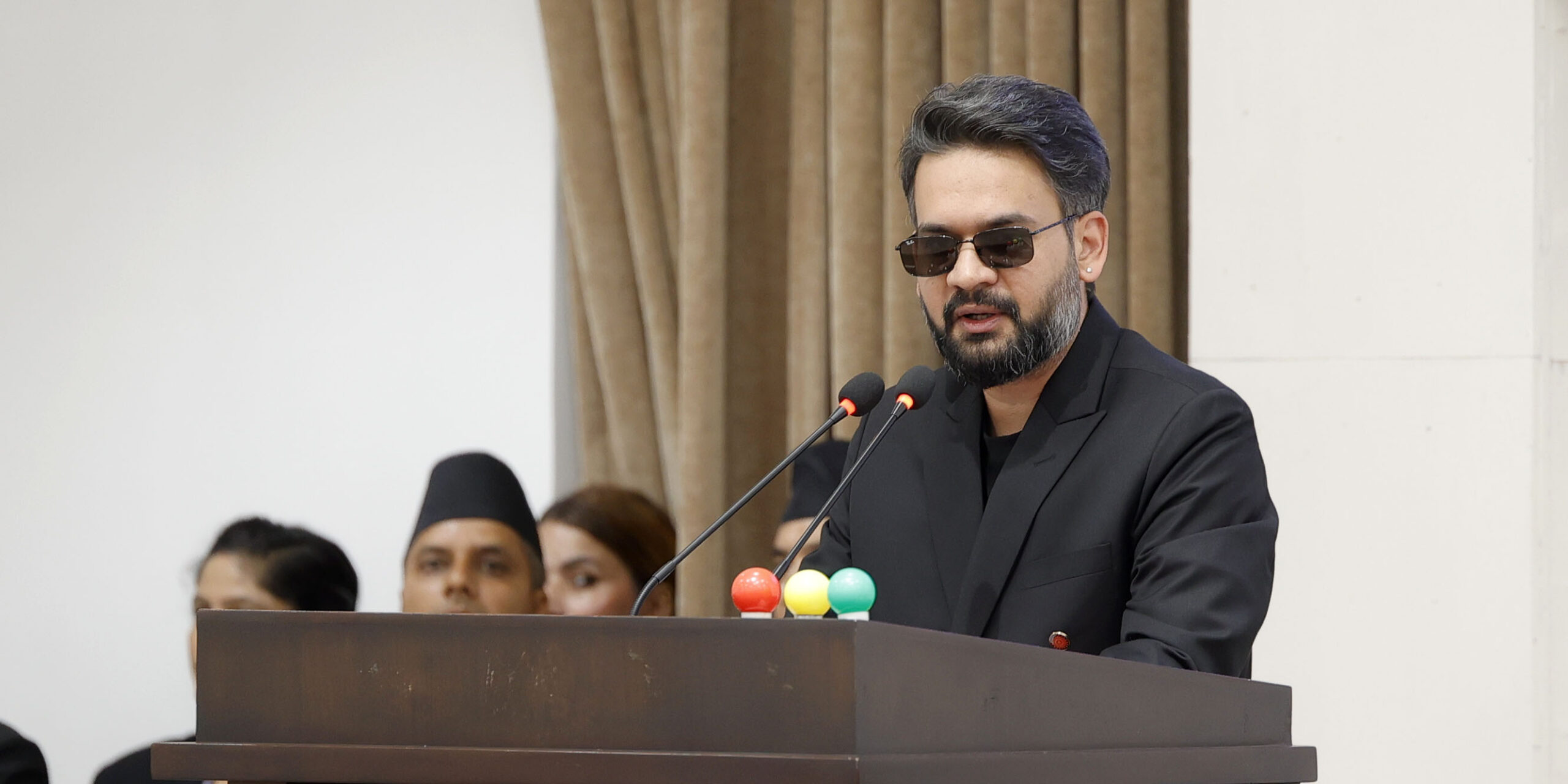 Photo: RSS
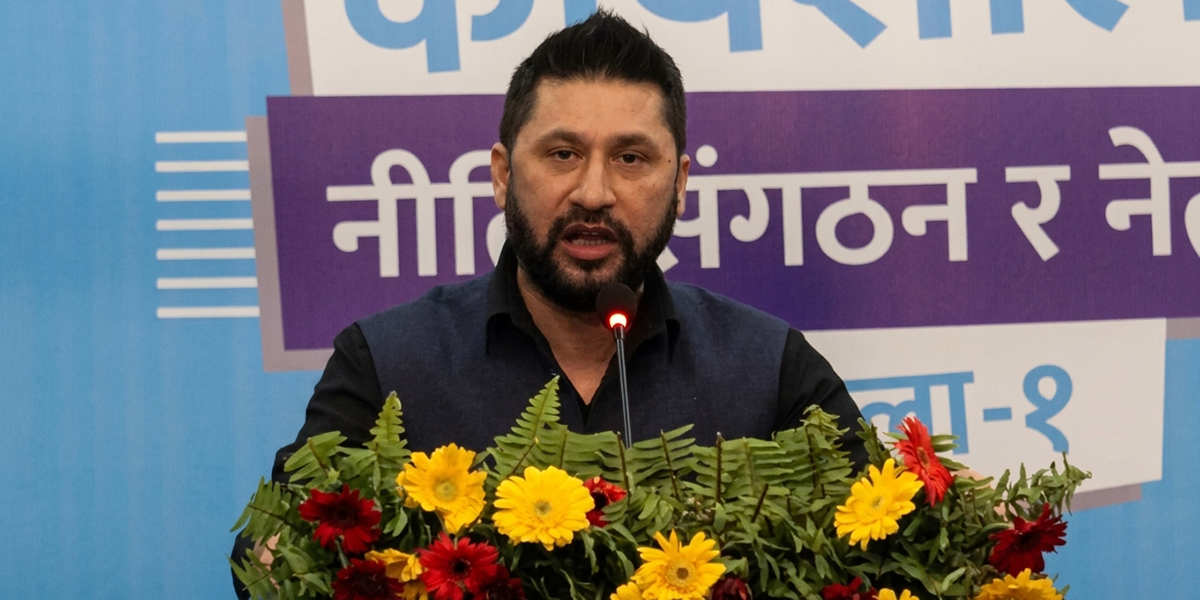
KATHMANDU: Prime Minister Balendra Shah has said that in times of crisis, the country’s leadership must give people courage, support and reassurance rather than tears.
Briefing the House of Representatives on Wednesday about the devastating flood that struck the Bhotekoshi River in Rasuwa on August 26, Shah said the government had given top priority to search, rescue, treatment and relief efforts from the outset.
The prime minister said the disaster had affected not just three districts but the entire country. “We have accepted the reality that in this hour of crisis, the country’s leadership must give courage, support and reassurance, not tears,” he said.
He described the disaster as a national tragedy.
“This pain is not limited to Rasuwa, Nuwakot and Dhading; it is a shared calamity that has struck the heart of the entire country,” Shah said. “But, right now, we do not have the luxury to rest just because our bodies are exhausted. Even as our hearts choke with emotion, there is no time to weep together.”
Stating that the government was confronting the disaster with firm resolve, Shah said we had no alternative but to fight with determination and courage.
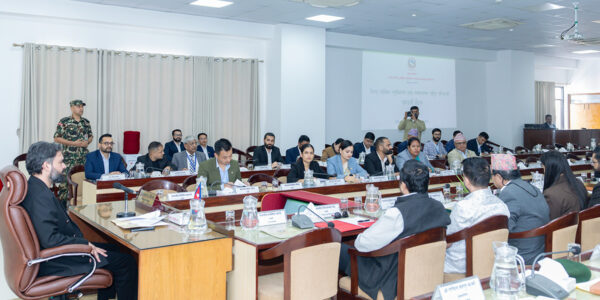
According to the prime minister, the government activated all its mechanisms immediately after the floods. A meeting of the National Disaster Risk Reduction and Management Council, held Wednesday under his chairmanship, directed the concerned agencies to take immediate measures, giving top priority to the search, rescue, and relief of affected citizens.
Shah said an emergency meeting of the Monsoon Response Command Post was held on the morning of the incident to coordinate the response, including the assessment of the situation, search and rescue, security arrangements, health services and mobilization of relief.
As the risk increased, the local administrations urged the public to avoid travelling along the Galchhi section of the Prithvi Highway, the Syafrubesi road in Rasuwa, affected roads in Nuwakot and the Muglin-Narayanghat road.
Prime Minister Shah said Nepali Army and private-sector helicopters had been mobilized in Rasuwa and Nuwakot to speed up search and rescue operations. Additional aerial and ground rescue resources were also deployed as required, he said.
According to Shah, the government released an additional Rs 10 million each to the Disaster Management Funds of Rasuwa and Nuwakot districts and Rs 5 million to the Disaster Management Fund of Dhading.
The cabinet meeting held on August 26 expressed deep sorrow over the disaster, paid tribute to those who died and extended condolences to the bereaved families. The meeting decided to provide free treatment to the injured, immediately rescue and relocate affected people to safe locations, mobilize all necessary resources including helicopters, and arrange food and accommodation for families who had lost their homes, Shah said.
Similarly, the cabinet assigned the finance ministry the responsibility of mobilizing the necessary financial resources to restore disrupted roads, drinking water, electricity and telecommunications services as soon as possible; provide financial assistance to the families of those killed as prescribed by law; and resume and reconstruct damaged public infrastructure, he said.
The prime minister said the federal government had been coordinating continuously with the Bagmati provincial government, local governments and elected representatives from the beginning.
“From the very beginning, we have been in continuous communication with the provincial government, local governments and elected representatives,” he said. “When we visited the affected areas, we also held discussions with the team led by the Chief Minister of Bagmati Province.”
According to Shah, provincial and local governments have since been carrying out their respective responsibilities under the coordination of the National Disaster Risk Reduction and Management Authority.