 Himal Press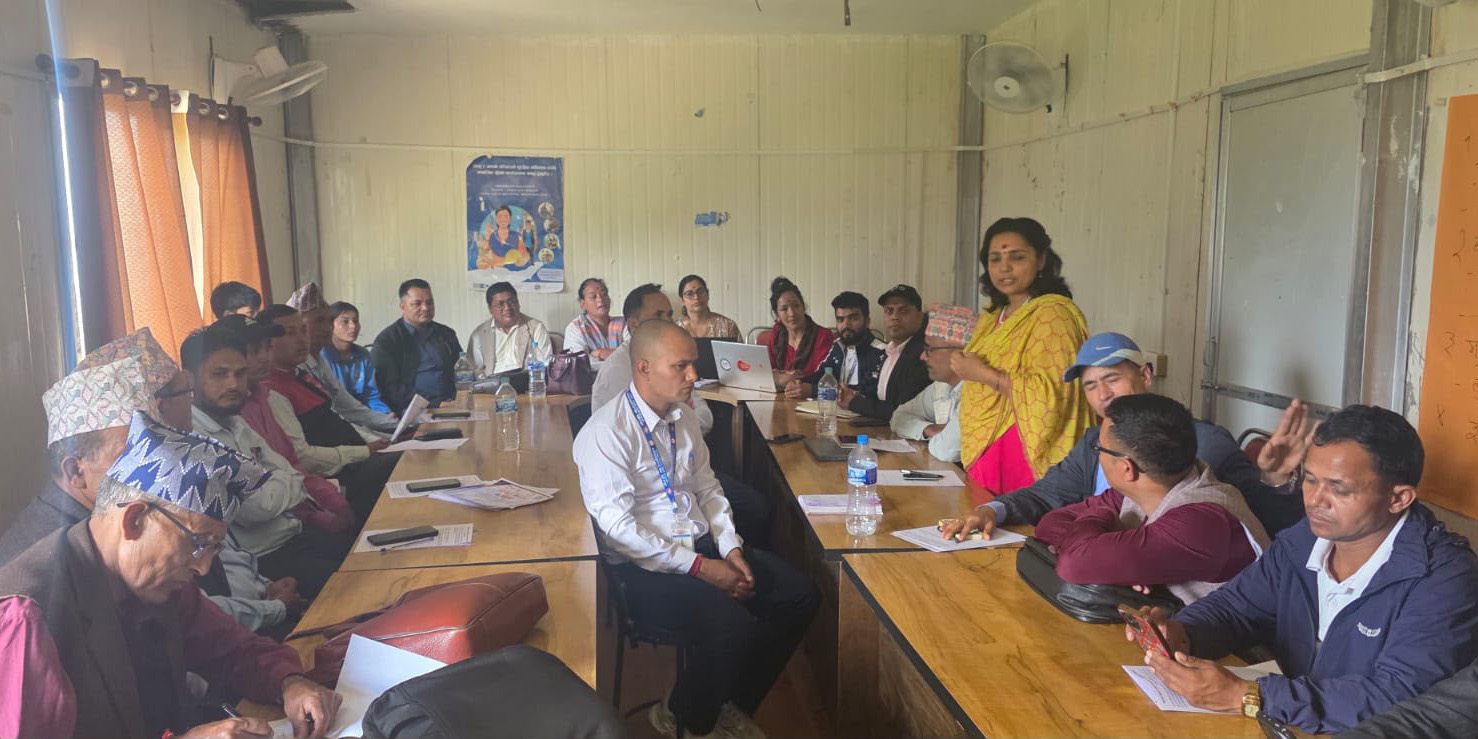
KATHMANDU: Stakeholders have urged the government to make school education employment-oriented, practical and responsive to student interest and local needs.
Participants of province-level workshops on revisions to the National Curriculum Framework, 2019, emphasized the need for comprehensive reforms in curriculum design, subject selection, evaluation systems, teacher preparation and classroom implementation.
The workshops drew participation from teachers, students, headmasters, education officers, parents, private school representatives and other key stakeholders.
The participants also recommended aligning subject matter and skills with labor market demands, with a strong focus on entrepreneurship, agriculture and technology.
In Koshi Province, participants called for reducing total credit hours to prioritize practical learning and transitioning toward continuous, performance-based evaluation. They also suggested limiting foundational subjects through Grade 8, giving students from Grade 9 onward the flexibility to choose subjects based on their interests, abilities and future career goals.
In Madhesh, discussions focused on integrating employment-generating education, entrepreneurship, technology and agriculture into the curriculum. Participants in Bagmati recommended organizing technical stream programs and strengthening teaching and assessment under the integrated curriculum for Grades 1 through 3.
Likewise, in Gandaki, participants called for restructuring of school education into a 5–4–3 framework and introducing moral education as a standalone subject. In Lumbini, participants advocated for incorporating student voices into curriculum design. They reiterated the need to tie school education directly to labor and production.
Participants in Sudurpashchim recommended integrating moral education, computer science and Early Childhood Development and Education (ECDE) directly into the curriculum structure.
Mahendra Parajuli, executive director of the Curriculum Development Centre, said feedback and suggestions will be gathered from all 77 Education Development and Coordination Units.
He added that recommendations collected through discussions with provincial ministries of social development, local government units, public and institutional schools, and regional education offices will serve as the core foundation for revising the national curriculum framework.