 Himal Press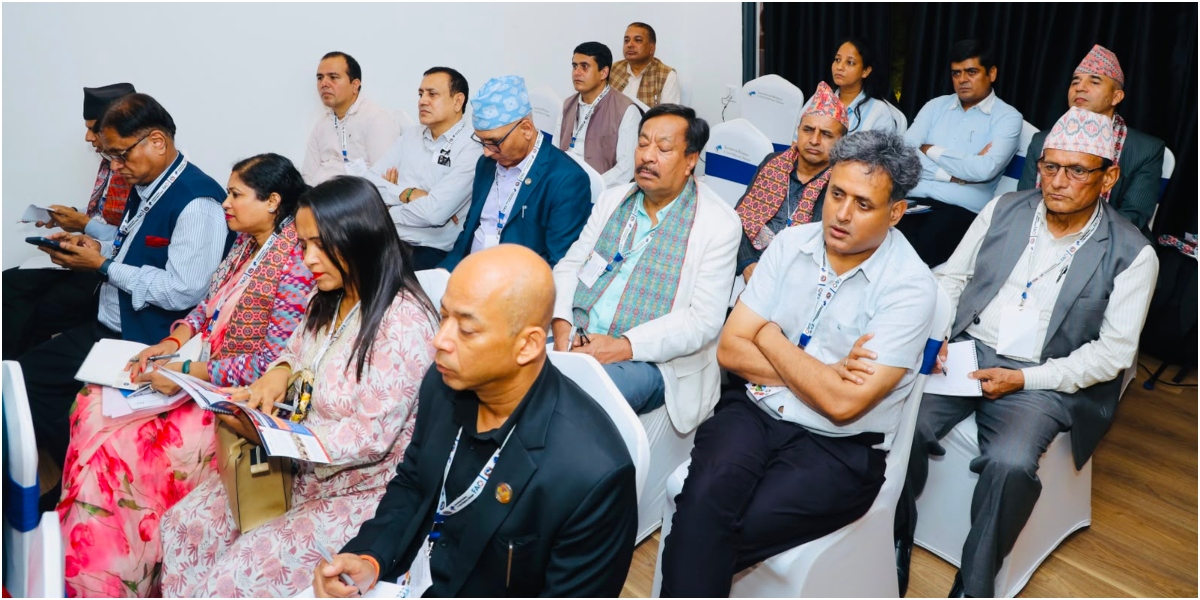
KATHMANDU: Stakeholders have emphasized the need to strengthen the legal framework related to intellectual property and geographical indication (GI) to protect the identity, origin and uniqueness of indigenous products and ensure economic benefits for producers and local communities.
They made the remarks at a national lawmakers’ policy dialogue organized in Kathmandu by the International Relations and Global Diplomacy Dialogue (IRGDD) in collaboration with the Food and Agriculture Organization of the United Nations (FAO) Nepal.
Members of the Federal Parliament, parliamentary committee leaders, senior government officials, experts, development partners, producers, businesspeople and representatives of the industrial and commercial sectors participated in the event.
Speaking on the occasion, Chairman of the Parliamentary Hearing Committee, Bodh Narayan Shrestha, said Nepal’s distinctive products need to be protected in international markets. He added that ‘Made in Nepal’ should not be limited to a name or label but should be linked to effective protection of a product’s origin, authenticity and distinctive characteristics.
Similarly, Chairman of the Public Accounts Committee Bharat Bahadur Khadka said GI was not merely a legal or technical issue but was linked to Nepal’s identity, geography, traditional knowledge and producers’ rights. “Effective implementation of the GI system can also contribute to inclusive economic development,” he added.
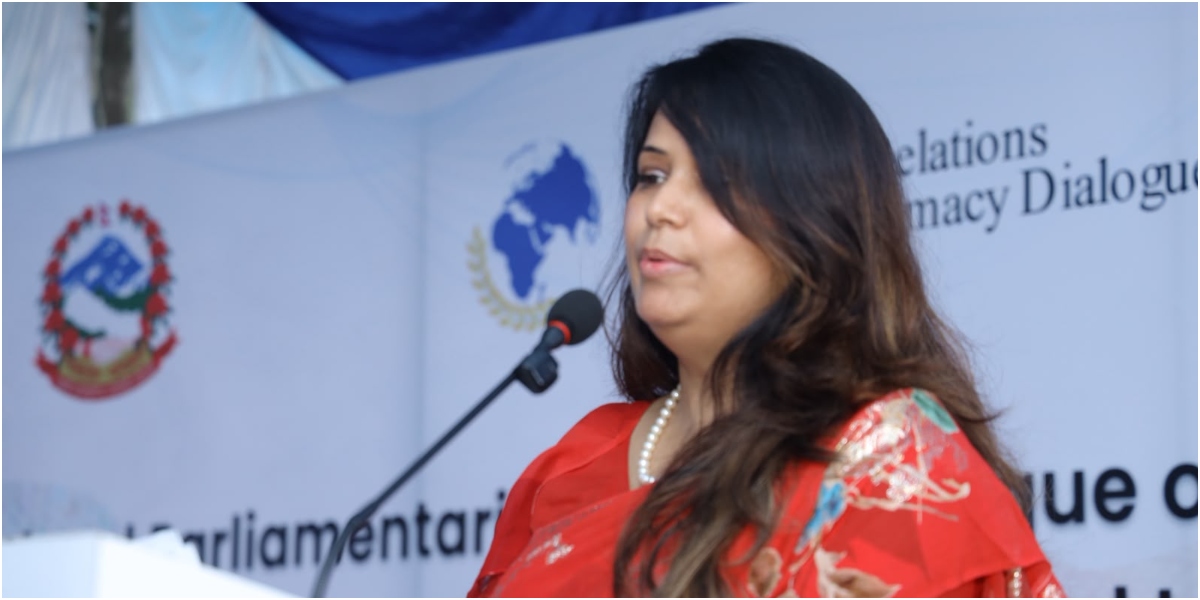
IRGDD Chairperson and former Nepali ambassador to Oman and Spain Sharmila Parajuli Dhakal said Nepal has significant potential in geographical indications. She highlighted the need to protect the identity and distinctiveness of products such as Chyangra wool, pashmina, allo, churpi, Jumla Marsi rice, large cardamom, Ilam tea, Mustang and Jumla apples, Palpali Dhaka, Juju Dhau, lokta paper, rudraksha and Himalayan medicinal herbs.
“If Nepal can legally protect its ability to produce distinctive products, and their origin, identity and uniqueness, it can increase their market value and ensure fair and sustainable economic benefits for producers and local communities,” she added.
Government officials, including Industry, Commerce and Supplies Secretary Narayan Prasad Sharma Duwadi, Agriculture, Forests and Environment Acting Secretary Maheshwar Dhakal and OPMCM Secretary Pushkar Sapkota, emphasized legal reforms, institutional coordination, entrepreneurship, job creation, export promotion and product quality improvement, along with effective implementation of the GI system.
Three technical sessions were organized during the event to hold discussions on the strategic importance of geographical indications, Nepal’s existing legal and institutional framework, and policy approaches to linking GI with economic growth and parliamentary work.
The dialogue concluded that Nepal needs more effective policies to protect the origin and identity of indigenous products, promote their distinctive qualities, empower producers and local communities, and create greater value in domestic and international markets, the IRGDD said in a statement.