 Himal Press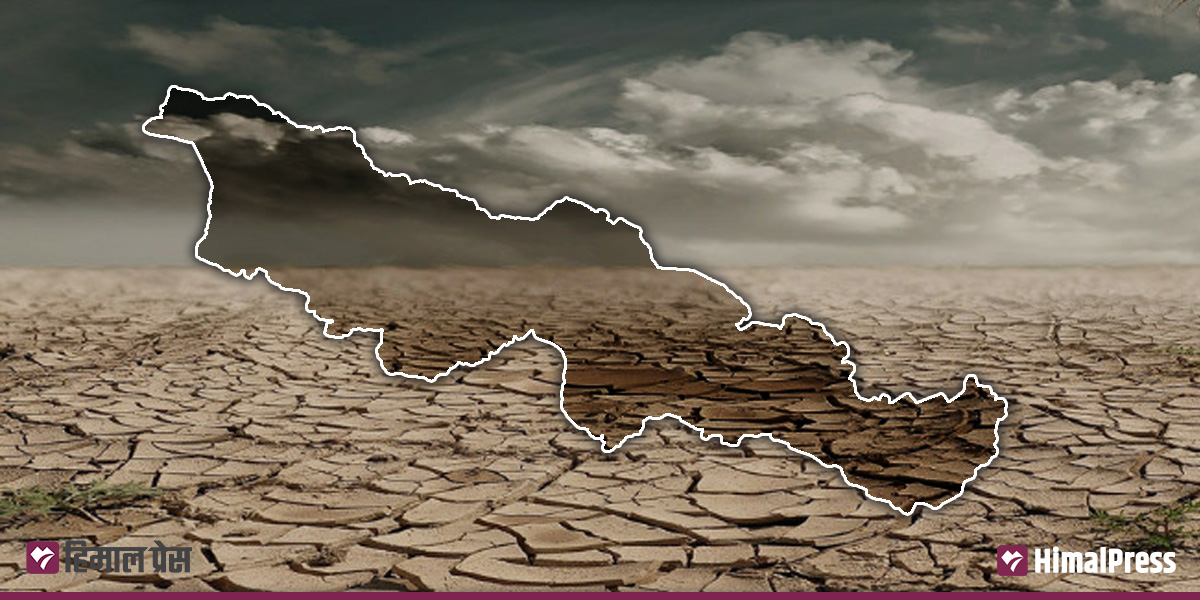
KATHMANDU: The government has declared eight districts of Madhesh Province as a crisis-hit zone.
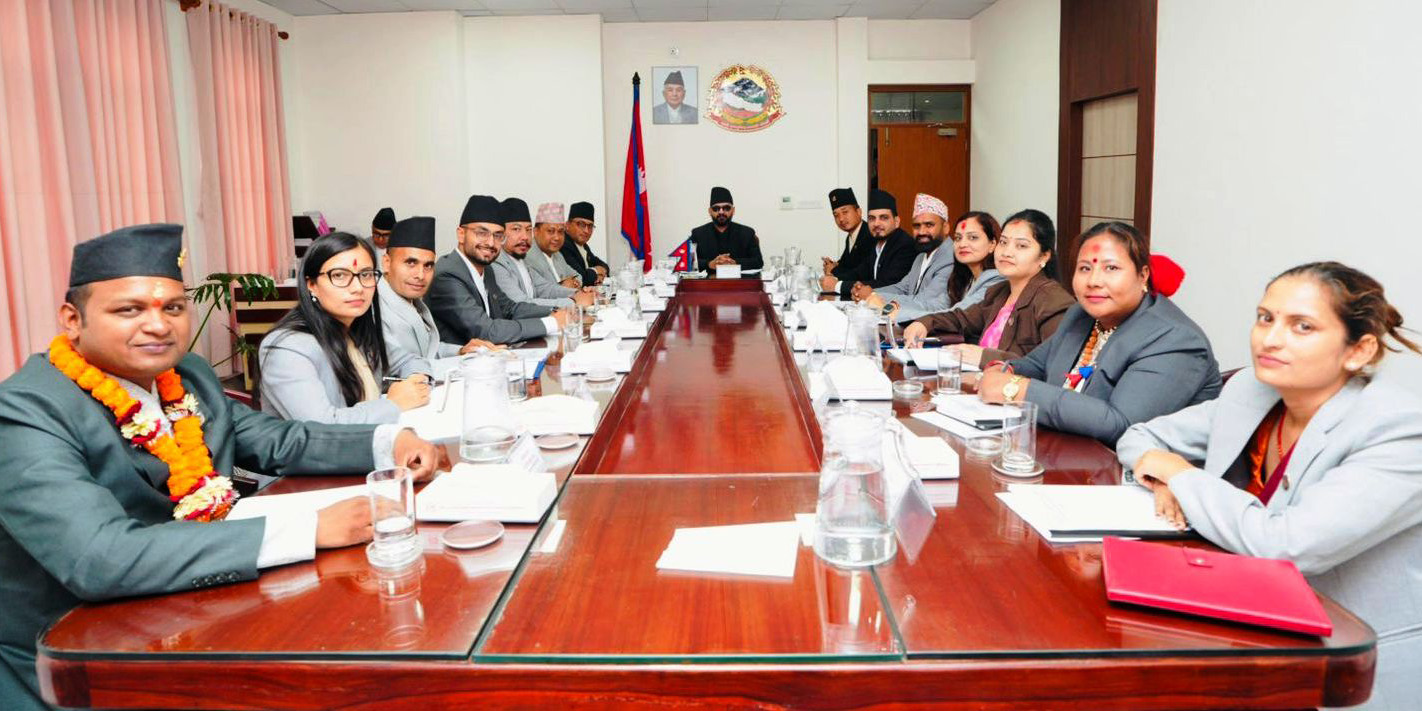
A cabinet meeting held on Wednesday took the decision as per the recommendation of the Ministry of Home Affairs. Earlier, the Madhesh Province Government had recommended that the federal government declare eight districts of the province as crisis-hit areas.
The provincial government made the recommendation as a long spell of drought has severely impacted groundwater recharge and led to excessive depletion of underground water sources in the province. This has resulted in an acute shortage of drinking water and reduced water flow in rivers and canals, affecting daily life. It has also disrupted irrigation systems in the middle of paddy transplantation season.
Once an area is officially declared a disaster crisis zone, the government can take sweeping measures to manage the emergency and protect public safety, according to the Disaster Risk Reduction and Management Act, 2017
These are the measures that the government can take:
- Enforce Relief Distribution Standards: The government will put in place minimum standards for relief distribution, which must be followed by all government bodies, private actors and NGOs. These standards will include basic provisions of food, water, shelter, health, and sanitation at temporary shelters; special provisions for families of deceased individuals and for people who lost property; focused support for vulnerable groups such as women, children, the elderly, disabled and chronically ill; sustainable livelihood support through employment and income-generation programs; regulated and transparent distribution of financial or in-kind relief through a single-window system; and coordination of all efforts under unified guidelines to avoid duplication and ensure fairness.
- Distribute essential goods: Food, clothing, medicines, construction materials, and other essentials from private stores or institutions may be controlled and distributed to affected populations.
- Protect critical infrastructure: Authorities can implement special measures to safeguard homes, factories, religious sites, schools, and other vital assets from damage or destruction.
- Deploy emergency teams: The government can form and dispatch special rescue and support teams to the crisis zone.
- Close institutions temporarily: Government or non-government offices, schools, and other institutions in the affected area can be shut down for a limited time as necessary.
- Ban activities hampering rescue efforts: Any work or action that may obstruct rescue and relief operations can be restricted.
- Mobilize personnel: Government or private sector employees can be deployed for disaster response duties.
- Use private property: Movable and immovable property—including land, buildings, and vehicles—belonging to individuals or organizations may be temporarily taken under government control for rescue and relief operations, with appropriate compensation.
- Utilize public resources: Government resources and logistics can be fully deployed and mobilized for disaster response.
- Control and use private vehicles: Private vehicles in the area may be requisitioned temporarily for relief efforts, again with compensation.
- Restrict movement: Travel and public movement in and out of the disaster-affected area can be regulated to ensure safety and efficiency of rescue efforts.
- Seek international assistance: The government can request international humanitarian and other forms of aid if it concludes that domestic resources are insufficient to deal with the disaster.
- Bypass irocurement laws: The government can immediately procure or construct essential items and facilities, such as shelters, infrastructure, or emergency supplies, without adhering to standard procurement rules.