 Himal Press
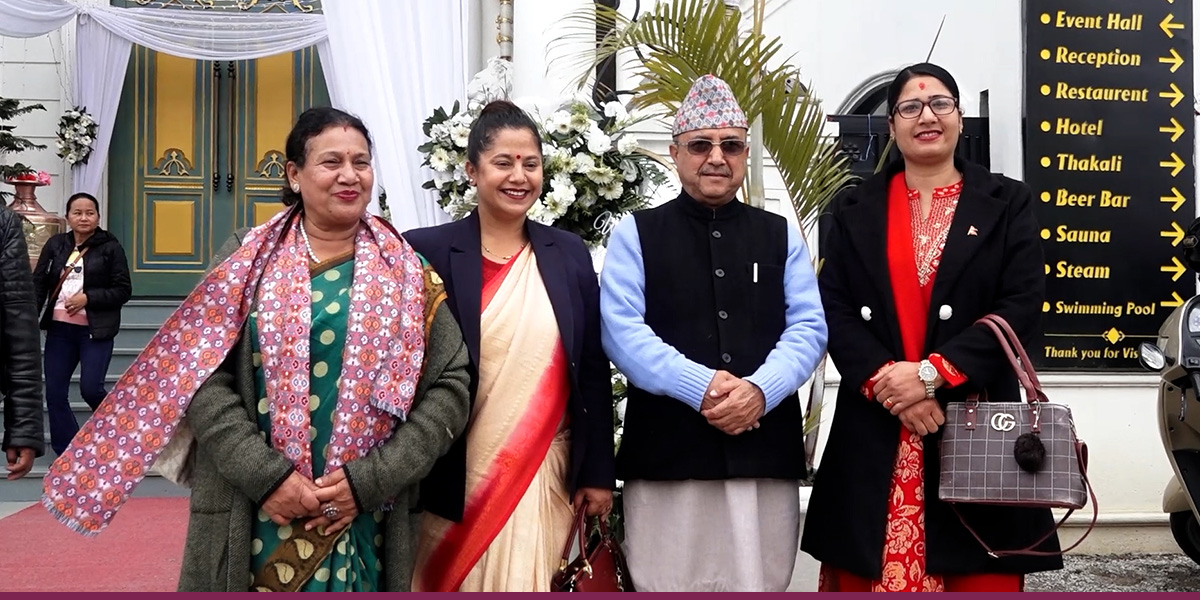
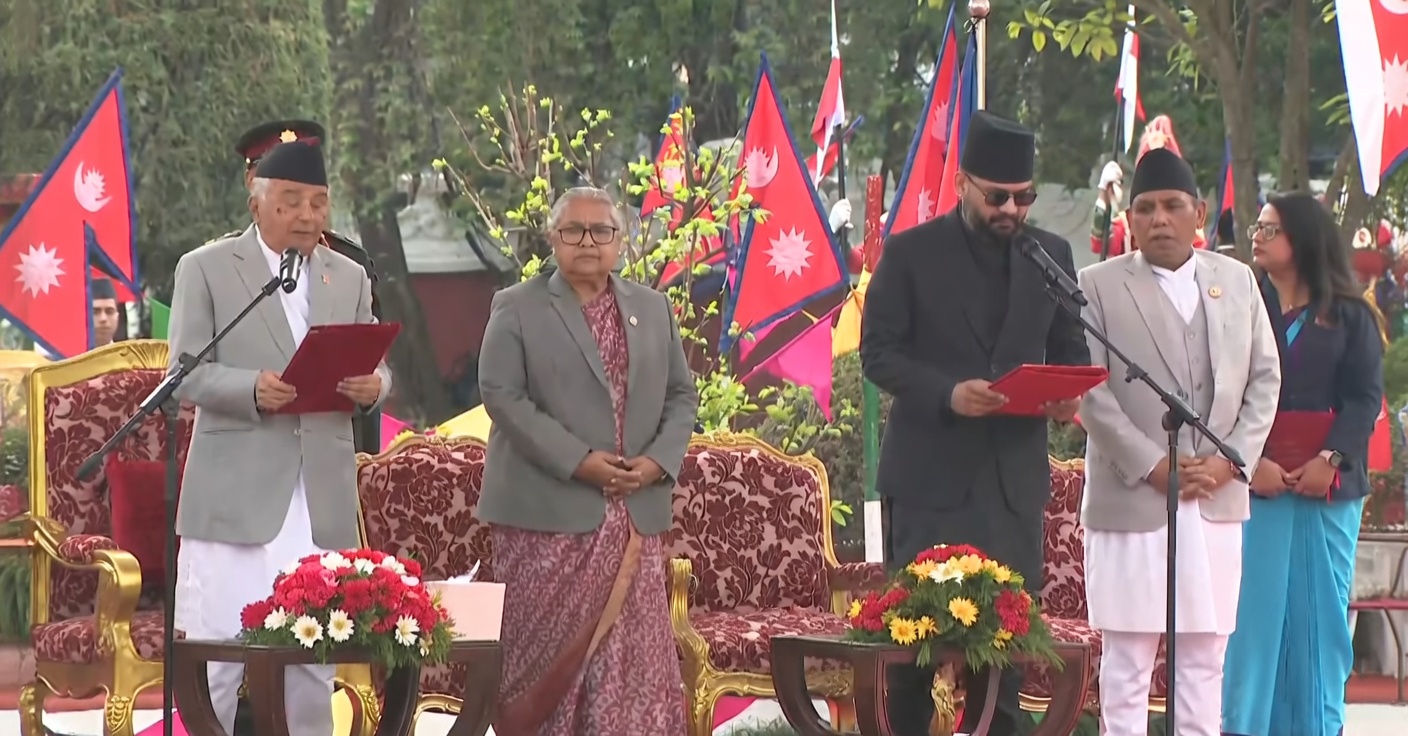
 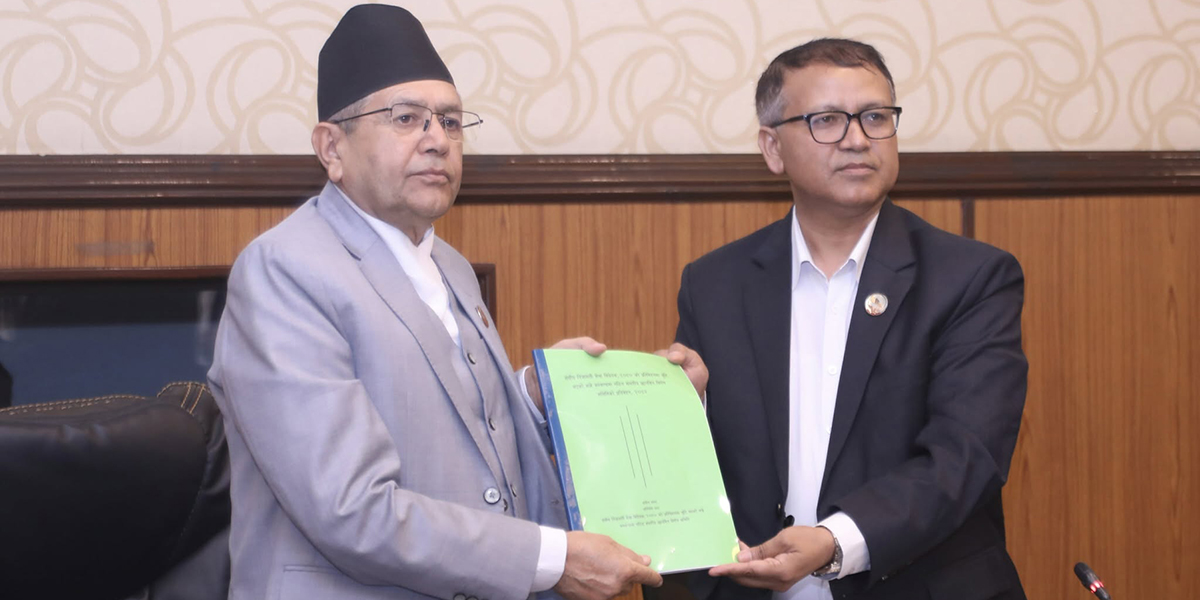 Committee Chairperson Jivan Pariyar (left) submitting report to Speaker Devraj Ghimire.
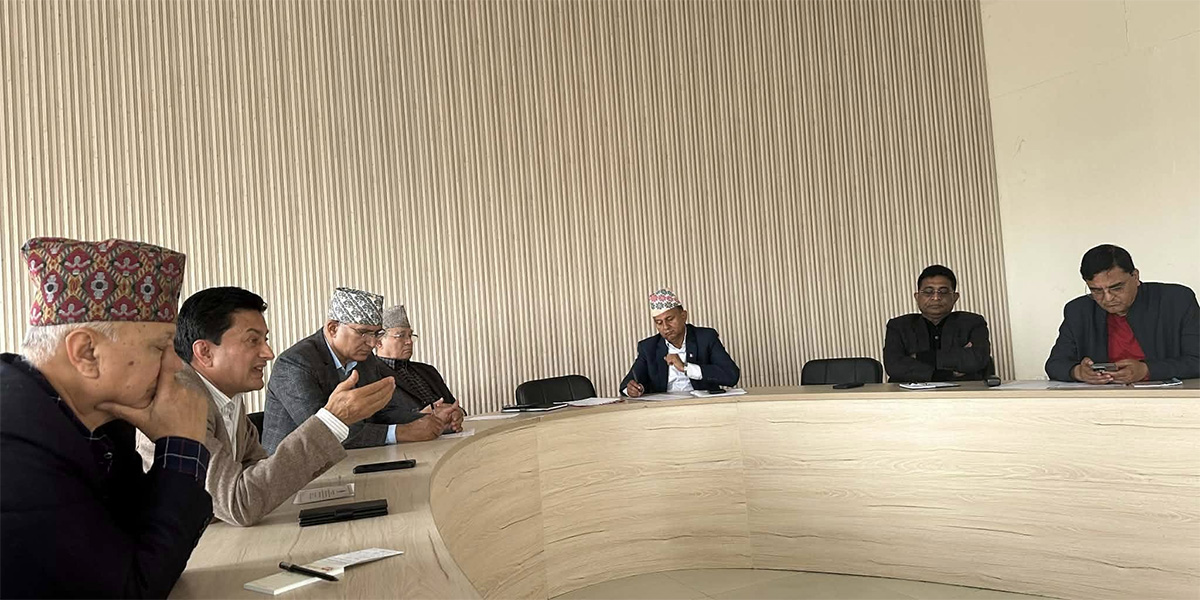
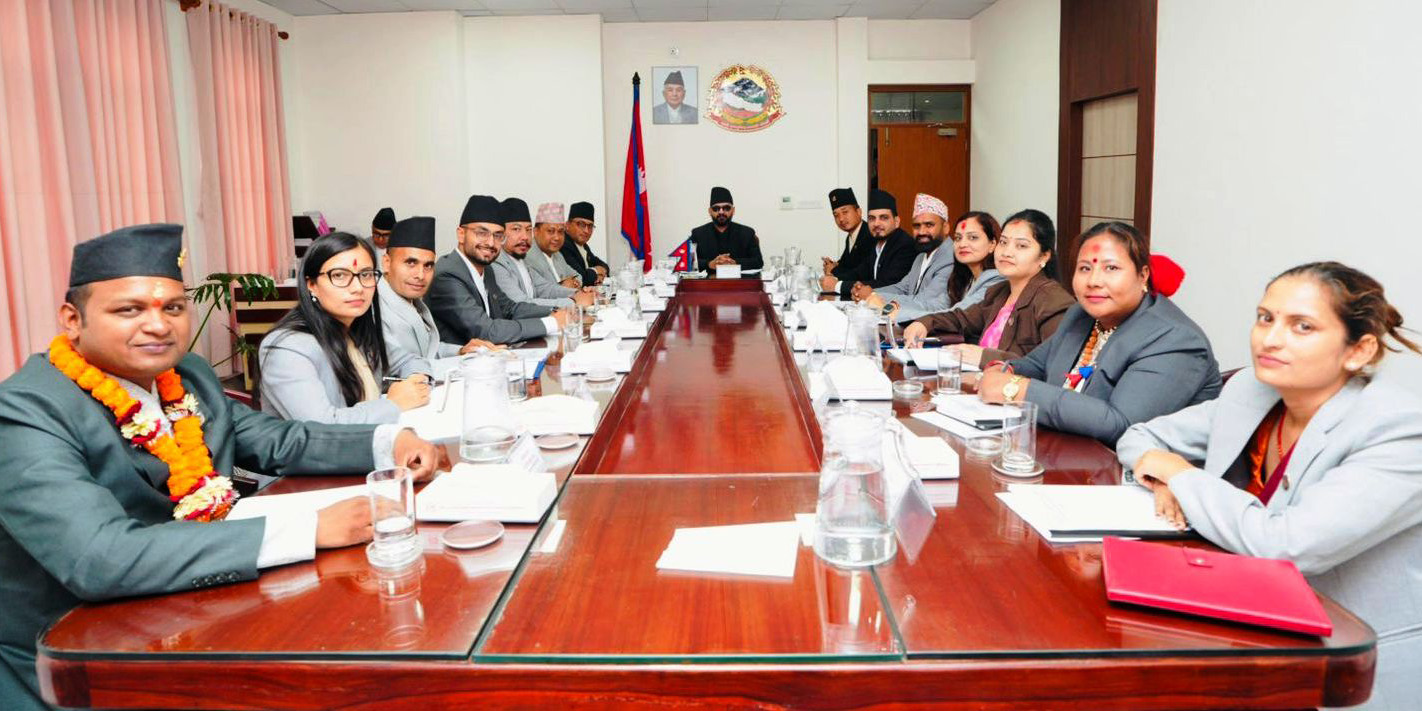
KATHMANDU: The Parliamentary Special Investigation Committee, which was formed to examine errors in the Federal Civil Service Bill endorsed by the State Governance and Good Governance Committee, has identified four major flaws in the drafting process.
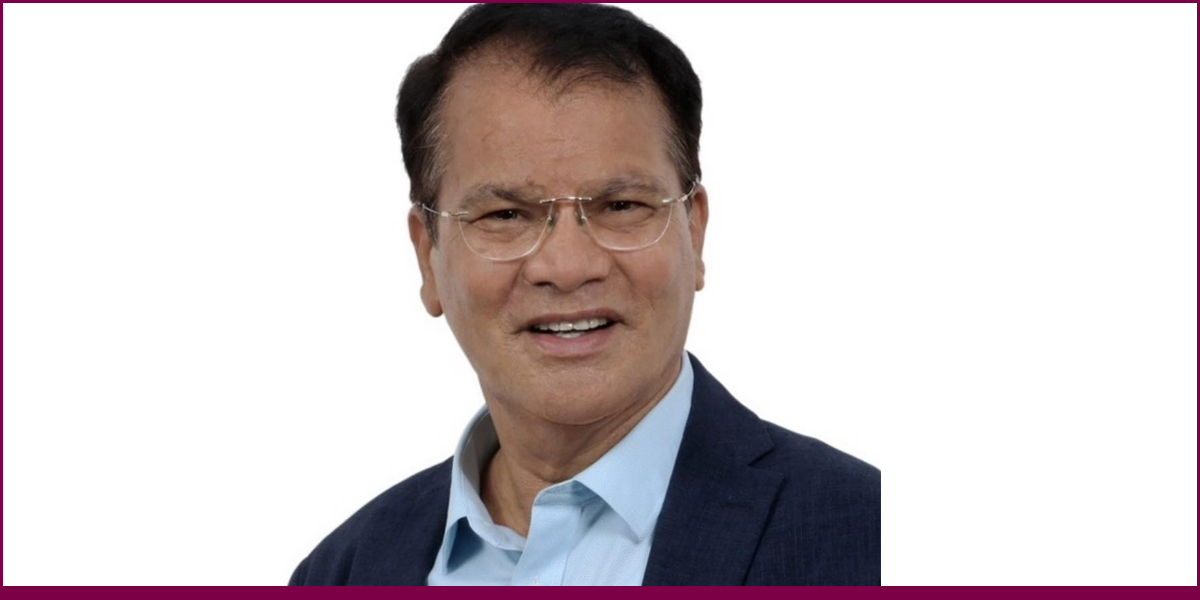
The committee, which was led by a member of the House of Representatives, Jeevan Pariyar, submitted its findings to Speaker Devraj Ghimire on Tuesday.
According to the committee, key parties responsible for aligning the Bill’s provisions failed to perform their duties, which resulted in contradictions within the text.
The committee has recommended holding political figures politically and morally accountable, and civil servants involved legally accountable. It has also been proposed that all parliamentary committee members must sign the final report to ensure transparency and consensus.
Additional recommendations include: clearly defining the duties and authority of committee secretaries in parliamentary rules, strengthening the capacity of the secretariat, and forming a high-level expert task force to review and improve legislative drafting processes.
Four major flaws identified by the committee
1. Lack of Clause-by-Clause Discussion on Key Provision: The sub-committee postponed discussion on Clause 82 and moved forward with other sections. As a result, Sub-clause 940, which is related to the “cooling-off period” policy, was inserted without aligning it with Sub-clause 950.
2. Procedural Oversight in Review of Final Draft: Although the committee had unanimously agreed on a two-year cooling-off period on May 16, members failed to review and finalize the draft before presenting it in Parliament. This led to a legal mismatch between Sub-Clauses (4) and (5).
3. Lack of Keeling Schedule Integration: The final draft lacked a Keeling Schedule, which keeps track of changes made in the Bill, resulting in confusion when the bill was presented in the House.
4. Negligence by Responsible Institutions:
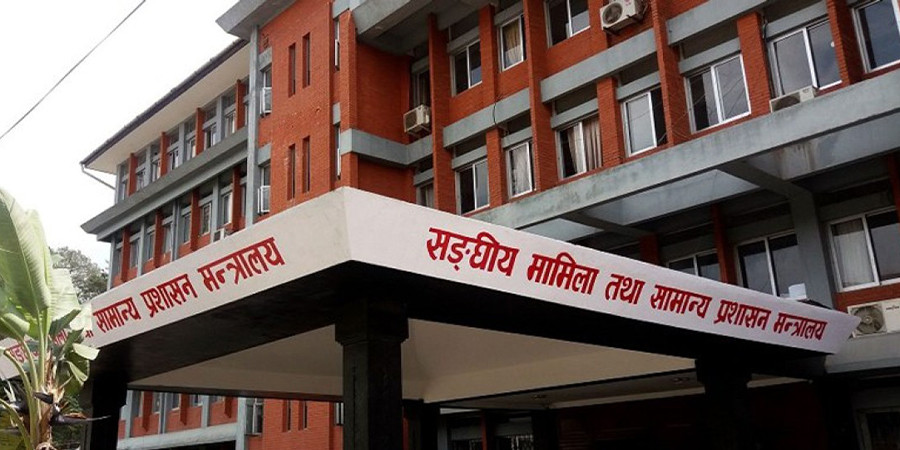
The committee itself, its secretariat, the Ministry of Federal Affairs and General Administration, the Ministry of Law, Justice and Parliamentary Affairs, and other involved agencies failed to properly harmonize the draft which directly contributed to the legal inconsistencies.