 Himal Press
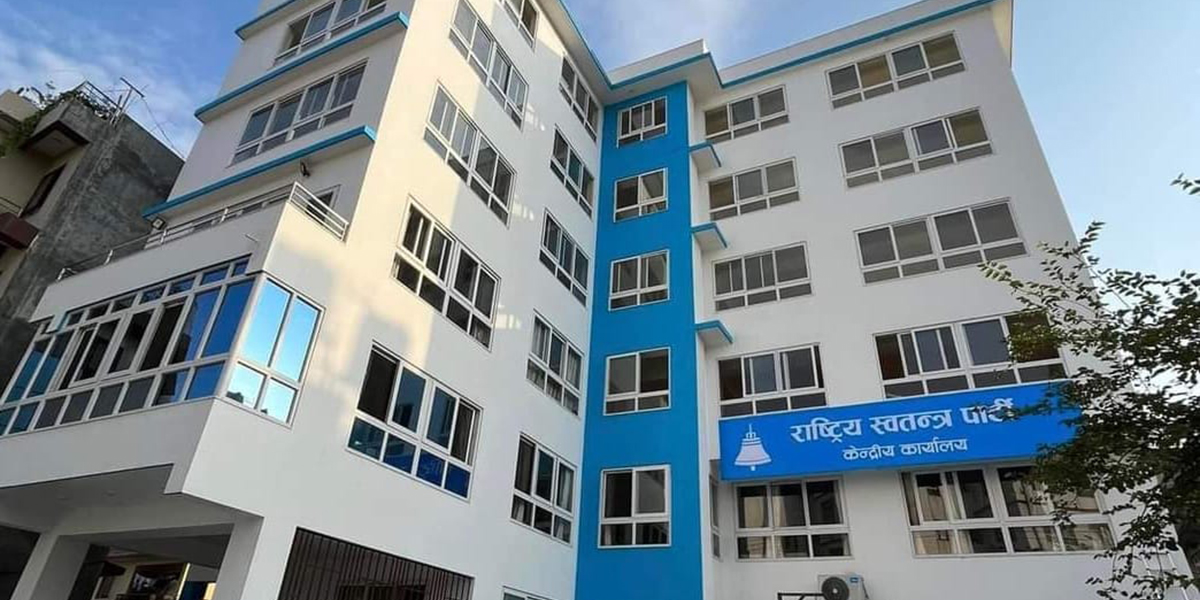
KATHMANDU: Fitch Ratings has said the clear parliamentary majority secured by the Rastriya Swatantra Party (RSP) in the House of Representatives elections is likely to reduce political uncertainty in the near term and create an opportunity for more predictable policies and economic reforms.
Issuing a statement on Wednesday, Fitch said the election result should lower the risk of a prolonged coalition negotiation after severe unrest last year, and reduce the cycle of frequent government changes seen in recent years. The agency noted that greater political stability could gradually improve investor confidence if the new government delivers tangible progress in governance and economic reform.
“The scale of the RSP’s victory reflects a voter mandate to break with the status quo politics of power sharing, with the Nepali Congress and the CPM-UML losing seats. A single-party majority, subject to final certification by the Election Commission, should imply a short political transition and could improve Nepal’s ability to sustain reform momentum and translate hydropower-led investment into broader-based growth,” Fitch said in the statement.
Fitch, however, has termed RSP’s target of average real GDP growth of about 7% over the next five years and raising per capita income above $3,000 as ambitious. It added that the new government’s policy agenda will be key in determining the extent to which growth can be lifted from its current forecast of 4.5% in the current fiscal year.
The agency said that when it affirmed Nepal’s ‘BB-’ sovereign credit rating with a stable outlook in November last year, it had indicated that sustained strong growth, improved governance standards and regulations supportive of private and foreign investment could strengthen the country’s credit profile. “However, implementation capacity could be a risk down the road. Nepal’s weak government effectiveness and regulatory quality scores compared with its peers could constrain execution, for instance, if reform sequencing is unclear or governance outcomes lag behind campaign expectations,” it added.