
 Himal Press
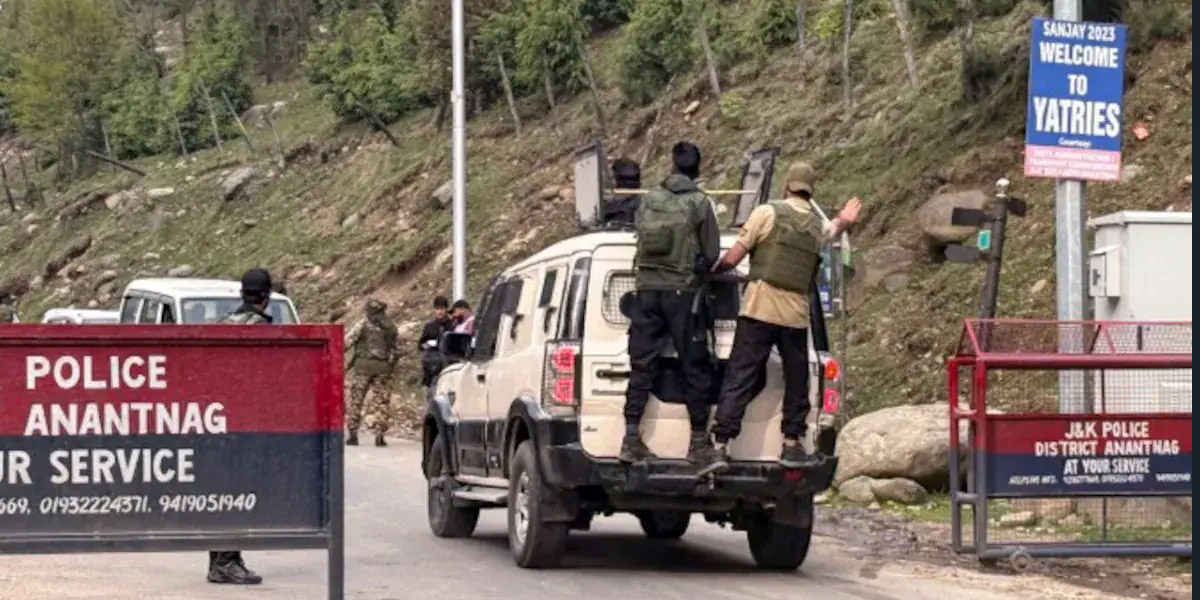
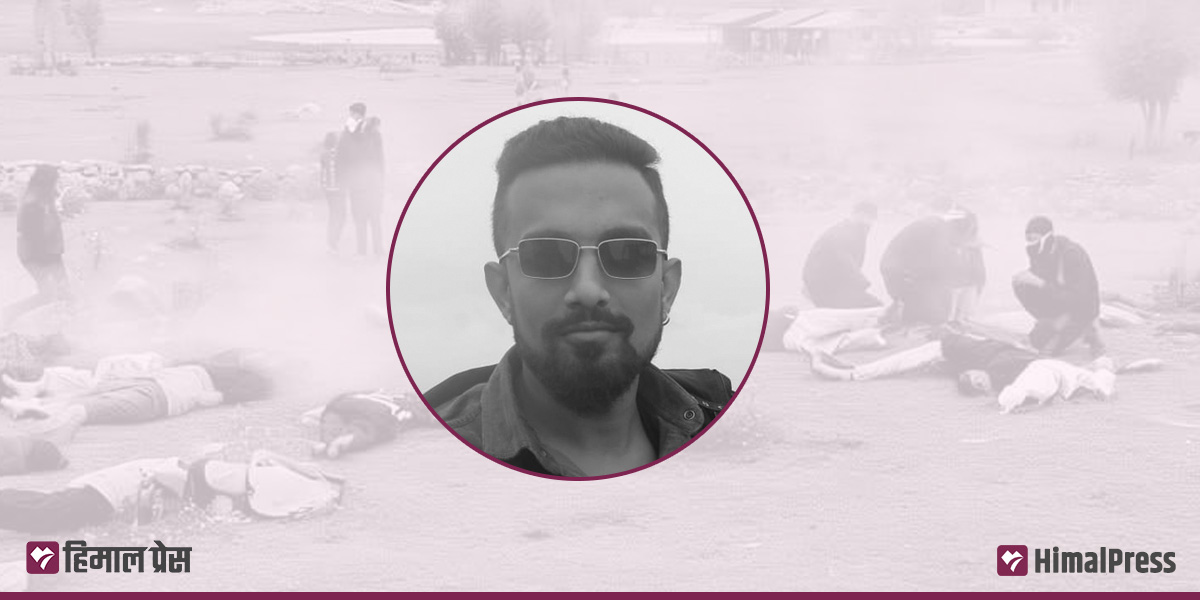
Pakistan-sponsored terrorist attacks are not new to India. Recently, a terrorist attack in Kashmir’s Pahalgam claimed 26 lives, including a Nepali youth, Sudip Neupane. Six months have passed since India responded with Operation Sindoor. Indian Army Chief General Upendra Dwivedi recently stated that while firing has been temporarily halted, the operation will continue until its objectives are achieved, and preparations for a possible “Operation Sindoor 2.0” are also underway. Such statements, while not unusual amid ongoing cross-border tensions, underscore India’s firm stance against terrorism and the persistence of these threats along the Pakistan-Afghanistan border.
During this year’s Tihar festival, I read “Operation Sindoor: The Untold Story of India’s Deep Invasion into Pakistan” by Lt Gen. Kanwaljit Singh Dhillon (Retd). Divided into eight sections, including The Roots of Terrorism, India vs. Pakistan’s Proxy War, Blood Before the Storm, and The War on the Line of Control: When the Mountains Cried Red, the 213-page book published by Penguin is the first comprehensive chronicle of Operation Sindoor.
General Dhillon traces the roots of Pakistan’s proxy war to the trauma of partition and the longstanding geopolitical contest over Kashmir. He describes the conflict as shaped by denial, fuelled by ideology, and sustained by the machinery of terror. Pakistan’s communication strategy, he writes, seeks to portray itself as the aggrieved party, alleging unprovoked aggression by India and targeting civilian populations. Pakistan has demanded international probes and legal action, accusing India of carrying out false-flag operations. These narratives were intended to arouse compassion, shift responsibility, and mobilize both local and foreign support.
Dhillon draws a parallel with the US raid on Osama bin Laden in Abbottabad, writing that the world did not consider it an act of war but as retaliation for the 9/11 attacks. Similarly, he argues, strikes against terrorist camps and infrastructure in Pakistan—without crossing the Line of Control or international borders—constitute legitimate self-defence in response to the Pahalgam attack.
Operation Sindoor, according to Dhillon, represents a paradigm shift in India’s counterterrorism strategy. It establishes a new benchmark: India will take strict action wherever terrorism originates, without differentiating between sponsoring governments and individual perpetrators. Dhillon presents Operation Sindoor as a strategic victory for India while warning against complacency. He stresses that long-term success against terrorism requires constant vigilance, internal unity, and strategic planning. He writes that the interfaith acts of bravery during the Pahalgam attack—Hindus, Muslims, and Christians standing together—illustrate the strength of India’s pluralism and shared national identity.
Implications for Nepal
Extremist ideologies in the region have been spreading since the 1990s. Some interpretations of Islam divide the world into Darul Islam (Muslim-ruled territories) and Darul Harb (lands under non-Muslim rule). Extremist groups pursuing the mission of Ghazwa-e-Hind, the idea of establishing Islamic rule in India through warfare, have seen Nepal as a potential corridor for their activities. Although India has shut down several organisations affiliated with terrorism, the ideological influence persists across borders.
Historically, Nepal has hosted Sufi-influenced Muslim communities that do not believe in any kind of extremism. However, security analysts warn of a growing number of mosques-madrasas in Madhesh and how Tablighi (missionary) Jamat (group) coming from Pakistan and other Muslim countries are promoting the beliefs of Wahhabism or Ahl al-Hadith to develop radicalism among Nepali Muslims. Cases like the 1999 hijacking of Indian Airlines Flight IC-814 from Kathmandu and the 2013 arrest of an individual involved in the 1993 Mumbai show the security sensitivity of countries like India towards Nepal. Studies show that senior members of Pakistan-based terrorist organisations have been present in Nepal since the 1960s.
India is directly confronting Islamic terrorism. As an immediate neighbor, Nepal should also exercise the duty of a true neighbor by regulating and controlling such activities taking place under the guise of religion.
(The author is an independent researcher. He can be reached for comments at X.com/randhirJNK)


Excellent analysis with factual references and an independent views over Nepal to act as a good PAROSI.