

Populism is shifting the global political landscape. While populism can mobilize disenfranchised voters and challenge stagnant elites, it often undermines democratic norms, weakens institutions and polarizes societies. Populism has become a dominant force in global politics, influencing elections, public discourse and policymaking. Characterized by anti-elitism, people-centrism and the appeal to the general will, populism is a ‘thin-centered’ ideology that can attach itself to various political ideologies. The growing influence of populist leaders has prompted significant academic and policy discussions about its implications for democratic governance.
Case Mudde, a Dutch political scientist who focuses his research on political extremism and populism in Europe and the United States, said in 2004 that populism is “a thin-centered ideology that considers society to be ultimately separated into two homogeneous and antagonistic groups – the pure people and the corrupt elite. He argues that politics should be an expression of the general will of the people. This ideological framework allows populism to be combined with other political ideologies, such as nationalism or socialism, making it highly adaptable and context-specific, according to a study conducted by Mudde and Rovira Kaltwasser in 2017.
According to Ivy League university professors, the drivers of 0opulist politics factors contribute to the rise of populist movements as economic inequality and insecurity; globalization and cultural backlash; declining trust in traditional political institutions; and perceived elite detachment from common citizens.
Cambridge professors Ronald Inglehart and Pippa Norris argued in their 2017 publication that populism is partly a cultural backlash against progressive values promoted by globalized elites. In Nepal, however, public dissatisfaction with prolonged political instability and perceived corruption among established parties has paved the way for new political figures.
Despite its risks, populism has some democratic virtues like political mobilization: populism engages politically alienated citizens; institutional reform: populists often raise valid concerns about corruption and inefficiency; and democratic responsiveness: populist discourse can pressure elites to be more responsive to the public, according to researchers like Carlos de la Torre and Kurt Weyland.
In Nepal, Balen Shah utilized social media and grassroots networks to bypass traditional campaign methods, framing himself as a voice of the people fed up with political inefficiency.
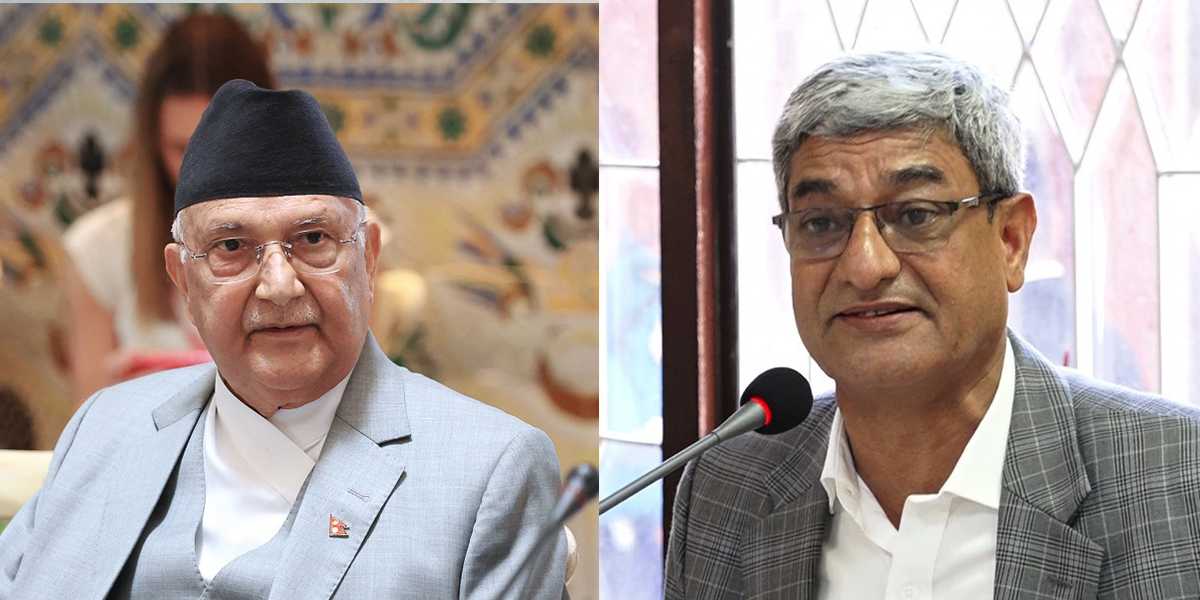
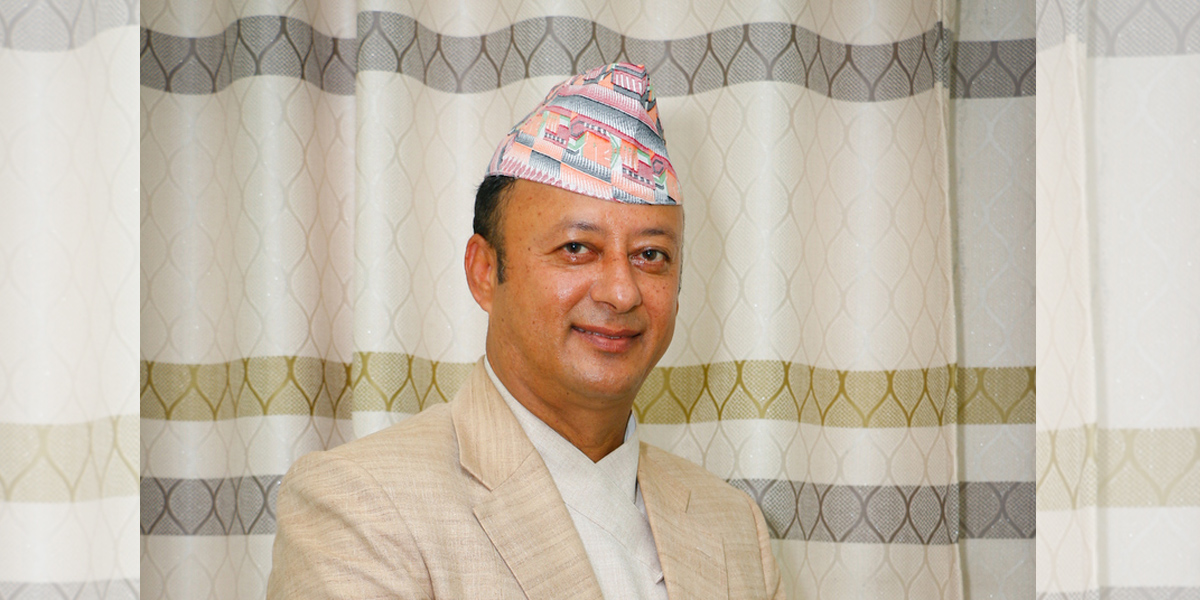
In Nepal, the rise of Balen Shah, an independent candidate who got elected as the Mayor of Kathmandu Metropolitan City, reflects this positive populist dynamic. His anti-party rhetoric and emphasis on accountability resonated with young and urban voters. Balen utilized social media and grassroots networks to bypass traditional campaign methods, framing himself as a voice of the people fed up with political inefficiency.
Many Scholars argue that populism’s threats to democracy and governance as well as populist governance, can present serious challenges. These include erosion of democratic institutions, majoritarianism, polarization, rule of law decline and policy volatility. Harvard University political scientists Steven Levitsky and Daniel Ziblatt argue in their book ‘How Democracies Die’ that populism has been weakening the judiciary, media and opposition. Likewise, Jan-Werner Müller, a Professor of Social Sciences and Politics at Princeton University, argues that populist movement disregards minority rights and pluralism. Jennifer McCoym, a professor at Georgia State University, believes populism causes a deepening of societal divisions and identity politics.
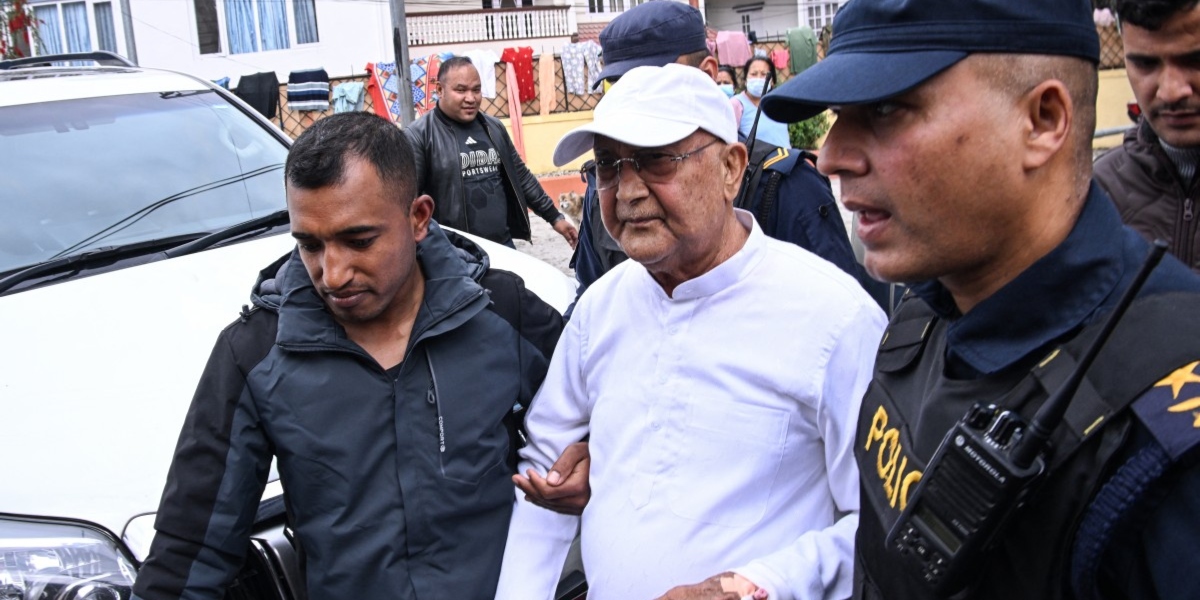
In Nepal, Prime Minister KP Sharma Oli has often been criticized for displaying populist tendencies that skirt democratic norms. Oli promoted nationalism by opposing India during border disputes and emphasized cultural symbolism, like broadcasting the national anthem in schools. He centralized power through ordinance and frequently challenged constitutional boundaries, especially during the dissolution of Parliament in 2020 and 2021, leading to judicial interventions.
We can see similar examples all over the world. In Venezuela, Hugo Chávez’s populist rule initially reduced inequality but eventually led to authoritarianism and economic collapse, according to a 2015 book titled ‘Dragon in the Tropics: Hugo Chavez and the Political Economy of Revolution in Venezuela’ by Javier Corrales and Michael Penfold. Likewise, Viktor Orbán’s government has centralized power and undermined liberal democratic norms in Hungary, according to the 2024 Freedom House report. In the US, Donald Trump’s presidency challenged democratic institutions and escalated polarization, wrote Tom Ginsburg and Aziz Z Huq in their book ‘How to Save a Constitutional Democracy’ published in 2018. Trump continues to embody a populist style in his post-presidency role. His 2025 return to power has been marked by economic nationalism, institutional restructuring, such as the creation of the Department of Government Efficiency under Elon Musk, and foreign policy shifts, including withdrawal of aid to Ukraine and pro-Russia sympathies, according to The Guardian. Trump’s rhetoric still reflects populist themes—anti-elitism, nationalism, and direct appeals to the ‘real people.’ Balen Shah’s rise as Kathmandu’s mayor in Nepal signifies a shift in urban political preferences. Rejecting traditional party politics, Balen’s focus on waste management, digital transparency and administrative reforms appealed to a new generation of voters. Meanwhile, KP Oli’s governance illustrates how populist nationalism can be used to consolidate authority while challenging democratic institutions.
Populism is a double-edged sword. While it can revitalize democracy by addressing public grievances and engaging marginalized groups, it frequently undermines democratic institutions and promotes authoritarian tendencies. Leaders like Balen Shah show that populist energy can bring administrative innovation and responsiveness. Conversely, experiences with Donald Trump and KP Oli remind us that unchecked populism can threaten the very foundations of democratic governance. The future of democratic governance may hinge on the ability to integrate populist demands without sacrificing liberal democratic principles depends on the ability to balance populist demands with institutional resilience and liberal democratic values.
(Ojha is an independent researcher and post-doctoral fellow. He can be reached for feedback at: [email protected])