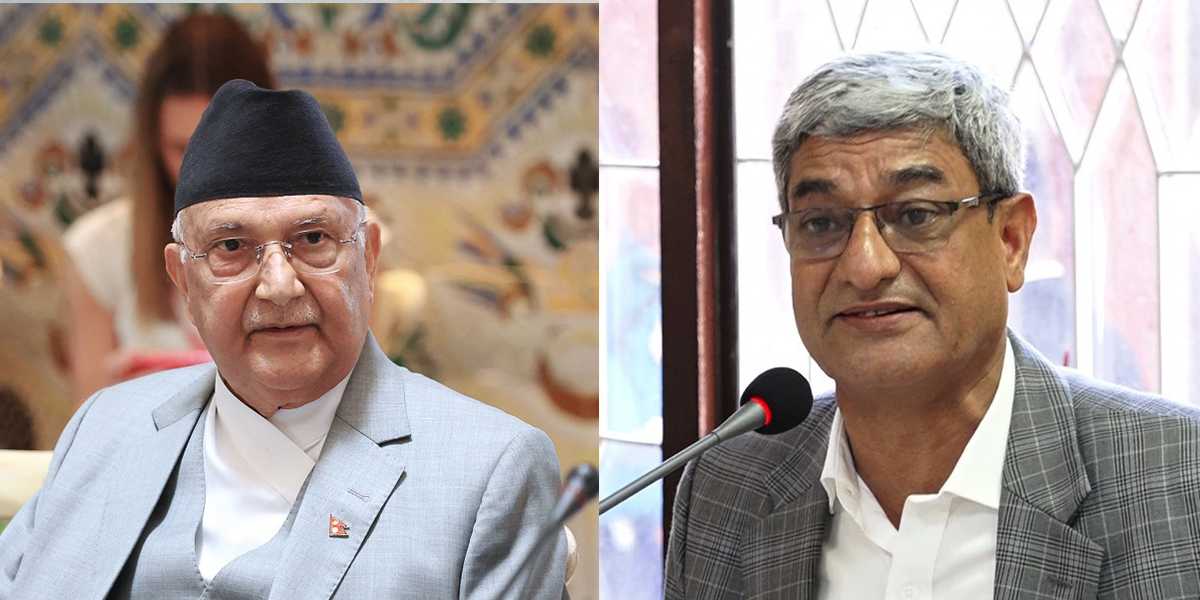

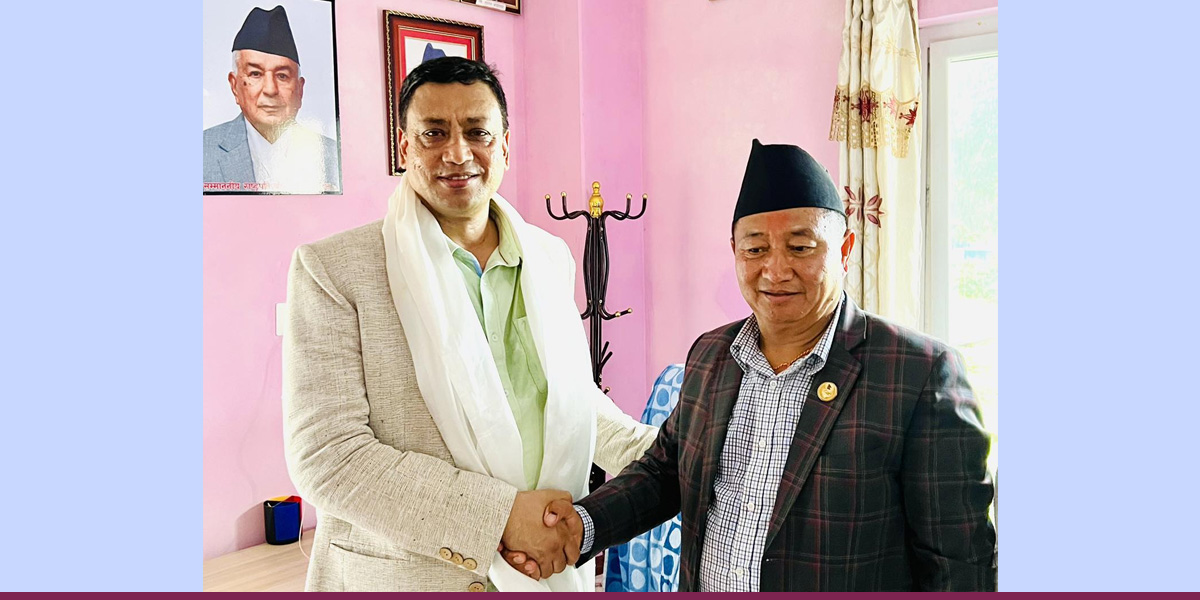
 Bagmati Chief Minister Bahadur Singh Lama (left) congratualtes newly-elected pariamentary leader Indra Singh Baniya.
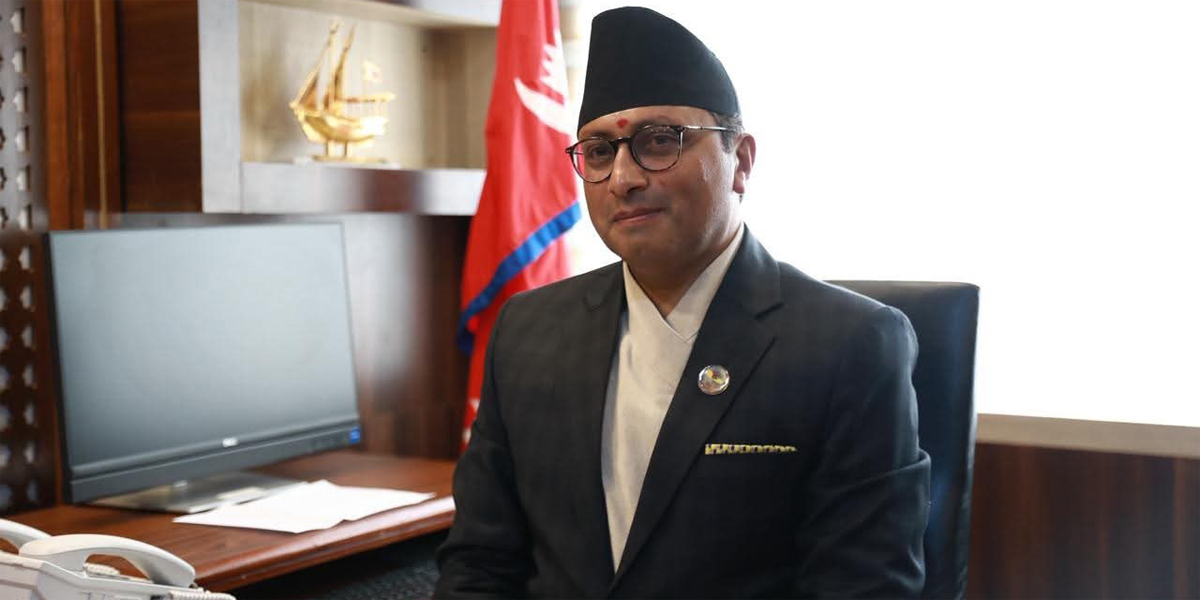
KATHMANDU: Despite losing the parliamentary party leadership election of the Nepali Congress (NC) in the Bagmati Province Assembly, Bagmati Chief Minister Bahadur Singh Lama has shown no intention of stepping down.
In the vote held on Wednesday, Lama secured only 14 out of 37 votes—four short of the majority required to retain his position as parliamentary party leader and the Chief Minister. His rival, Indra Bahadur Singh Baniya, received 22 votes, while one vote was declared invalid.
According to the rules of the Nepali Congress parliamentary party, only the elected parliamentary leader can lead the government. However, Lama argues that there is no constitutional obligation for him to resign and has stated that he will act in line with the spirit of the constitution.
Speaking to reporters after the vote, Lama said he sees no need to resign and added that anyone who wants him removed should bring a no-confidence motion in the provincial assembly.
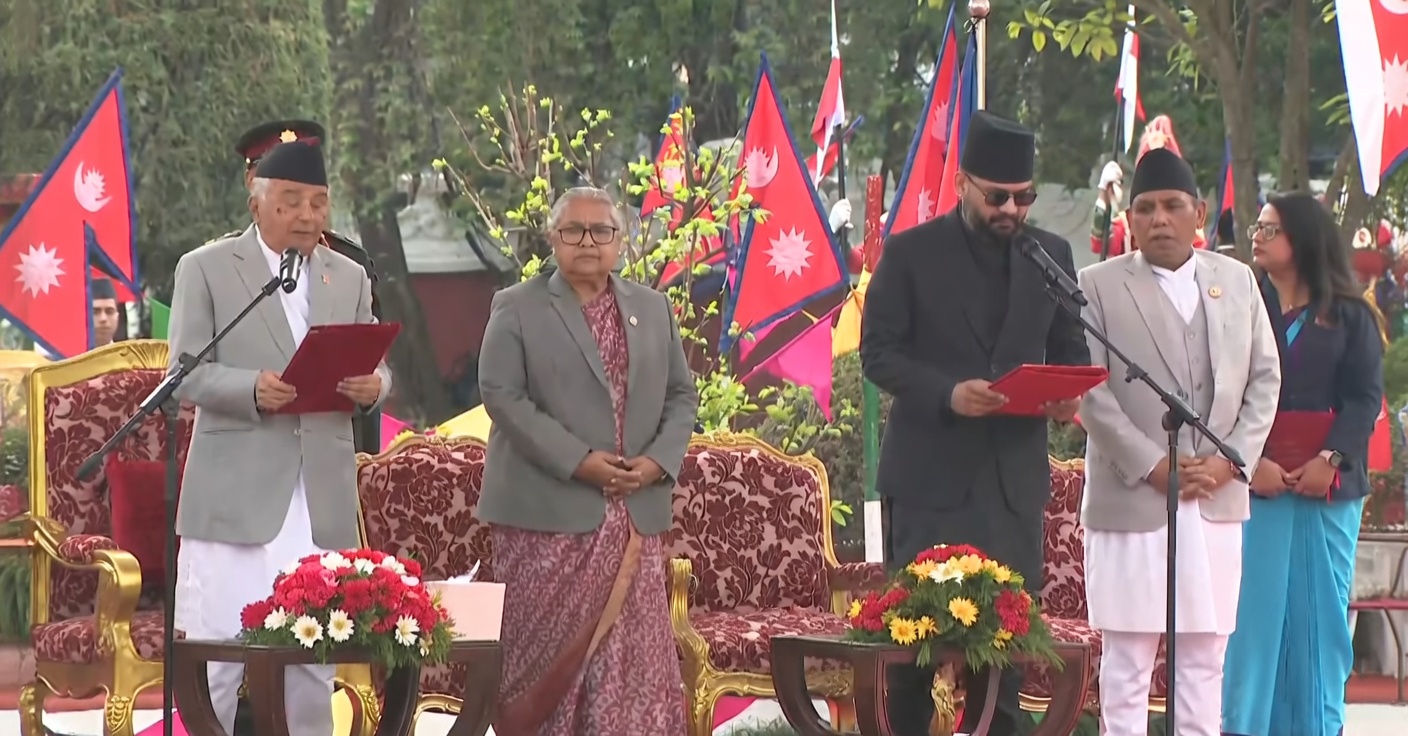
Lama was appointed Chief Minister on July 24 last year as per Article 168 (2) of the Constitution of Nepal, 2015, with the support of 37 NC Congress and 27 CPN-UML lawmakers. He won a vote of confidence a week later, securing 64 votes in favor, while provincial assembly members voted against him and three abstained.
Lama insists that since he was appointed as per Article 168(2), which states that a provincial assembly member with majority support from two or more parties to be appointed Chief Minister in the absence of a single-party majority, he is not required to resign simply because he is no longer the party’s parliamentary leader.
The constitutional provision Lama refers to does not explicitly require the Chief Minister to be the parliamentary party leader.
Moreover, Article 188 (4) of the Constitution prohibits a no-confidence motion against the Chief Minister within the first two years of their appointment. Since Lama has not yet completed two years in office, a no-confidence motion cannot be brought against him at this time.
However, the parliamentary statute of the Nepali Congress in Bagmati contradicts this stance. Clause 6 of the statute states that the parliamentary party leader must lead the government if the party is in power. Citing this provision, newly elected leader Baniya has demanded that Lama step down.
Baniya argues that since Lama became Chief Minister as the party’s leader, he must now vacate the post, as he no longer holds that title. If Lama steps down voluntarily, Baniya said, the transition can proceed smoothly. “Otherwise, we will use constitutional and party mechanisms to replace him,” he added.
The situation has led to a standoff between Lama’s constitutional defense and Baniya’s party-based claim, throwing the future leadership of Bagmati Province into uncertainty. The legal and political contradictions between the party statute and the constitutional article under which Lama was appointed mean the issue is unlikely to be resolved easily.
Rajendra Kumar KC, a senior party leader tasked with mediating the dispute, said that Lama should step down since he has lost his position as parliamentary leader. “He became Chief Minister not as an independent figure but as the party’s leader,” KC said. “While Article 168(2) doesn’t require the Chief Minister to be the party’s leader, the party statute does. Therefore, he should resign and clear the way.”