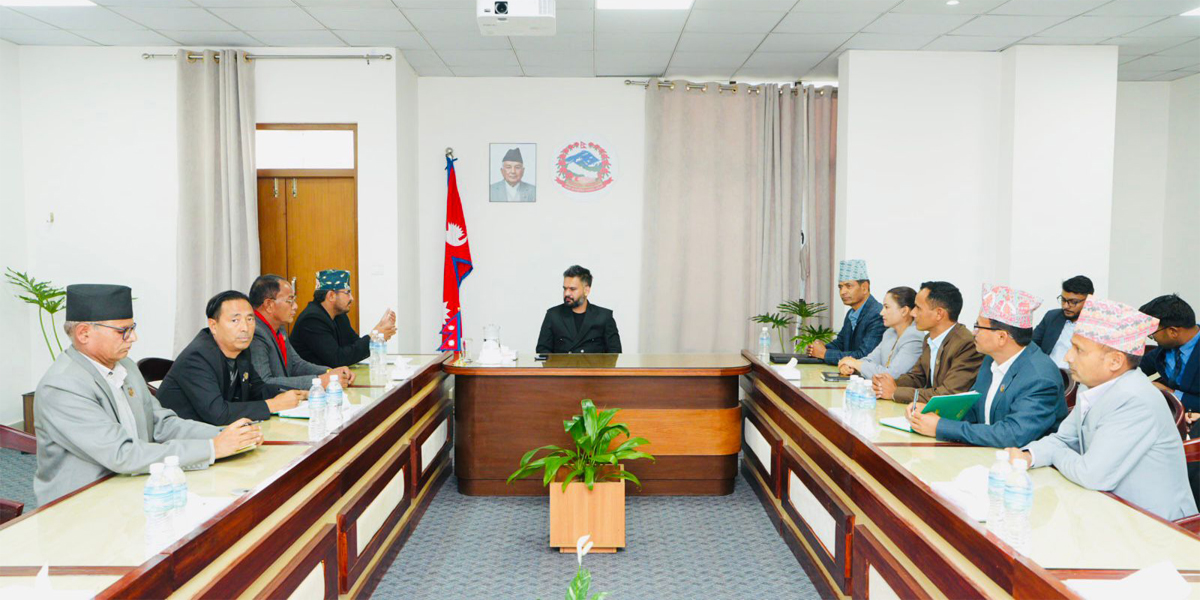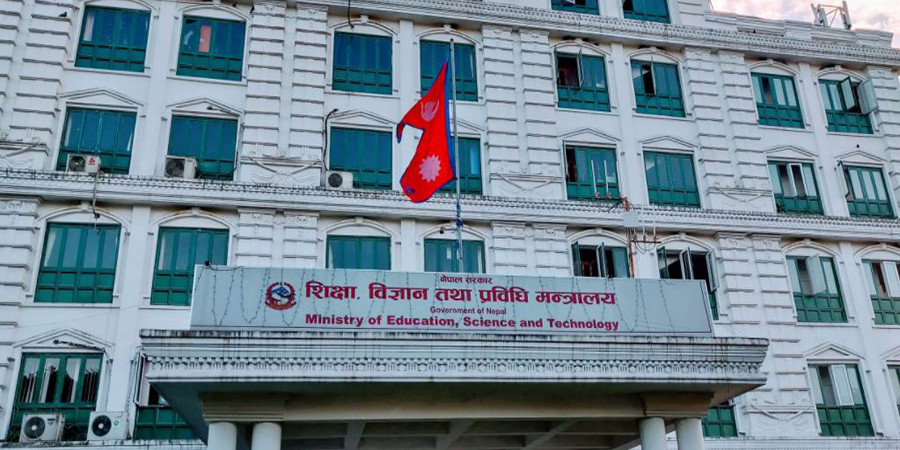

KATHMANDU: Political parties are working to reach a consensus on contentious issues in the School Education Bill, 2023, which is currently under discussion in the Education, Health and Information Technology Committee of the House of Representatives, to pass it by August 16.
Although major parties are holding discussions to finalize the Bill, they still have differing views on several issues, including preferential treatment for temporary teachers in internal competition, the process for departmental action and criteria for periodic promotions.
Officials of the Confederation of Nepali Teachers (CNT) and its affiliated organizations have been pressing lawmakers to address demands of teachers in the Bill. One of the contentious issues is the quota system for temporary teachers in the Teacher Service Commission (TSC) examinations.
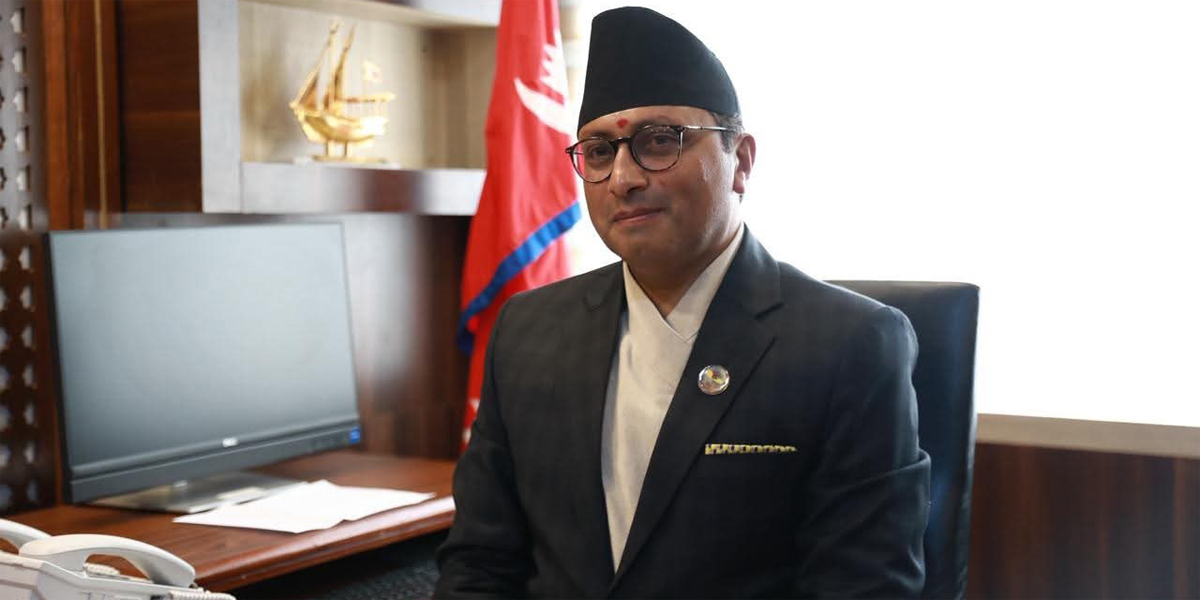
While Nepali Congress (NC) is in favor of a 75% internal and 25% open competition model, Education Minister Raghuraj Pant, who is from CPN-UML, is advocating for a 60% internal and 40% open competition ratio. The main opposition, CPN (Maoist Center), is insisting on endorsing the report of the House panel’s subcommittee, which has recommended the 60/40 model.
A meeting of the House committee held in the first week of July was expected to finalize the 60/40 model for the management of temporary teachers. However, the Bill could not move forward after NC remained firm on its 75/25 stance. “That 75/25 ratio is NC’s bottom line,” said a source.
There’s also disagreement over who has the authority to take disciplinary action against teachers. The government insists that no action should be taken against teachers by local governments without recommendations from the TSC. The NC, however, argues that since the TSC is not a constitutional body and operates under the ministry, it would be more appropriate for disciplinary matters to fall under the Center for Education and Human Resource Development.
Citing the example of the civil service, where employees cannot be punished without Public Service Commission recommendations, NC has proposed that the Center should have disciplinary authority over teachers.
Regarding periodic promotions for teachers (grades 10–12), the plan is to continue basing it on a 90-point evaluation system.
There is near-consensus among parties on a provision to designate pre-primary educators as “early childhood teachers” rather than full-fledged ‘teachers’.
As for school staff, parties have agreed to keep them under local governments, with authority to create positions at the local level—provided they do not fall below national standards. Political parties are also close to agreement on a golden handshake scheme for staff members reaching 60 years of age.
To resolve remaining differences in the Bill, NC and UML are preparing for a high-level discussion involving NC Vice President Purna Bahadur Khadka and Chief Whip Shyam Kumar Ghimire, and UML General Secretary Shankar Pokharel and Chief Whip Mahesh Bartaula.