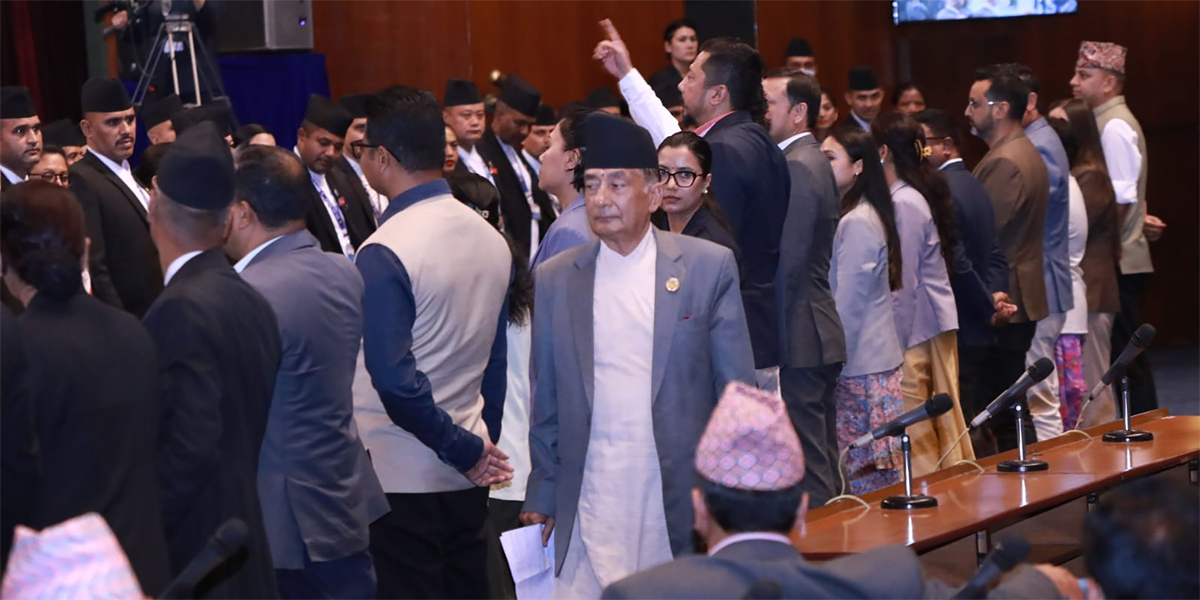
 RSP lawmakers chanting slogans in the House of Representatives. Photo: RSS
KATHMANDU: After Home Ministry Joint Secretary Tirtha Raj Bhattarai was drawn into an investigation over the visit visa scandal, opposition parties in the House of Representatives joined hands to corner the government.
Alleging the involvement of Home Minister Ramesh Lekhak in the scandal, the opposition parties — CPN (Maoist Center), Rastriya Swatantra Party (RSP) and Rastriya Prajatantra Party (RPP) — stood together on the issue. Demanding the resignation of Home Minister Lekhak and the formation of a parliamentary committee to investigate the visit visa scandal, they decided to obstruct parliamentary proceedings. While they allowed the government to present the budget on May 29 because of constitutional obligation, they continued to obstruct the House afterward.
With the government under pressure to conclude discussions and pass the budget, it was eager to reopen Parliament by any means. However, the ruling coalition was unwilling to address the opposition’s demands for the Home Minister’s resignation and the formation of a parliamentary probe committee. Still, the ruling side appeared confident that Parliament would resume even without meeting those two demands. Nepali Congress (NC) Chief Whip Shyam Prasad Ghimire repeatedly stated that Lekhak will not resign and no parliamentary committee will be formed, but the House will resume
Ghimire argued that there was no need for the Home Minister to resign simply because an official from his ministry was under investigation. He also maintained that a separate parliamentary committee was not necessary since the Commission for the Investigation of Abuse of Authority (CIAA) was already looking into the matter.
In the end, events unfolded exactly as Ghimire and the ruling CPN-UML had predicted: Home Minister Lekhak did not resign, no parliamentary probe committee was formed and the House session resumed.
With the signing of the two-point agreement, the opposition bloc that had united firmly over the visit visa scandal has now fallen apart.
On June 13, a two-point agreement between the ruling coalition broke the impasse. The agreement sidestepped the opposition’s demands, stating that the CIAA would conclude the visa scam investigation and that the government would undertake policy, legal and structural reforms to address visa-related issues.
With the signing of the two-point agreement, the opposition bloc that had united firmly over the visit visa scandal has now fallen apart. The main opposition party Maosit Center, which signed the agreement, has since Sunday assumed a cooperative role in the functioning of the House of Representatives.
The Maoist Center, which had been leading the demand for the Home Minister’s resignation and the formation of a parliamentary investigation committee, suddenly backed away from its stance. The party, which had obstructed Parliament while pressuring the government with these two demands, has not clearly explained why it abandoned its position.
Maoist Center’s Senior Vice Chairperson, Narayan Kaji Shrestha, has said that the agreement between the Maoist Centre and CPN-UML to end the parliamentary deadlock will be reviewed within the party. Shrestha added that party chairperson Pushpa Kamal Dahal might have reached the agreement after a comprehensive assessment.
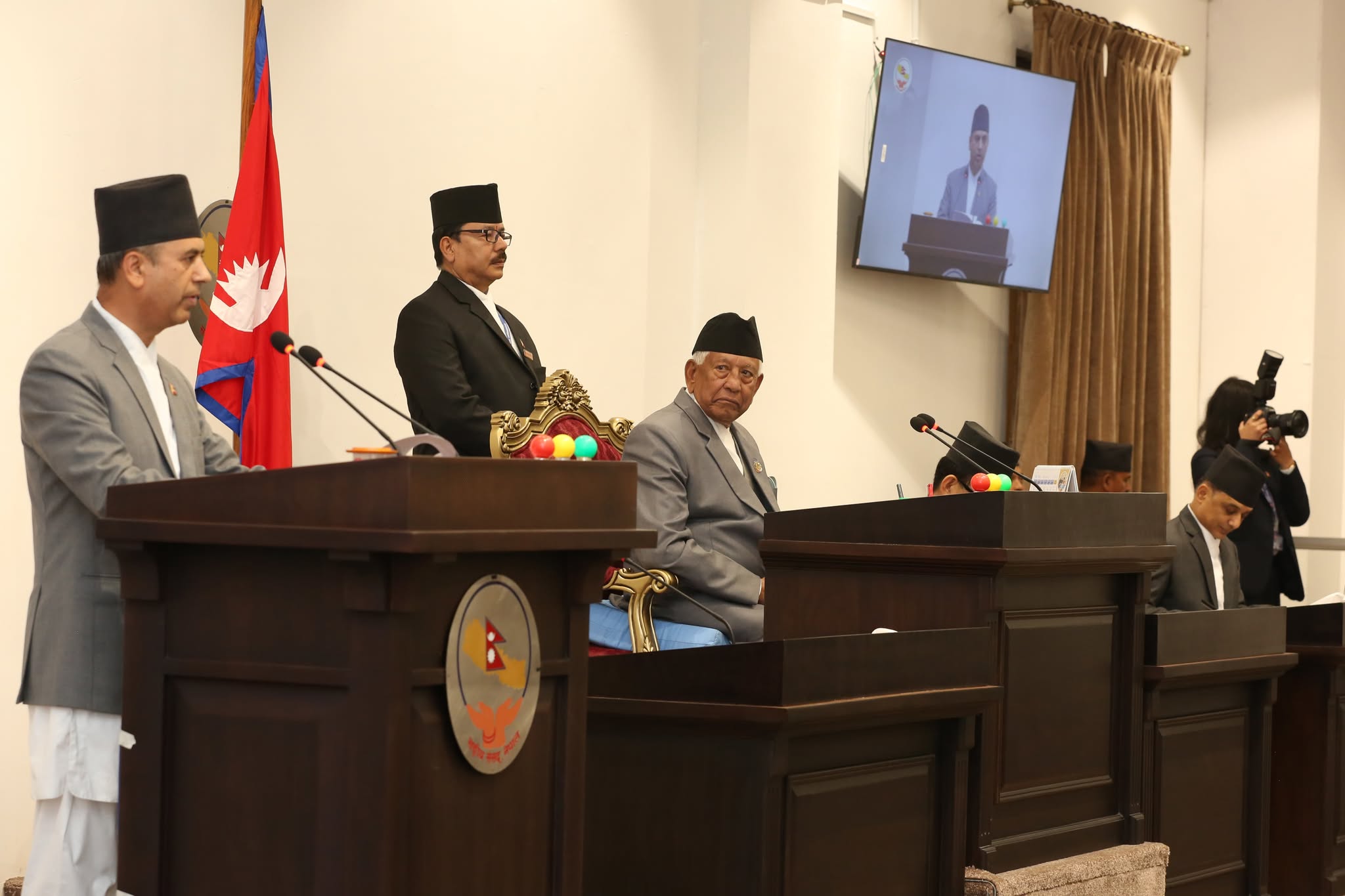
Although RSP and RPP continued their protests, parliament is functioning normally. In Sunday’s meeting of the House of Representatives, both parties initially joined forces to demand a parliamentary probe committee on the visit visa scandal. However, in the end, only the RSP continued chanting slogans, while the RPP walked out after Speaker Devraj Ghimire proceeded with the scheduled agenda despite opposition protests.
Since the formation of the ruling coalition between the two largest parties— the NC and the UML — opposition parties have appeared weak. Their position has been further undermined as several of their top leaders have been implicated in different controversies.
RPP Chief Whip Gyanendra Bahadur Shahi accused Maoist Center Chairperson Dahal of acting with a “chameleon-like tendency” in the visa case. The party has also questioned Speaker Devraj Ghimire for pushing ahead with House proceedings despite opposition protests. Chief Whip Shahi alleged that both Parliament and the Speaker were siding with intermediaries.
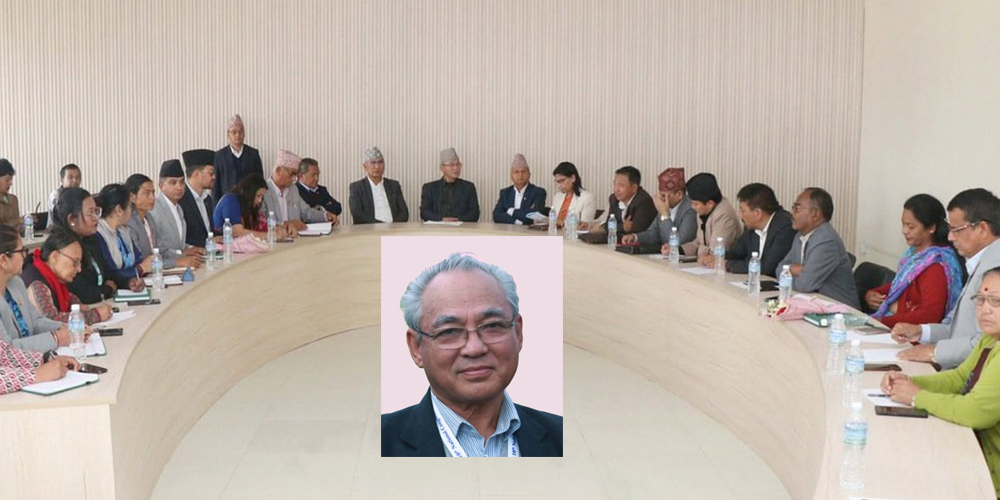
The Maoist Center’s move has left the opposition in disarray. The CPN (Unified Socialist), which had previously aligned with the Maoist Centre on the issue, has also joined the parliamentary proceedings. Unified Socialist lawmaker Rajendra Pandey participated in the budget discussion and expressed his views from the rostrum.
Since the formation of the ruling coalition between the two largest parties— the NC and the UML — opposition parties have appeared weak. Their position has been further undermined as several of their top leaders have been implicated in different controversies.
RSP President Rabi Lamichhane is in custody in connection with a cooperative fraud case. A case has been filed in the Special Court against former Prime Minister and Unified Socialist Chairperson Madhav Kumar Nepal over the Patanjali land scandal. Similarly, the Supreme Court has ordered an investigation into a murder case against Maoist Centre Vice-chairperson Agni Prasad Sapkota.
As major opposition leaders face legal troubles one after another, the alliance of opposition parties trying to unify around the visit visa case has fallen apart.