 Himal Press
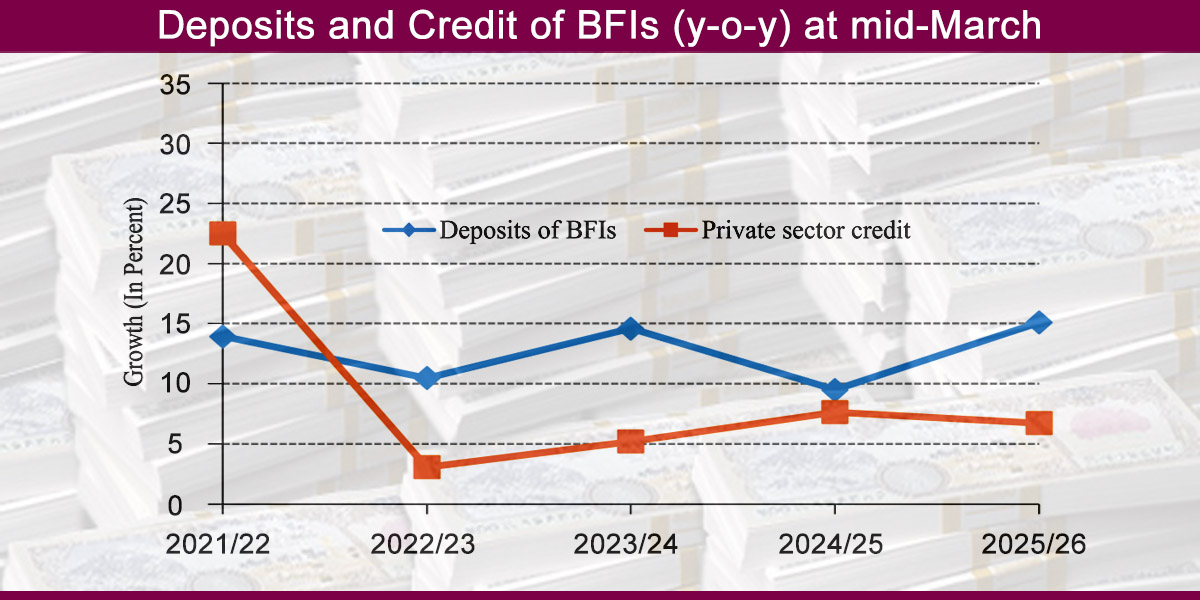
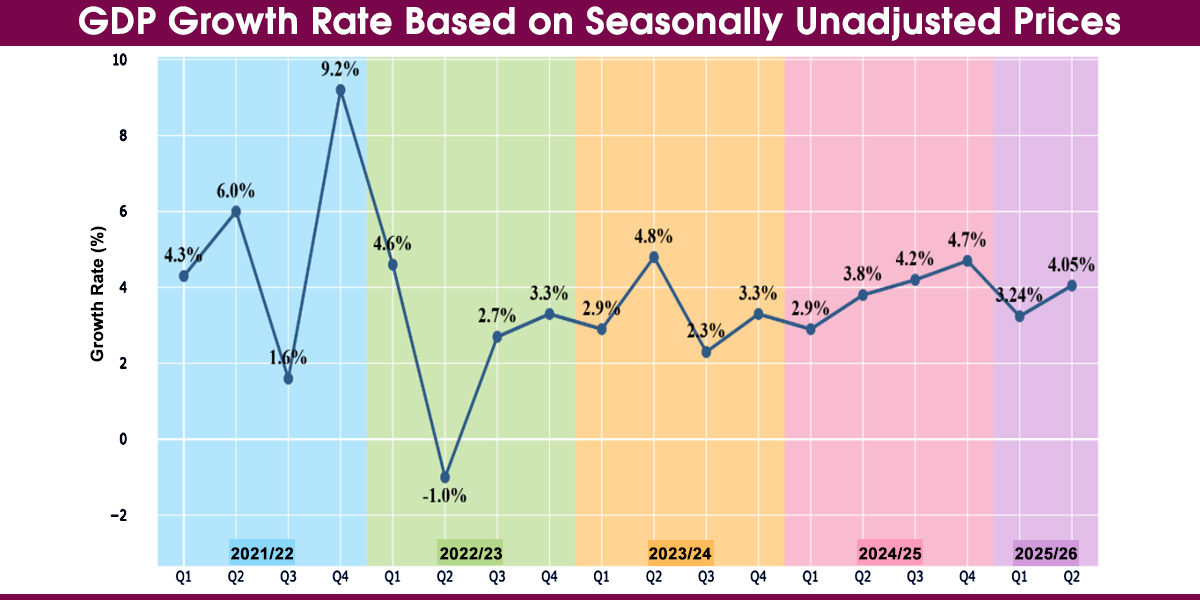
KATHMANDU: Nepal Rastra Bank (NRB) has introduced a flexible and growth-oriented monetary policy for the fiscal year 2025/26, aiming to stimulate the sluggish economy, boost private sector credit and maintain macroeconomic stability.
Unveiling the monetary policy, Nepal Rastra Bank Governor Dr Bishwo Nath Paudel said a cautiously flexible policy has been adopted. The policy also mentions that the second financial sector strategy has been approved and will be implemented.
To make borrowing more affordable and stimulate economic activity, the central bank has lowered the policy rate from 5% to 4.5%. The NRB has also cut the bank rate by 0.5 percentage points to 6%, while the deposit collection rate now stands at 2.75%. These adjustments reflect an accommodative stance intended to ease liquidity conditions and promote investment.
The central bank has set the private sector credit growth target at 12% for the upcoming fiscal year. The NRB has set a target to contain inflation at 5% in line, which is lower than the 5.5% target set in the budget for the current fiscal year. “In the fiscal year 2025/26, monetary liquidity and foreign exchange management will be conducted to maintain inflation at around 5% and ensure a foreign exchange reserve sufficient to cover at least seven months of imports of goods and services, while also achieving 6% economic growth as stated in the budget announcement,” the monetary policy added.
The NRB has increased the foreign exchange limit for Nepali travelers from $2,500 to $3,000 per person. It has also granted banks and financial institutions flexibility to raise capital as needed, subject to central bank approval.
Similarly, it has raised the maximum limit for individual margin loans to Rs 250 million from the existing Rs 150 million. According to the new monetary policy, banks are now allowed to lend up to 70% of the average market price or the average price of the last 180 days, whichever is lower, making share-backed loans more accessible while ensuring risk control.
The new monetary policy has raised the ceiling for residential home loans to Rs 30 million. Similarly, banks can lend up to 70% of a property’s valuation. However, the loan-to-value ratio for first-time buyers can reach up to 80%.
Toward institutional reforms, NRB has said that it would review the policy of allowing microfinance institutions to distribute annual dividends exceeding 15%, either in cash or bonus shares. Similarly, it has lifted the earlier restriction on national-level Class C finance companies, which limited deposit deployment to 15 times their core capital.
Additionally, the limit on non-deliverable forwards (NDFs) based on primary capital by banks and financial institutions has been raised from 20% to 25%, enhancing their capacity to hedge foreign exchange risks. The central bank has also said it will review the existing provision on capitalization of interest for loans extended to the energy production sector, a move that could ease financing challenges in large infrastructure projects.