 Himal Press
 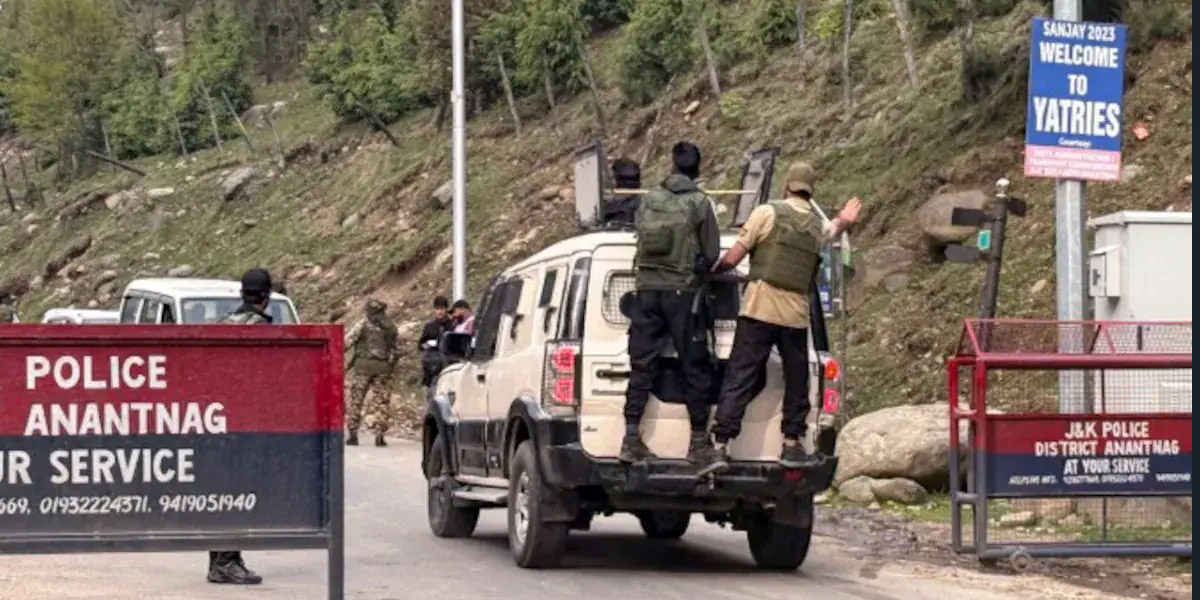 Photo: PTI
KATHMANDU: The recent terror attack in Pahalgam, which killed Nepali citizen Sudip Neupane along with 26 others, and the abduction of Bipin Joshi by Hamas underscore a disturbing reality: Nepal is no longer immune to transnational terrorism.
These incidents appear to be part of a broader trend of Nepali citizens—whether tourists, migrant workers, or students—being targeted abroad.
According to Indian media reports, the Pahalgam attack was carried out by The Resistance Front (TRF), an offshoot of Lashkar-e-Taiba. It was a brutal assault on civilians, with some reports suggesting that the attackers asked victims about their faith before unleashing violence—clearly a tactic designed to instill fear and sow division. It is deeply troubling that Nepalis, known for their peace-loving and neutral stance, are now being dragged into ideological conflicts that have nothing to do with them.
Accusing Pakistan of supporting the attack, India has suspended the Indus Waters Treaty, closed the Attari-Wagah border, halted visa services for Pakistani nationals and expelled Pakistani diplomats.
This incident highlights Nepal’s vulnerabilities: an open border with India, limited intelligence capacity, and an outdated security framework—all of which increase the risk of such threats spilling over. The killing of Sudip Neupane and the abduction of Bipin Joshi challenge Nepal’s long-held non-aligned position and demand a reassessment of its security and diplomatic priorities.
Nepal must take a firm stand to ensure the safety of its citizens while maintaining its sovereignty and neutrality. It should unequivocally condemn all forms of terrorism as threats to humanity, prioritise the safety of Nepalis abroad, and prepare for potential threats at home.
To effectively counter transnational terrorism and prevent extremist infiltration, Nepal should establish a dedicated counterterrorism unit trained in intelligence gathering and rapid response, and reinforce border security. It must also strengthen its intelligence capabilities to monitor threats to Nepali citizens overseas. In parallel, Nepal should address the ideological roots of extremism by monitoring religious institutions and online platforms for radical content, while promoting tolerance and inclusion through community engagement.
The Pahalgam attack and Bipin Joshi’s abduction are stark wake-up calls. Nepal can no longer afford complacency. The government must demand accountability from groups like TRF and their supporters and use international platforms such as the United Nations to push for stronger global sanctions against terror financing networks.