 Himal Press
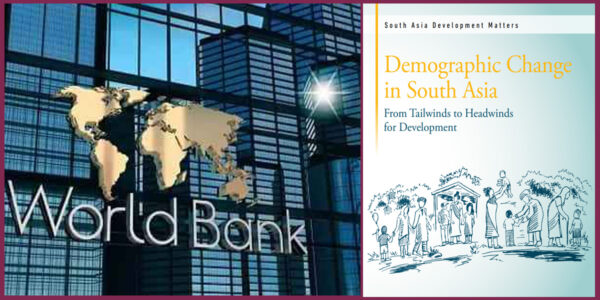
KATHMANDU: Nepal has until 2047 to make the most of its working-age population before its demographic dividend begins to diminish, while the country is expected to become an aged society by 2059, according to a new World Bank report.
The report, titled Demographic Change in South Asia: From Tailwinds to Headwinds for Development, released on Tuesday, says Nepal has a longer window to prepare for population ageing than most of its South Asian neighbors. However, it warns that the country faces significant structural challenges that could prevent it from fully benefiting from its large working-age population.
According to the report, South Asia currently has 1.17 billion people of working age which offers the region a significant opportunity to accelerate economic growth.
“South Asia has an opportunity to capitalize on a working-age population that numbers 1.17 billion people, but this window is gradually closing. In less than a decade, South Asia’s working-
age population will peak and start shrinking,” it said. “By 2049, it will be an aged regional economy with 14% of its
population aged 65 and older.”
South Asia is transitioning from an ageing to an aged population faster and at a lower level of per capita income than comparable emerging and developing economies. While the average developing economy takes 32 years to make this transition, South Asia is expected to do so in just 25 years, the World Bank said.
Since 2000, the growing share of adults in their prime working years has contributed an additional 0.4 percentage points to South Asia’s annual GDP growth and increased labour productivity by 1.1% annually. However, the annual contribution of demographic changes to regional GDP growth is projected to decline to just 0.1 percent by 2050.
“South Asian economies are aging faster and earlier in their development journeys,” said Johannes Zutt, World Bank vice president for South Asia. “They need to act now to adopt policies and build infrastructure that create more and better jobs and deepen the gains from their ‘youth dividend’, while at the same time preparing
for aging. This will enable South Asia to make the most of its large working-age population and lay the foundations for a ‘second dividend’ as healthier older people continue contributing to the economy.”
The report identifies a significant jobs gap across the region. Only 60% of South Asia’s working-age population is employed, while 88% of those employed work in the informal sector, where earnings are generally lower and job security is limited.
According to the report, social protection systems in South Asia are inadequate to address the needs of an ageing population. “Only 17% of the region’s working-age population contributes to a pension scheme, while just 10% of older South Asians receive pension benefits, the lowest coverage globally,” it added.
The report offers a roadmap for South Asian countries to act on both fronts.
Despite having more time than its neighbors to prepare for demographic changes, Nepal faces several constraints in translating its working-age population into sustained economic gains.
Remittances account for approximately 25% of Nepal’s GDP and contributed to 40% of poverty reduction between 2001 and 2011. However, returnee migrants earn lower salaries than non-migrants for approximately three years after returning home, suggesting that overseas employment has not translated into lasting productivity gains in the domestic economy.
The report also highlights high adolescent fertility rates, limited access to healthcare for the predominantly rural population, gender disparities in the labour market and limited social protection as major challenges. Approximately 91% of Nepali workers aged 65 and above are employed informally, leaving most older people outside contributory pension schemes, it added.