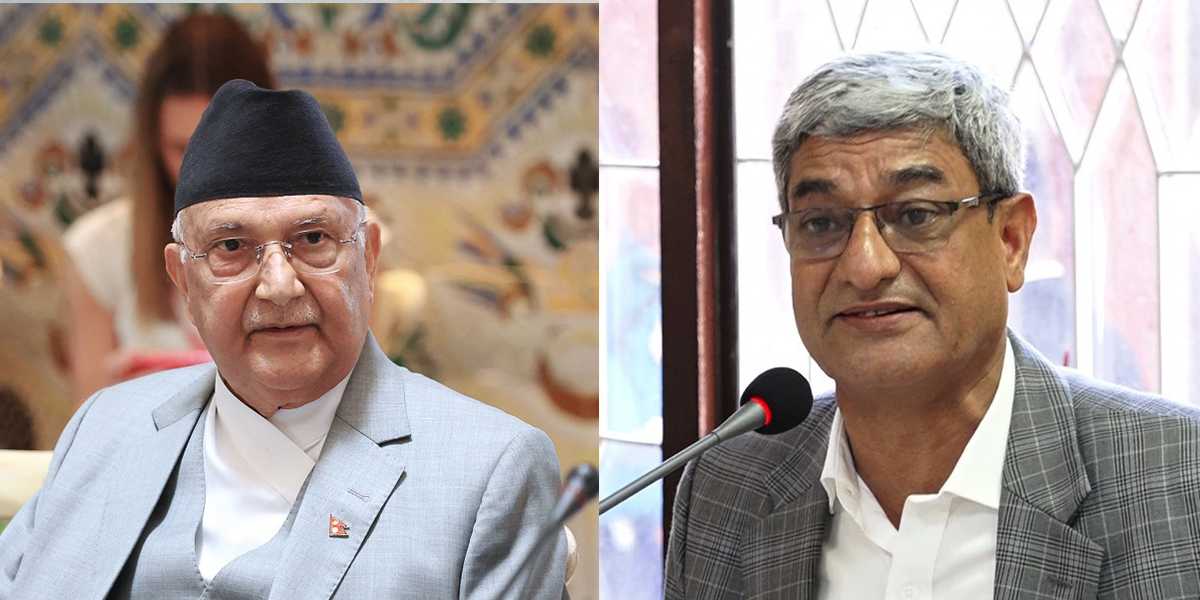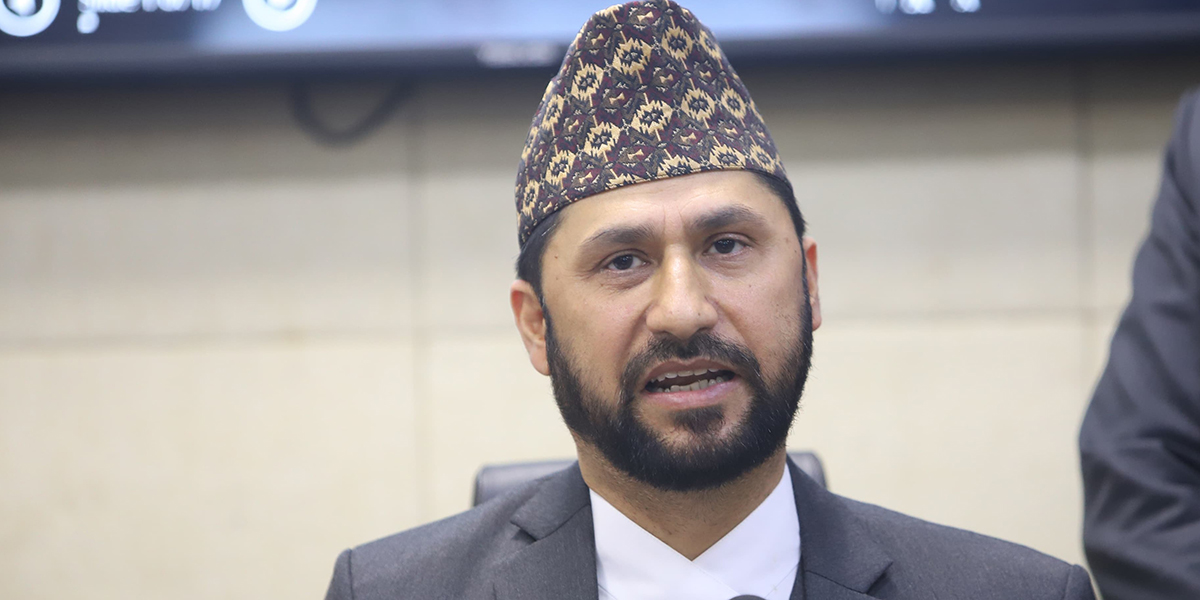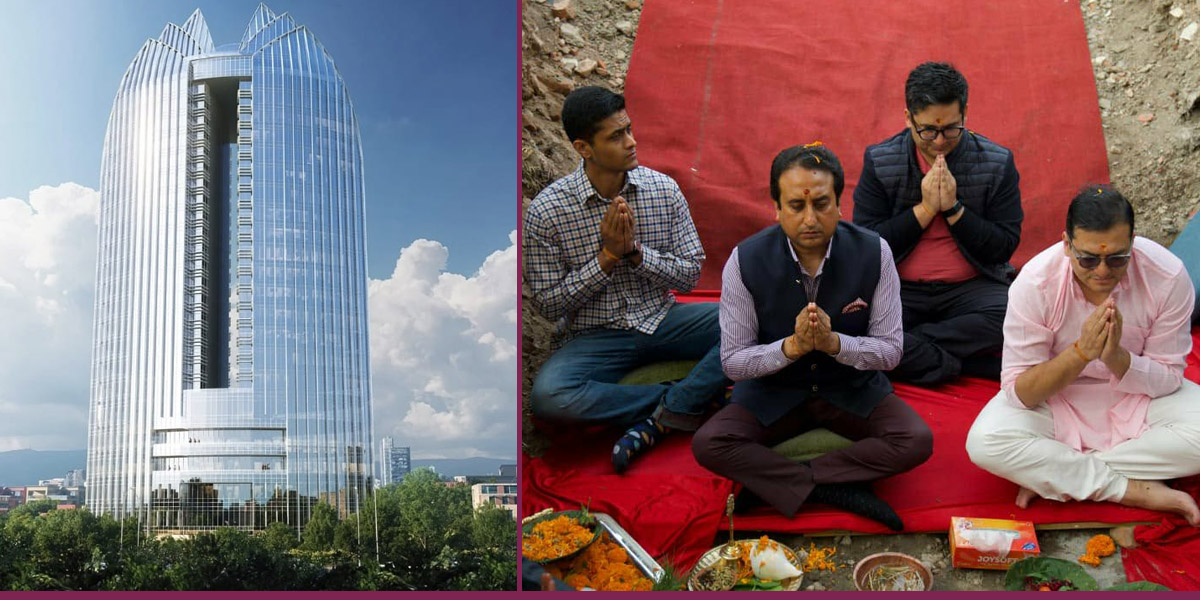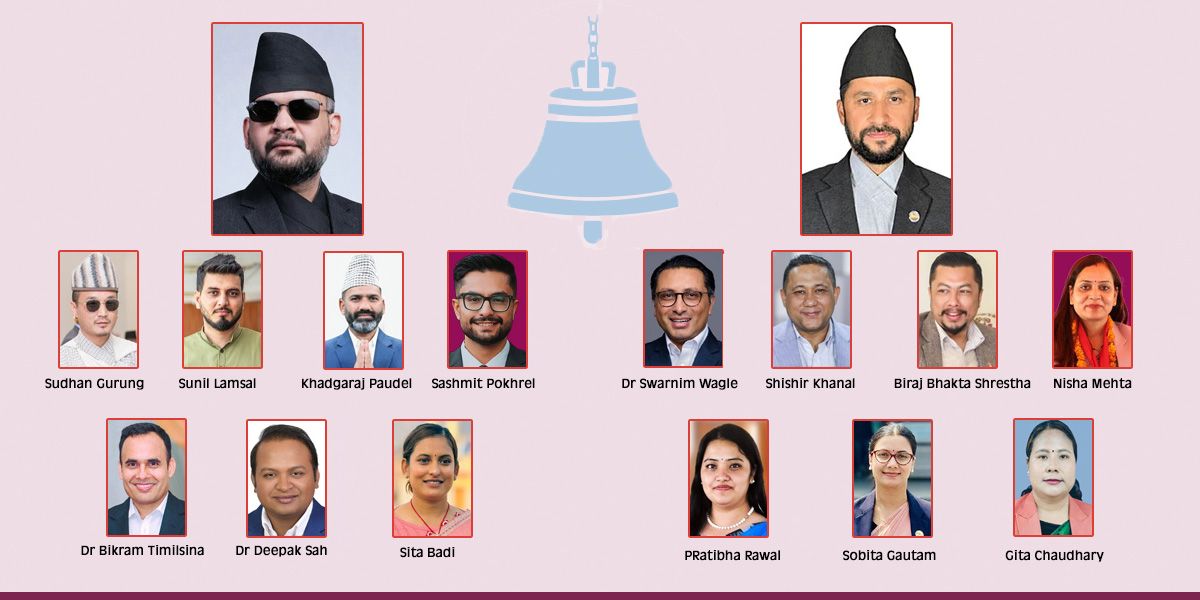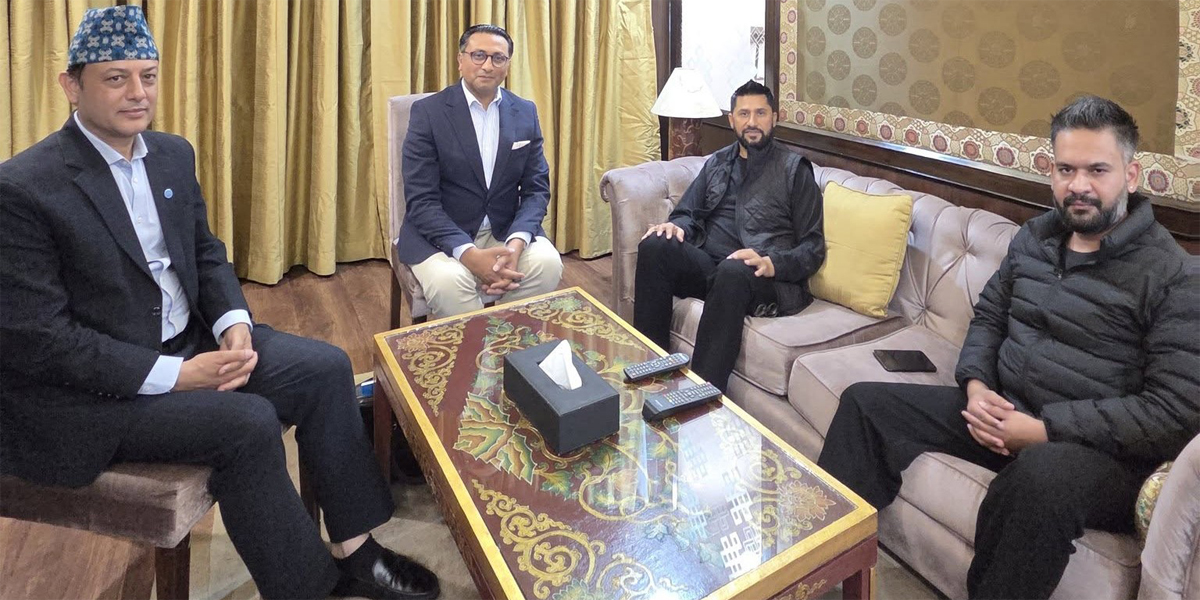

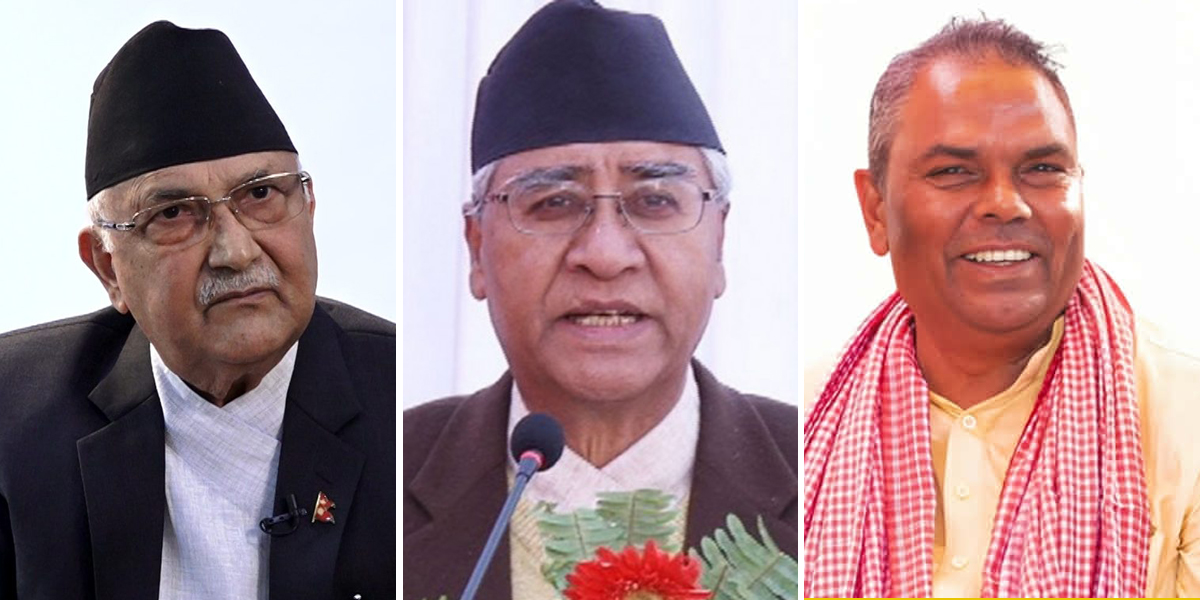
 (From left) This combo photo shows UML Chairperson KP Sharma Oli, NC President Sher Bahadur Deuba and JSP Nepal Chairperson Upendra Yadav.
JANAKPURDHAM: The alliance of the Nepali Congress (NC), CPN-UML, and Janata Samajbadi Party (JSP) Nepal appears to be in a strong position in Madhesh Province for the National Assembly election scheduled for January 25.
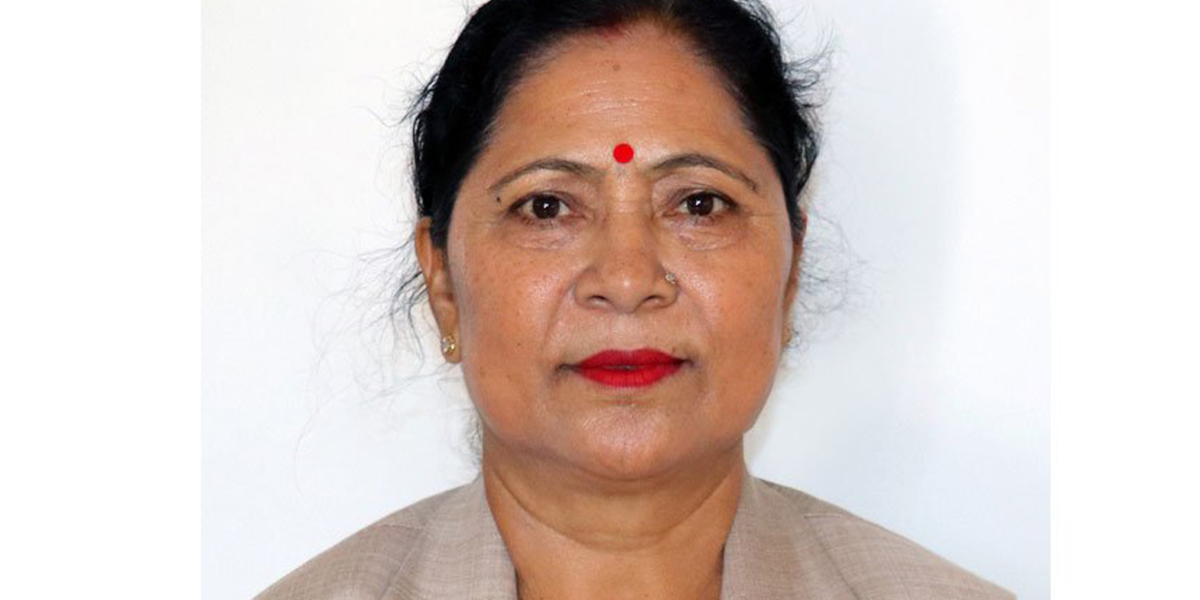
The alliance has fielded Mahantha Thakur from the ‘others’ cluster, Ranjit Karn from the minority cluster, Dharmendra Paswan from the Dalit cluster, and Rekha Jha from the women’s cluster. Thakur is from LSP Nepal, Karn and Paswan from NC, and Jha from UML.
Going against the agreement, JSP Nepal has fielded Shailesh Chaudhary from the minority cluster, Chandra Kala Sah from the women’s cluster, and Chameli Devi Das from the Dalit cluster. Analysts say JSP Nepal fielded candidates as a bargaining chip to secure one more seat for it, and is likely to withdraw their candidacies.
According to the Election Commission, the total vote weight in Madhesh Province stands at 10,585. Of this, the three-party alliance has a combined vote weight of 8,186.
Madhesh Province has 107 members of the Provincial Assembly and 272 elected representatives from local levels. However, after disciplinary action against some voters, the Election Commission has fixed the electorate at 104 provincial assembly members and 267 local-level representatives.
Three provincial assembly members and five local representatives remain suspended. The suspended provincial assembly members include Dipendra Thakur from the UML, Saroj Singh Kushbaha from JSP Nepal, and Abhiram Sharma from the Loktantrik Samajbadi Party (LSP) Nepal.
At the local level, the suspended officials include the mayor and deputy mayor of Bagmati Municipality from the CPN (Maoist Center), the deputy chair of Dhanauji Rural Municipality from the NC, the mayor of Rajbiraj Municipality from JSP Nepal, and the mayor of Kalyanpur Municipality from the UML.
Under the National Assembly election system, members of the provincial assembly and chiefs and deputy chiefs of local governments are eligible to vote. The provincial assembly members have a combined vote weight of 5,512, while local representatives have 5,073.
The three-party alliance have a vote weight of 3,816 from provincial assembly members and 4,370 from local-level representatives.
The NC alone has a combined vote weight of 3,485 from 22 provincial assembly members and 101 local representatives. UML ranks second with a vote weight of 2,317 from 24 provincial assembly members and 55 local representatives. JSP Nepal is next with a total vote weight of 1,904 from 18 provincial assembly members and 50 local representatives.
Likewise, the LSP Nepal has a total vote weight of 880 from eight provincial assembly members and 24 local representatives, while the Maoist Center has a vote weight of 781 from nine provincial assembly members and 16 local representatives, and CPN (Unified Socialist) has a vote weight of 580 from seven provincial assembly members and 11 local representatives.
The Unified Socialist has merged with the Maoist Center to form the Nepali Communist Party (NCP). This gives the NCP a total vote weight of 1,361.
It is not clear who the Janamat Party, Nagarik Unmukti Party (NUP), Rastriya Prajatantra Party (RPP), Sanghiya Samajabadi Party (SSP), Bibeksheel Sajha Party, and some independent representatives will support.
The Janamat Party holds a vote weight of 746 from 13 provincial assembly members and three local-level chiefs or deputy chiefs. The NUP, RPP, and SSP each have a vote weight of 53 from one provincial assembly member. Independent candidates have a combined vote weight of 57.
The candidates of NCP stand no chance in the election, even if they secured votes of all parties outside the alliance.
The Election Commission published the final voter roll on January 6. Candidates filed their nominations on January 7, and they can withdraw their nominations on January 11. The EC will allot election symbols on January 12.
Voting will be held from 9 am to 3 pm on January 25 at the designated polling centers.