 Himal Press
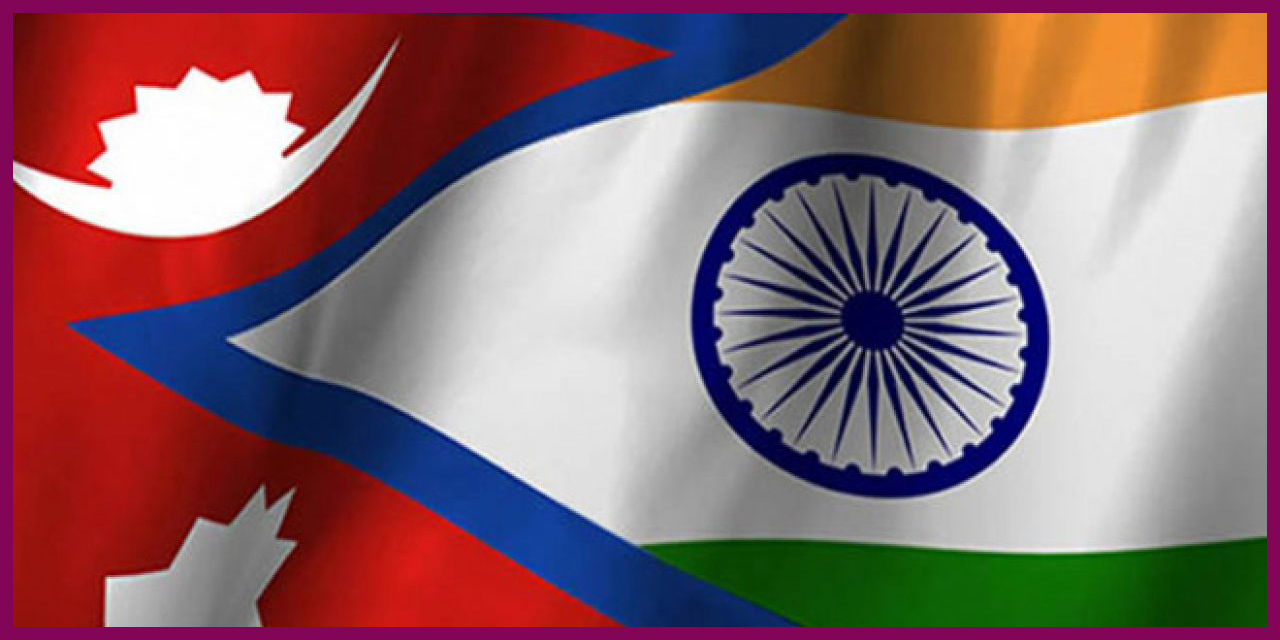
KATHMANDU: India has stepped up diplomatic efforts to resume high-level dialogue with Nepal, with newly appointed Indian Ambassador to Nepal Sudhakar Dalela preparing to arrive in Kathmandu and Indian Foreign Secretary Vikram Misri also scheduled to visit the capital.
Misri’s visit is primarily aimed at clarifying the agenda for Prime Minister Balendra Shah’s proposed visit to India and expediting high-level dialogue between the two countries.
Dalela is scheduled to arrive in Kathmandu on Tuesday, while Misri is expected to reach Kathmandu the next day.
Prime Minister Shah is likely to visit India by mid-November at the invitation of his Indian counterpart Narendra Modi. However, neither government has announced the dates or formal schedule for the proposed visit.
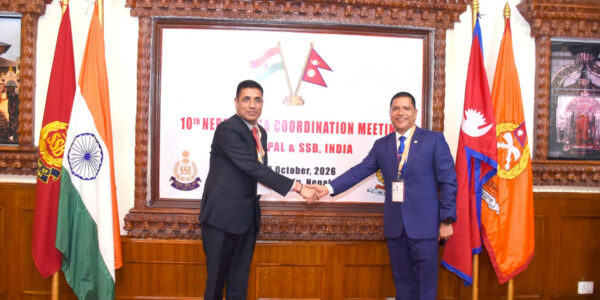
During Misri’s visit, officials of the two countries are expected to discuss issues to be raised during Shah’s India visit, priorities for bilateral cooperation and possible outcomes. The two sides are also preparing to advance existing bilateral issues through foreign secretary-level talks.
Misri’s earlier proposed visit was put on hold after a meeting with Prime Minister Shah could not be arranged. Uncertainty over the Prime Minister’s visit and the Lipulekh dispute had also complicated diplomatic engagement between the two countries. The renewed preparations for high-level visits are being seen as an effort to open a new phase of dialogue.
The success of the visits, however, will depend on more than formal meetings and exchanges of invitations. Progress on long-standing bilateral issues and the effective implementation of agreed projects will be crucial. Nepal will need to clearly articulate its priorities in its dealings with India.
Result-oriented dialogue is needed on energy trade, border management, trade and transit, infrastructure, flood and landslide risk reduction, and the implementation of bilateral development projects. Sensitive issues such as Lipulekh should also be addressed through diplomatic channels.
Prime Minister Shah is currently required to remain personally involved in several matters of government. Managing relations with India and organizing a possible high-level visit will therefore be important responsibilities for his administration.
However, Nepal-India relations should not depend solely on the prime minister’s personal engagement. It is essential to strengthen the role of the Ministry of Foreign Affairs and foreign secretary-level mechanisms. This would reduce the risk of bilateral priorities and continuity of dialogue being disrupted by changes of government.
Nepal needs to advance practical cooperation with India while keeping its national interests, sovereignty and mutual respect at the center of the relationship. Both sides should continue dialogue on areas of disagreement while pursuing cooperation where common ground can be found.
Dalela’s arrival and Misri’s visit offer an opportunity to give fresh momentum to Nepal-India relations.