 Himal Press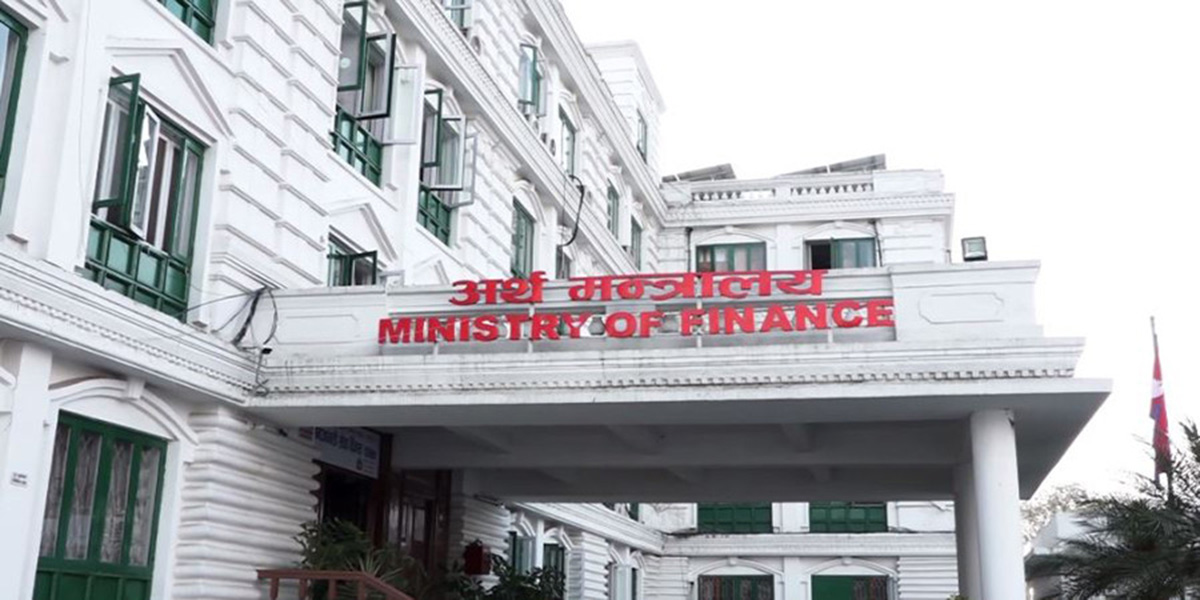
KATHMANDU: The government has made a downward revision to its economic growth estimates for the current fiscal year 2025/26.
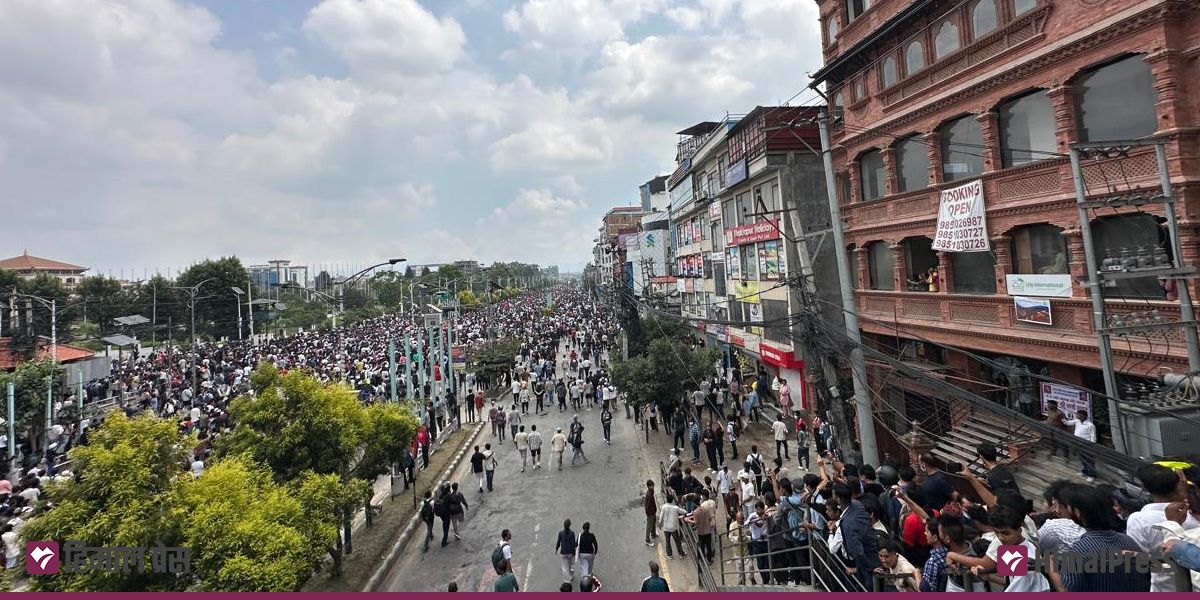
Through the mid-term review of the budget for the current fiscal year, the finance ministry has lowered its growth estimate to 3.5%, down from the ambitious 6% target announced at the beginning of the fiscal year. The downward revision reflects weak performance in key sectors, particularly agriculture and construction, as well as the damage to public and private property during the Gen Z protests in the second week of September.
The new growth target is still higher than the the World Bank’s fresh pojections made in November last year. The multilateral lender has projected that real GDP growth will decelerate to 2.1% in the curent fiscal year under its baseline scenario. The World Bank has cited recent unrest and heightened political and economic uncertainty as the reasons behind the downward revision.
The multilateral lender has estimated that growth could range between 1.5% and 2.6% depending on evolving domestic conditions.
According to the mid-term review report, the slowdown has been driven largely by a decline in paddy production, reduced cultivation area and lower productivity. In addition, sluggish activity in the construction sector and a downturn in real estate transactions have dampened overall economic momentum.
Nepal’s GDP growth was estimated at 4.6% in the last fiscal year.
According to the report, GDP at basic prices is estimated to have grown by 3% percent in the first quarter. This is slightly higher than the revised estimate of 2.9% growth recorded in the same period of the previous fiscal year.
Sectoral data show mixed performance across the economy. In agriculture, total gross value added is estimated to have expanded by 1.36% in the first quarter compared to the same period last year. The relatively modest growth reflects an anticipated decline in paddy output, although production of livestock, vegetables and fruits is expected to increase.
The government has projected higher output of crops such as maize, millet and buckwheat in the current fiscal year. In the previous year, production of major food crops—including paddy, wheat and maize—was estimated to have increased by 2.67%, while cash crops grew by 2.01%.
The industrial sector has shown comparatively stronger momentum. In the first quarter, total gross value added in industry is estimated to have expanded by 5.44 percent year-on-year. The growth is attributed mainly to increased activity in the energy and construction sectors, which are expected to have a positive spillover effect on overall industrial performance.
However, growth in manufacturing remains moderate, with gross value added in the manufacturing sub-sector projected to rise by 1.52%.
The services sector is estimated to have grown by 3.03% n the first quarter compared to the same period last year. Expansion in wholesale and retail trade, financial intermediation, public administration and defence, tourism-related activities and personal services has supported the sector’s growth.
Despite slower growth, macroeconomic stability indicators show some improvement. According to the report, average inflation stood at 1.7% during the first six months of the current fiscal year, significantly lower than 4.97% recorded in the same period last year.
While lower inflation may provide some relief to consumers and create room for supportive monetary policy, economists caution that subdued price pressures may also reflect weak domestic demand and limited economic activity.