 Himal Press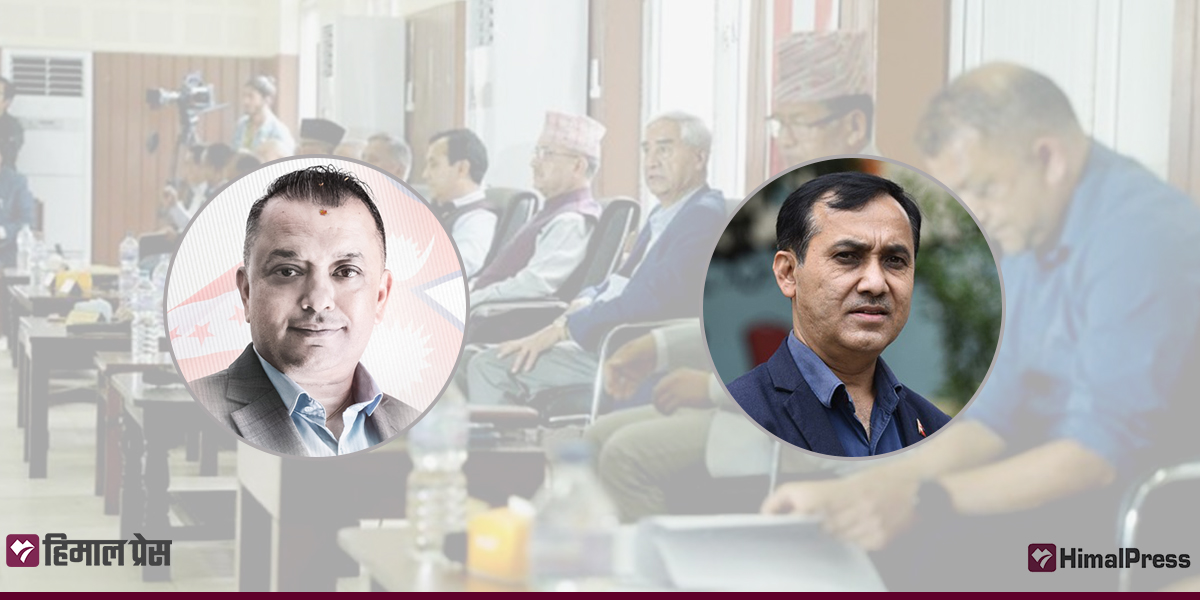
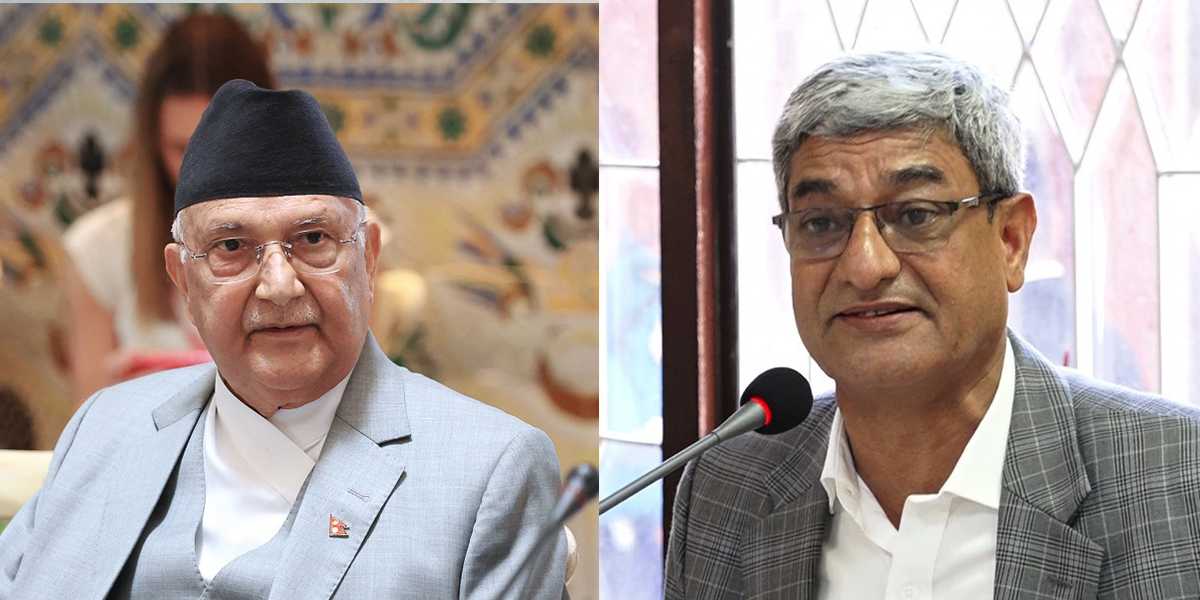
KATHMANDU: Nepali Congress (NC) General Secretaries Gagan Thapa and Bishwa Prakash Sharma have called a special convention of the party at Bhrikuti Mandap, Kathmandu, on January 11-12.
“In keeping with the provisions of Clause 3(12) and Clause 27(1) of the statute, and in accordance with Clause 17(2) of the Nepali Congress Statute, we call upon general convention representatives to participate in the Special Convention scheduled for January 11 and 12 at Bhrikutimandap, Kathmandu,” Thapa and Sharma said in a joint statement on Wednesday evening.
The two accused the party’s Central Working Committee of ignoring demands for a special convention backed by the signatures of more than 54% of general convention representatives. “We were compelled to call the special convention after the Central Working Committee failed to act,” they added.
“Under Clause 17(2) of the statute, 2,488 general convention representatives, 54.58% of the total representatives, submitted an application, citing special reasons that a special general convention was essential to strengthen the Nepali Congress in a changing political context, formulate policies in line with public sentiment, and undertake overall party reconstruction through energetic new leadership,” the statement said. “In such a situation, holding the special general convention within three months was and remains the responsibility of the central leadership. We made maximum efforts for the Central Working Committee itself to convene the convention, but this did not materialize.”
The two leaders claimed that once an application is submitted in accordance with the statute, the statute does not envisage a situation in which a special convention cannot be convened. They also argued that the statute grants no authority to anyone to declare such a convention irrelevant or unjustified.
Stating that efforts by the general convention delegates to hold the special convention by January 11 are a legitimate right of general convention delegates, the general secretaries said the special convention had become legally and politically inevitable and binding.
“Failure to convene a statute-mandated special convention, not complying with the statute, and not fulfilling assigned responsibilities goes against both the party statute and the law governing political parties,” Thapa and Sharma said. “Fulfilling these obligations under the statute and the law is the duty and responsibility of the central leadership. As responsible office-bearers of a democratic party, it is our legal and moral obligation. We must and will discharge that responsibility.”
Meanwhile, the Nepali Congress Central Party Office has called on party ranks not to participate in any convention or special general convention convened by individuals.