 Himal Press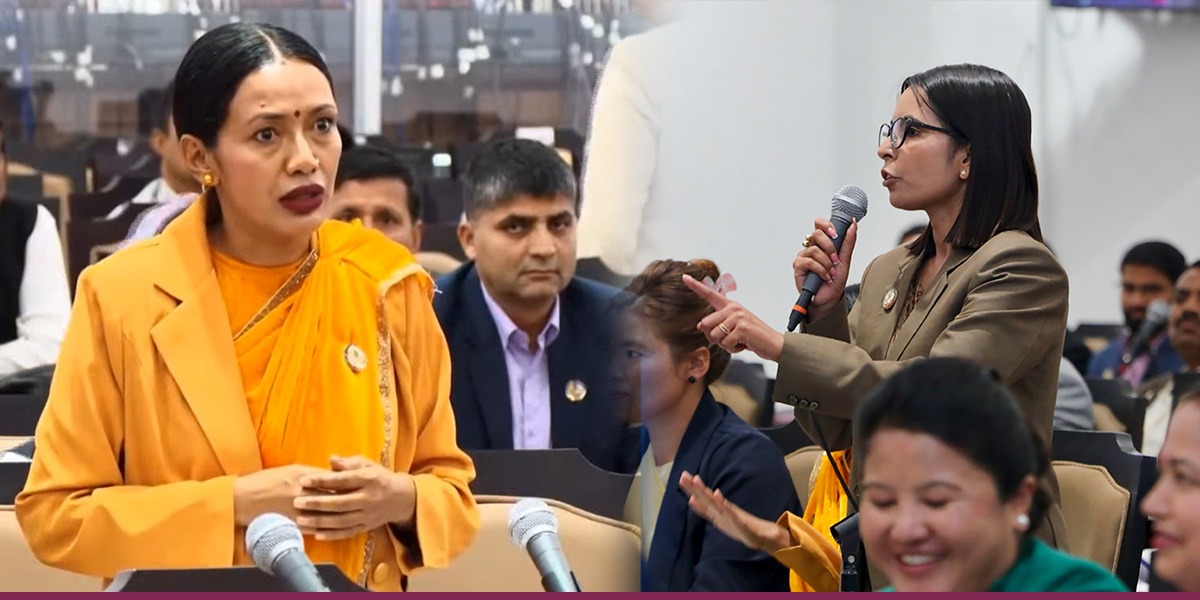
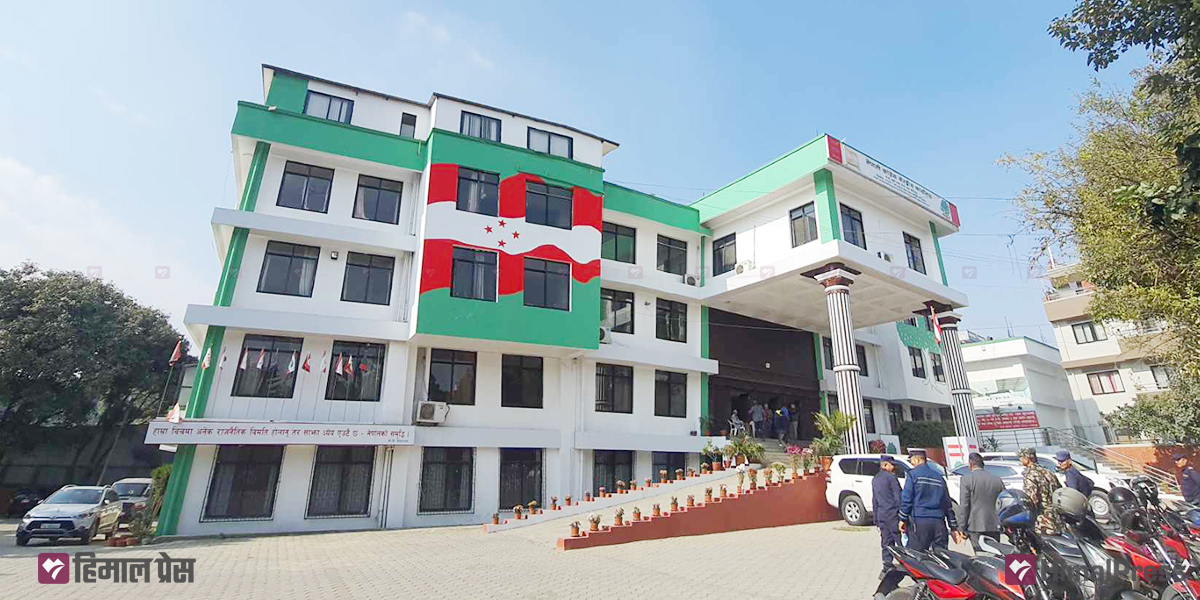
KATHMANDU: The Rastriya Swatantra Party (RSP) is the largest political party in the country. A significant number of lawmakers in the party, which is leading the government with a two-thirds majority, belong to the younger generation.
Expectations are naturally higher for these MPs who represent the new generation, are well-educated and reached parliament promising change. It is often heard that the party provides them with training from time to time. Despite this, their behavior is reminiscent of social activists merely aiming to boost “views” on social media.
The scene witnessed in the meeting of the House of Representatives on Tuesday has raised questions over these expectations: when will lawmakers conduct themselves in line with the dignity and decorum of parliament?
Parliament is the supreme representative institution of the people. The questions raised, debates conducted and disagreements presented there must transcend personal impulses. However, the exchanges of sharp words, allegations, counter-allegations and uproar between ruling and opposition lawmakers have tarnished the dignity of the House.
On Tuesday, Speaker Dol Prasad Aryal had to direct RSP lawmaker Ashika Tamang to maintain the decorum of the House. Tamang, who sought further clarification after being dissatisfied with the answer provided by Minister for Foreign Affairs Shishir Khanal, was informed by the Speaker that there was no remaining time for follow-up questions under the rules of procedure.
Even after the Speaker repeatedly asked her to take her seat, she stood her ground, prompting the Speaker to warn her to keep parliamentary dignity and decorum in mind. Ultimately, Tamang left the meeting muttering in discontent.
After exiting parliament, Tamang criticized the Speaker and the House on social media. “The foreign minister is standing at the rostrum for a Q&A session. When the minister gave the same evasive answer regarding the issue of unclaimed bodies, what kind of House is this where I am not allowed to ask a question? Why was a budget of 150 million rupees allocated in the name of unclaimed bodies?” she wrote on her Facebook page.
During the meeting, remarks by another RSP lawmaker, Tika Sangroula, invited further controversy. Claiming that the Gen Z movement of last September occurred due to the parties that ruled the country for a long time in the past, she made sharp political comments directed at opposition lawmakers. Stating that families of those who lost their lives in the movement are still in mourning, she questioned the opposition lawmakers, “With what courage are you saying you will run the government?”
Following Sangroula’s remarks, opposition lawmakers stood up to protest. CPN-UML MP Sajida Siddiqui countered by accusing the current government of running a “rule of goons”. She demanded that those speaking of the Gen Z movement must also answer for the police firing carried out by the government in Siraha.
Afterward, Sangroula demanded that Siddiqui’s remarks be expunged from the parliamentary record. As heated arguments escalated between the two sides, uproar ensued in the meeting.
Another RSP lawmaker, Sulabh Kharel, faced criticism during Monday’s meeting for speaking about party activities. After he began speaking about party organization, the Speaker had to stop him, stating that he had strayed off-topic.
A few days ago, another RSP lawmaker, Khagendra Sunar, faced intense criticism on social media after making factually unfounded remarks questioning police work, investigation procedures and the role of security agencies in a House committee meeting. The list of RSP lawmakers involved in controversy is long. Harka Sampang, who is also the chairperson of the Shram Sanskriti Party, occasionally gets dragged into controversies as well.
It is not unusual for lawmakers to criticize activities of the government in parliament. The job of the opposition is to question the government, and it is natural for the ruling side to defend its policies and actions. However, the limits of questioning and counter-arguments are breaching the boundaries of parliamentary decorum.
This issue is even more serious for RSP lawmakers, who claim to be the torchbearers of a new political culture. New lawmakers, who won votes by questioning the working style of older parties and leaders, should not limit themselves to repeating those same old styles.
Being young, educated, and elected from a new party is not enough on its own. Parliamentary discipline, restraint and democratic values must also become the identity of the new politics.
Parliament is not a place for shouting street slogans. Words carry weight there, records hold significance and every statement carries the dignity of the institution. If lawmakers allow their personal dissatisfaction, political anger and momentary impulses to override parliamentary decorum, it weakens not just the party, but the entire parliamentary system.
Greater maturity is expected especially from the lawmakers of the largest party leading a two-thirds majority government. While claiming to represent a new parliament, a new generation, and a new political force, a new culture must also be visible in practice. Tuesday’s incident has once again raised a serious question: when will MPs become decorous?