
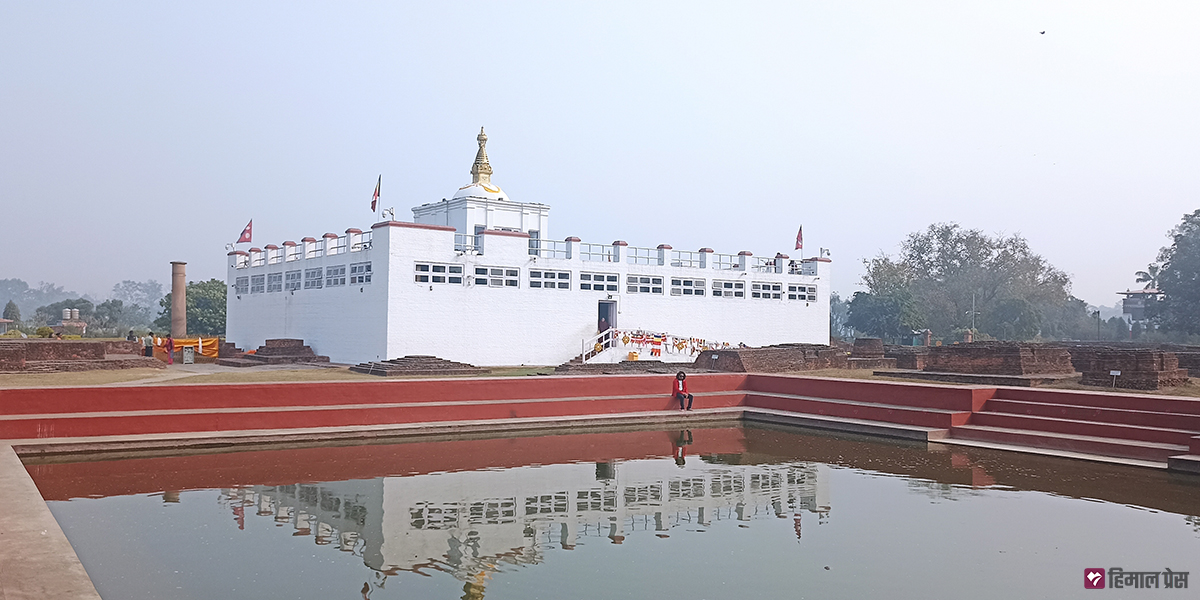
 Mayadevi Temple (File Photo)
LUMBINI: The 48th session of the UNESCO World Heritage Committee, held in Busan, South Korea, has decided not to place Lumbini—the birthplace of Buddha—on the List of World Heritage in Danger. It, however, issued a series of recommendations for the conservation of the World Heritage site.
The committee held a separate discussion on Lumbini and concluded that the site would not be listed as endangered this year, citing positive efforts made toward heritage conservation.
The committee granted Nepal time until January 1, 2027, noting that the government has implemented recommendations issued in 2024 and 2025. Acting Member Secretary of the Lumbini Development Trust (LDT) Gyanin Rai said the decision reflected a positive assessment of ongoing initiatives and commitments to ensure the site’s long-term preservation.
Rai said Lumbini avoided being placed on the danger list because the committee’s recommendations had been implemented in policy and practice.
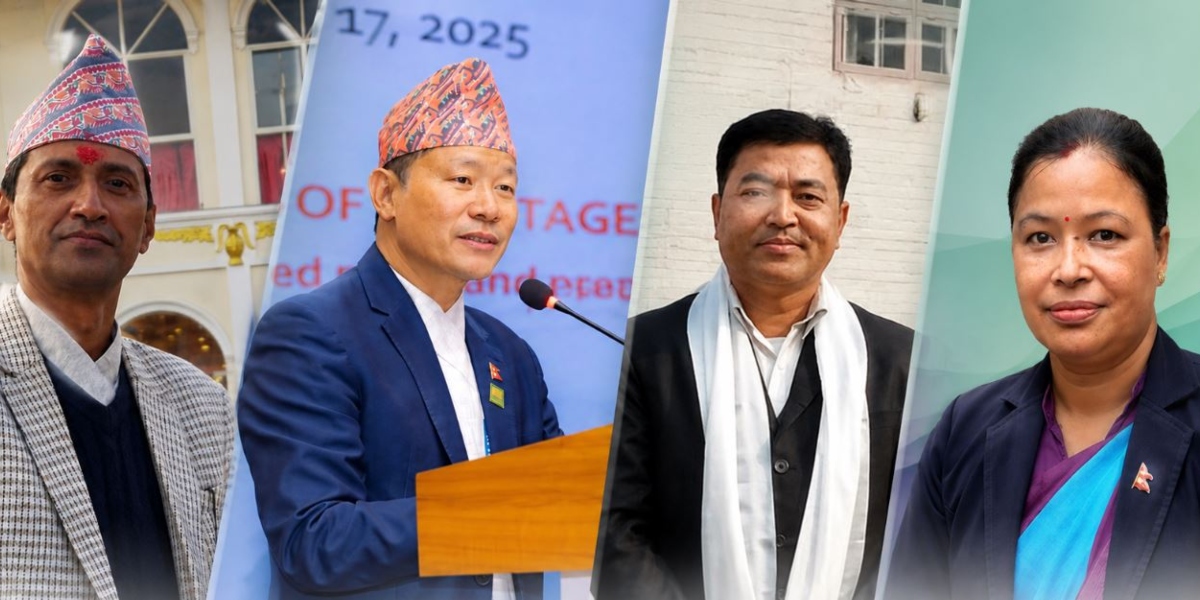
The UNESCO meeting, held from July 19 to 29, was attended by a Nepali delegation led by Mukunda Prasad Niraula, secretary at the Ministry of Culture, Tourism and Civil Aviation. The delegation included Nepali ambassador to UNESCO Sudhir Bhattarai, Gyanin Rai and Director General of the Department of Archaeology Saubhagya Pradhananga, among others.
The delegation held formal and informal discussions with committee member states, ministers, ambassadors, the director of the World Heritage Center, regional cultural officials and ICOMOS representatives on ensuring effective protection and conservation of World Heritage sites.
According to Rai, the positive decision came as Nepal had taken steps to address concerns raised in previous sessions.
Similarly, Pradhananga said Lumbini was not included in the danger list due to progress made on conservation issues raised earlier. She said the positive outcome was possible as the Department of Archaeology and the Lumbini Development Trust had taken a sensitive approach for the conservation of the Maya Devi Temple.
UNESCO had previously raised concerns about water leakage, structural impacts and other environmental issues affecting archaeological remains. Officials say those concerns have been addressed.
At the committee’s 46th session in New Delhi in 2024, a proposal had been tabled questioning why Lumbini should not be placed on the danger list. An amendment proposed by India at the time helped prevent Lumbini’s inclusion in the list. Since then, Nepal has been implementing the committee’s recommendations, according to the Ministry of Culture, Tourism and Civil Aviation.
In its report submitted to the committee, the government said it organized the Lumbini International World Heritage Conference in April 2025, reconstituted the International Scientific Committee, and implemented recommendations from the 2022 Reactive Monitoring Mission.
Regular monitoring of the Maya Devi Temple area and efforts to introduce an integrated management system have also contributed to the decision.
Himal Upreti, senior archaeological officer of the LDT, says progress has included removing a false ceiling inside the Maya Devi Temple, fixing water seepage issues, monitoring the Ashoka Pillar for temperature and environmental effects, and working closely with the local community as per the suggestions of experts and the ICOMOS team.
Despite the positive outcome, tourism entrepreneurs stressed the need for sustained efforts to conserve the heritage site. Hotel Association Nepal (HAN) Lumbini President Lilamani Sharma urged the concerned officials to find a permanent solution to the underlying issues.
“Rather than celebrating that Lumbini avoided the danger list, we should aim to take pride in making it one of the best World Heritage sites,” Sharma said, calling for coordinated efforts to identify and resolve root causes of past risks.
UNESCO, ICOMOS and advisory missions have conducted multiple assessments of Lumbini since 2004, highlighting risks such as air pollution, nearby industrial activity, urban encroachment and policy gaps. More recent concerns included construction within the Sacred Garden and environmental impacts on archaeological remains.
Committee directives
The committee has asked Nepal to submit an updated state of conservation report by February 1, 2027, for review at its 49th session.
The committee’s directives, among others, include using archaeological risk maps to protect remains within the Sacred Garden, ensuring conservation of relics inside the Maya Devi Temple, and completing and approving detailed physical plans and sectoral strategies before implementing a proposed World Bank project.
The committee also called for recognizing intangible Buddhist traditions in management plans, facilitating participation of Buddhist organizations in decision-making, conducting Heritage Impact Assessments for construction, reviewing Kenzo Tange’s master plan, updating visitor management strategies and strengthening institutional capacity.
It further recommended conducting a feasibility study on the possible removal or relocation of the Maya Devi Temple structure if necessary.
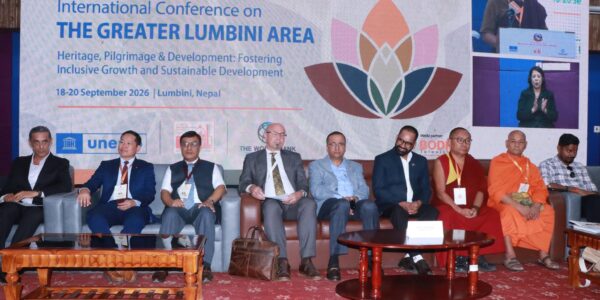
Likewise, it called for a broader conservation strategy and action plan for the Greater Lumbini Area.