 Himal Press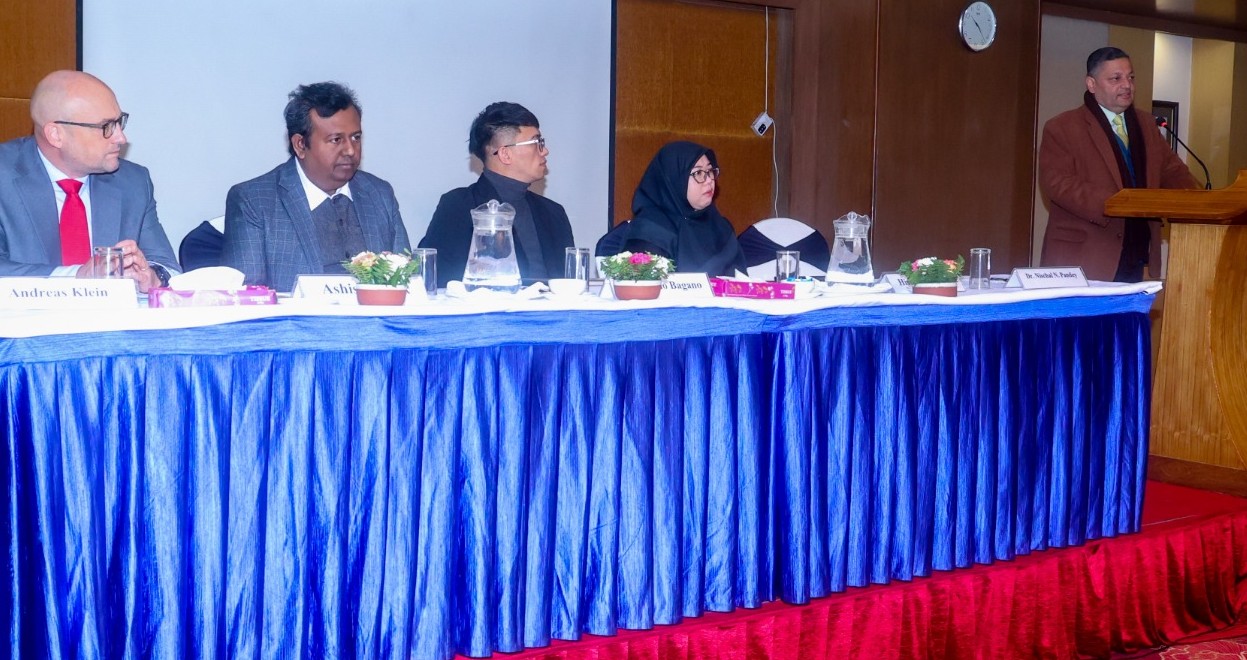
KATHMANDU: A spark ignited on the screens of Facebook, Instagram, X, and TikTok grows into a blaze powerful enough to topple an entire government and bring political parties to their knees. Millions of young people pour into the streets, chant slogans, and rewrite history. This is not a film script. It is the lived reality of South and Southeast Asia, where Generation Z (Gen Z) has proven adept at disruption but remains uncertain about governance due to a lack of experience in running the state.
These young protesters have also exposed the lifestyles of the children of politicians and administrators who rose through politics and long dominated the state machinery, deriding them as “nepo babies” and turning that anger into a movement. Such resentment has existed in South and Southeast Asia for nearly four decades, but technology has now made it far more effective and accessible.
The political changes witnessed in the region over the past two decades are not sudden eruptions in isolated countries. They are the outcome of a long process born of weakening state capacity, eroding institutional trust, and growing disillusionment with leadership. Social media has enabled young people to organize rapidly, spread alternative information, and expose state falsehoods. The ability of a 15-second TikTok video to draw millions into the streets is Gen Z’s defining power.
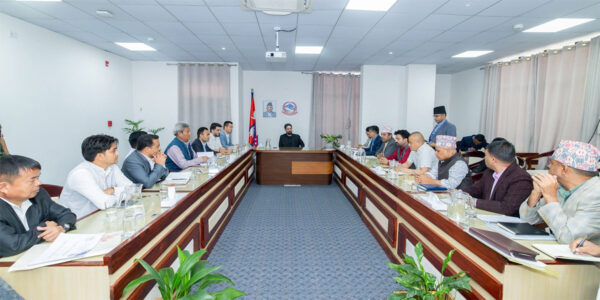
Against this backdrop, the Consortium of South Asian Think Tanks (COSATT) organized a two-day conference in Kathmandu last week. The event brought together young leaders, security experts, political scientists, diplomats, and journalists from six South and Southeast Asian countries—Nepal, India, Bangladesh, Sri Lanka, the Philippines, and Indonesia. Across six sessions, they debated the historical trajectory, current dynamics, and future direction of youth movements.
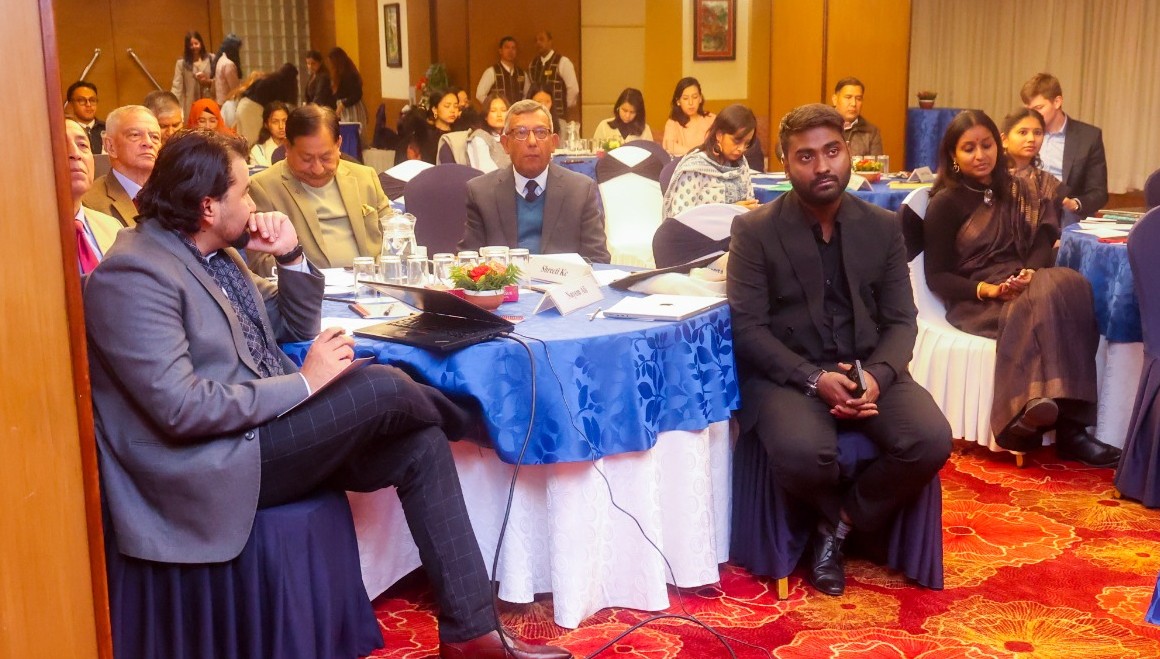
Held under the theme ‘Youth Movements in South and Southeast Asia: Aspirations, Transition, and the Road Ahead’, the confrence featured discussions ranging from the moment Sri Lanka’s presidential palace was occupied and the night Bangladesh’s prime minister fled, to scenes of government buildings burning in Nepal, the revocation of parliamentary privileges in Indonesia, and the leadership of students in India’s CAA protests and farmers’ movement.
A recurring question amid this discussion was—is destruction alone enough to bring change? Or does a revolution without good governance become a crisis in itself?
Participants of the conference analyzed the evolution of youth movements over recent decades. They agreed that social media platforms such as X (formerly Twitter), Facebook, TikTok, Discord, and Instagram have given young people the capacity to organize swiftly, circulate information, and challenge official state narratives.
These movements have led to changes in government in some countries, while they have created pressure for systemic reform. Participants stressed that youth activism has, in many cases, succeeded in shaking power.
In recent years, Sri Lanka saw both its president and prime minister flee; Bangladesh’s prime minister also fled; in Nepal, the army intervened to protect the state, but could not prevent historic buildings from burning.
Addressing the opening ceremony, COSATT Convener and Head of the Centre for South Asian Studies (CSAS), Dr. Nishchal Nath Pandey, outlined the causes of youth anger and described Gen Z movements not merely as generational impulses, but as signs of a deteriorating relationship between the state and its citizens. “Anger has emerged in South and Southeast Asia not only because states are weak, but because power has been captured by insiders—prioritizing ‘our own’ over merit,” he said.

Stating that attempts to run politics from the streets risk deepening the divide between the state and citizens, he said Nepal, Sri Lanka, and Bangladesh are recent examples, while the Philippines, Indonesia, and India offer earlier ones. “Movements can shake systems and narrow the distance between citizens and politics,” Pandey said. “But running a state requires institutional capacity. In today’s digital age, that capacity no longer demands growing old; experience and learning are accessible to all.”
His remarks resonated strongly with Sri Lanka’s experience. Former colonel and Executive Director of the South Asia Sustainability and Security Research Institute, Nalin Herath, shared the inside story of the Aragalaya movement. “Youth anger against economic collapse, political arrogance, and dynastic rule did more than remove the Rajapaksa family from power; it led to the occupation of the presidential palace, while the prime minister fled. However, state structures were not widely destroyed. The protesters protected state institutions but drove the rulers across the sea,” Herath said.
He added that it was painful to see state and public property burned in Nepal, even though Gen Z succeeded in forcing rulers to bend. “Nepal’s security forces lead global peacekeeping missions. Ye, they failed to control two or three hours of chaotic protests at home,” he said. “Over time, this will change the global narrative about the Nepali Army. The leadership must take such concerns seriously.”
Nayem Ali, press secretary to the chief adviser of the interim government of Bangladesh, described the period after the fall of the Hasina regime as the most personally liberating experience of his life. An active participant in the Gen Z movement, he said Bangladeshi citizens now feel safer and freer.
Ashish Banik, deputy director of the Bangladesh Enterprise Institute, however, pointed to a growing institutional vacuum following the protest. Linking events from the quota reform movement to the present, he said, movements cannot become the state. “The cycle of repression and resistance has only made democratic demands more complex,” he added.
R. Preetha of Stella Maris College, Chennai, shared how youth movements in India have created policy pressure rather than merely changing governments.
Similarly, Shweta Singh, associate professor at the South Asian University, said youth movements in her country were not party-centric. “These protests exert pressure on long-term structural issues. During the 2019–2020 protests against the Citizenship Amendment Act (CAA), students forced the government to retreat on the law’s implementation,” she said. “Similarly, in the 2020–2021 farmers’ movement, young farmers used social media to repeal the three farm laws.”
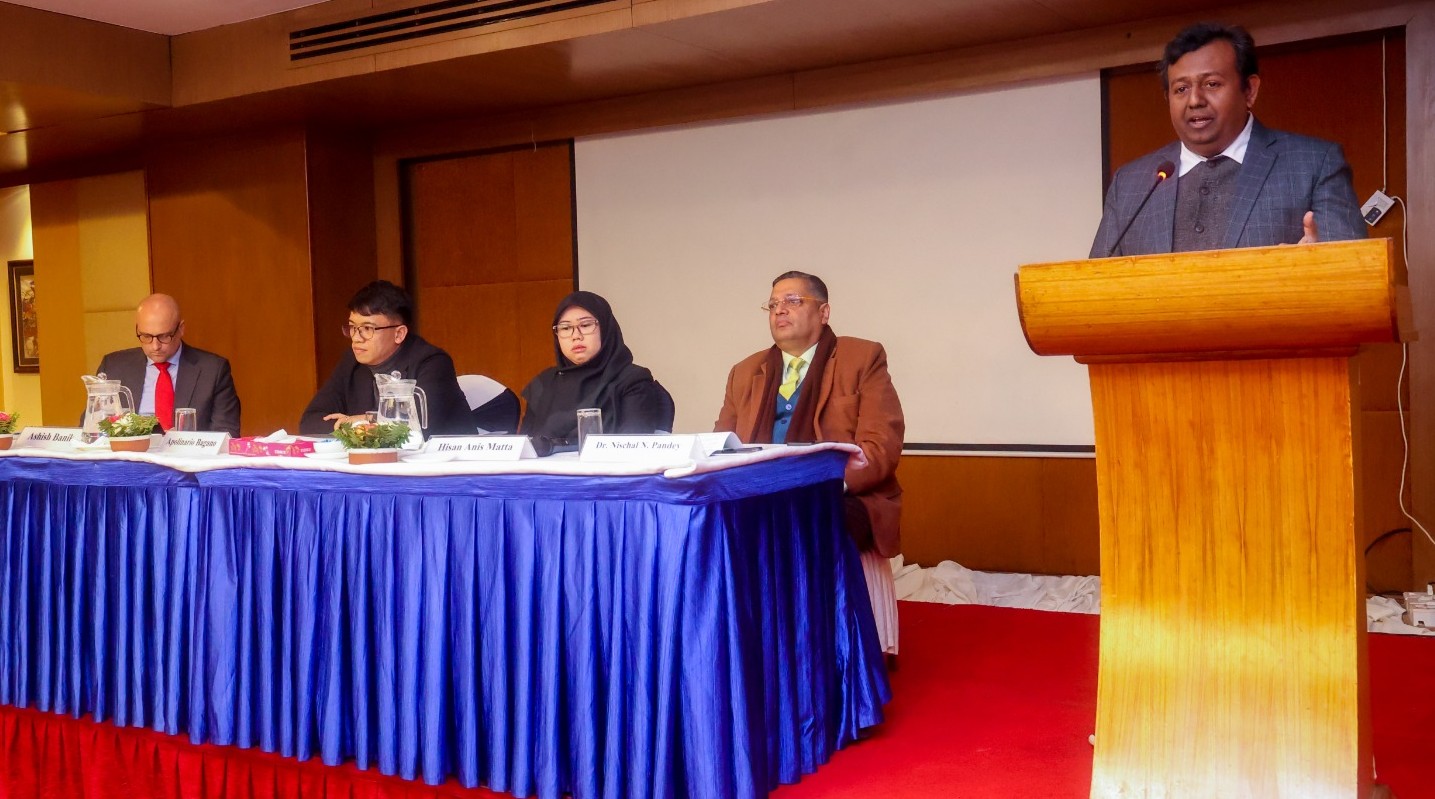
Youth activist Janak Pokhrel and Kathmandu University’s Shriti KC highlighted the gap between the energy of movements and their organizational weaknesses in their presentation. “Movements raise questions, but answering them requires institutional structures,” Pokhrel said. “Gen Z’s discontent in Nepal is intense, but how that energy will translate into long-term good governance remains an open question.”
Ranju Darshana from the Rastriya Swatantra Party (RSP) said people, disillusioned with traditional parties, are searching for new political actors. “Fading faith in established parties, digital activism, and the appeal of new faces have pushed Nepali politics into a new phase,” she said. “This has also posed a risk: young people are entering politics, but the process of learning to govern is still incomplete.”
Indonesia’s Hisan Anis Matta said people have felt gradual improvements in governance following youth movements. “It has brought the issues of unemployment and economic pressure to the forefront. The movement has pushed the government to pursue reforms, but the future remains uncertain,” she added.
Likewise, Apolinario Bagano of the Philippines said the movement has influenced politics in the Philippines by raising issues of economic inequality and unemployment. “However, as discussed at the conference, it has not been able to fully shake the government. This transition may bring reforms in the future,” he added.
In his closing remarks, Andreas Klein, Director of the Konrad Adenauer Stiftung, called for more such debates.
Sharing conference outcomes, Dr. Pandey said Gen Z has already shaken the system. “The challenge now is to convert that energy into institutionalized good governance,” he added.also govern it.