 Himal Press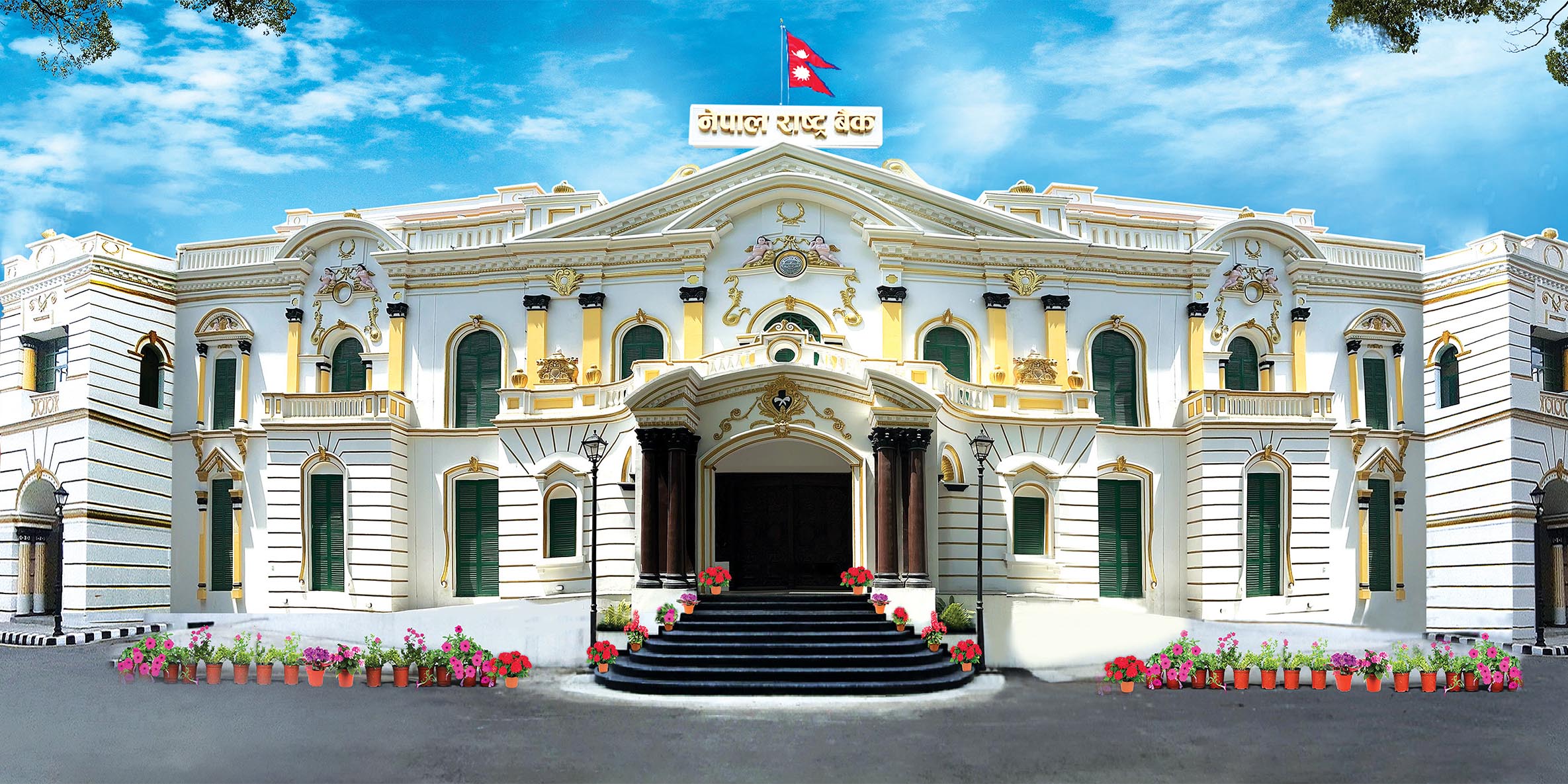
KATHMANDU: Nepal Rastra Bank (NRB) has announced a series of relief measures for businesses hit by the recent Gen Z protest.
Amended in the Consolidated Circular on Friday, the central bank directed banks and financial institutions (BFIs) to restructure and reschedule loans for affected enterprises by mid-January 2026. According to NRB, such loans will retain the same classification status they held at the end of the last fiscal year (mid-July 2025) when being restructured or rescheduled, and BFIs must make loan-loss provisions accordingly.
Businesses directly impacted by the protests, as well as those with forward and backward linkages to them, can apply for restructuring by paying 5% of the accrued interest. Similarly, firms affected by natural disasters at Tatopani and Rasuwagadhi customs points are also eligible for restructuring and rescheduling until mid-January 2026.
Recognizing that many industries will take time to resume operations, NRB has allowed BFIs to provide loans at base rate plus a maximum 0.5% premium for the pre-operation period. The central bank has also deferred, for one year, the rule that requires classifying loans under special monitoring if the debt-equity ratio exceeds 80:20.
To replace vehicles destroyed during the protests, NRB has raised the loan-to-value (LTV) ratio to 80%, up from the current 60% limit applied to private and electric vehicles. This means borrowers will only need to make a 20% down payment for new vehicle purchases.
“To ensure the employment of workers in industries, businesses, commercial establishments and economic activities directly affected by the extraordinary situation created during the Gen Z protest, if an employer requests a loan through the banking system to provide salaries under the Payroll Protection Scheme, licensed institutions must extend such loans at the base rate plus a maximum premium of 0.50%,” the circular states.
Such loans can be disbursed till businesses resume their operation or for one year, whichever is lower. The government will subsidize 2% interest on these loans for up to six months.
In a further incentive, NRB has allowed BFIs to cap the lending rate at base rate plus a maximum 1% premium for industries that employ at least 100 women, achieve 25% value addition and export 25% of their output.