
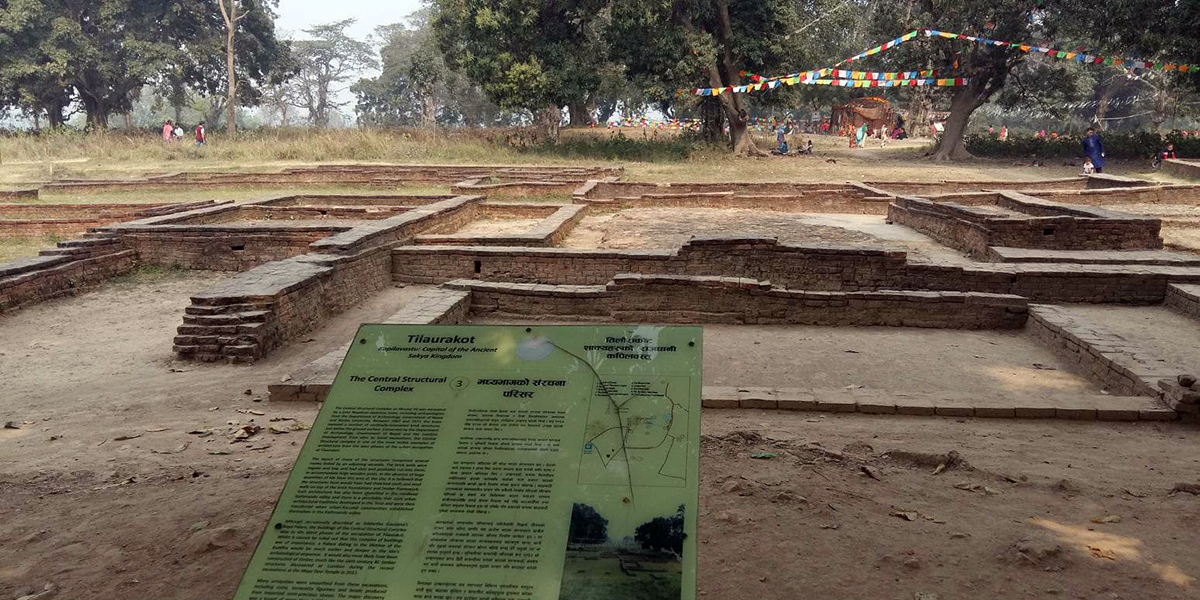
BUTWAL: Nepal’s bid to have Tilaurakot, the ancient capital of the Shakya republic and believed to be Gautam Buddha’s hometown, inscribed on the UNESCO World Heritage List has failed, at least for now.
The decision came during the ongoing 47th session of the World Heritage Committee in Paris. Despite being recognized as the city where Buddha spent the first 29 years of his life, Tilaurakot (ancient Kapilvastu) did not make it to the list.
UNESCO’s technical advisory body, ICOMOS, had earlier recommended placing Tilaurakot in the “proposed for deferral” category during its evaluation. Since none of the 21 member states proposed an amendment to this recommendation in the 47th session of the World Heritage Committee, the proposal was not taken forward.
“None of the member countries proposed a revision in our favor,” said Sanuraja Shakya, member secretary of the Lumbini Development Trust (LDT). “When the member states fully endorsed the ICOMOS proposal, our proposal was effectively dropped.”
While the ICOMOS report on Tilaurakot was adopted without changes, Japan submitted an amendment proposal supporting the inclusion of India’s “Maratha Military Landscape”, which then received support from other member states.
According to sources, neighboring India not only remained silent on Nepal’s proposal but actively lobbied against it. Indian officials reportedly wrote to UNESCO, pressuring it not to move forward with Nepal’s nomination of Tilaurakot.
It is understood that Indian representatives met with various committee members, urging them not to amend the recommendation for deferral. India has long claimed that the Shakya capital was located in Piprahwa and Ganwaria, in Uttar Pradesh’s Siddharthnagar district.
The failure of the bid has deeply disappointed Nepali officials, who had expected Tilaurakot to be inscribed on the World Heritage List during this session, following years of research and documentation.
Kapilvastu Mayor Sudip Paudel said he had been optimistic about the listing. While the local government remains committed to heritage preservation, he admitted that diplomatic efforts had been insufficient. “We are ready to provide support at the local level,” said Paudel. “But there is a need to strengthen diplomatic efforts.”
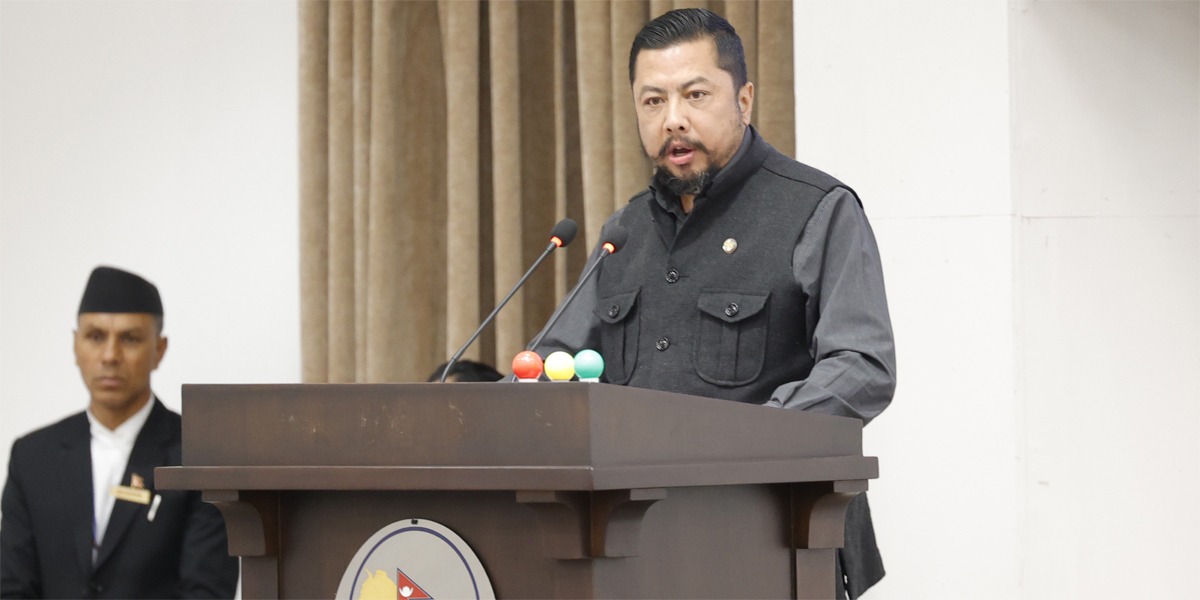
A high-level Nepali delegation had travelled to France to advocate for the listing. It included Minister for Culture, Tourism and Civil Aviation Badri Prasad Pandey; Lumbini Development Trust Vice Chairperson Dr Lharkyal Lama, Joint Secretary Suresh Shrestha and LDT’s Senior Director Gyanin Rai.
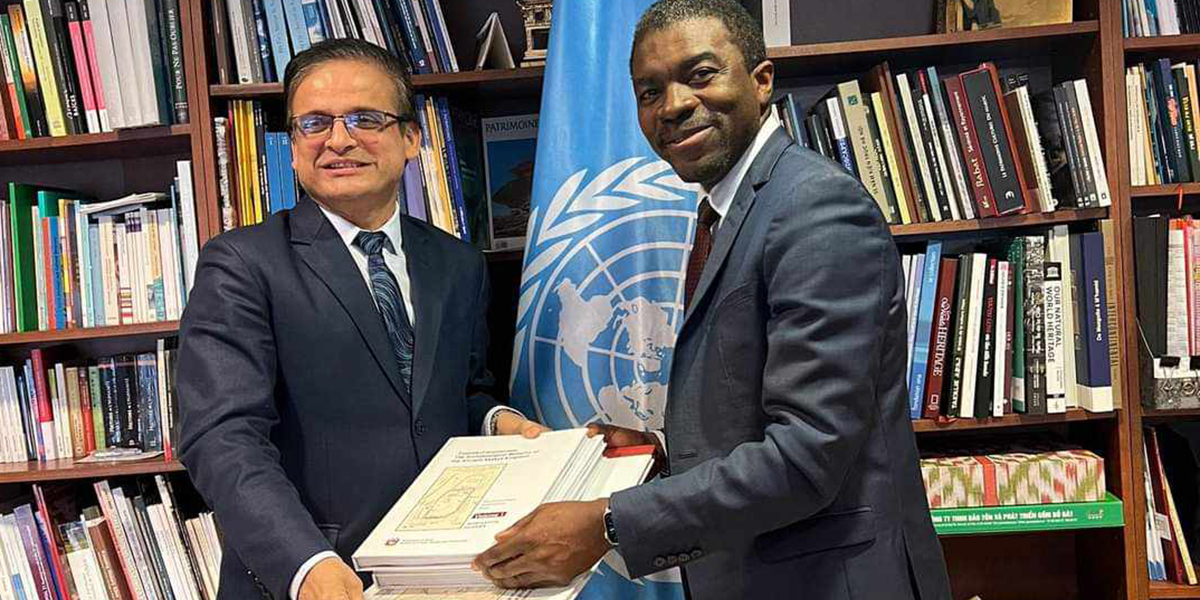
Nepal had submitted a nearly 1,000-page final nomination dossier for Tilaurakot to UNESCO through its Permanent Representative to UNESCO and Ambassador to France, Dr. Sudhir Bhattarai, in January.
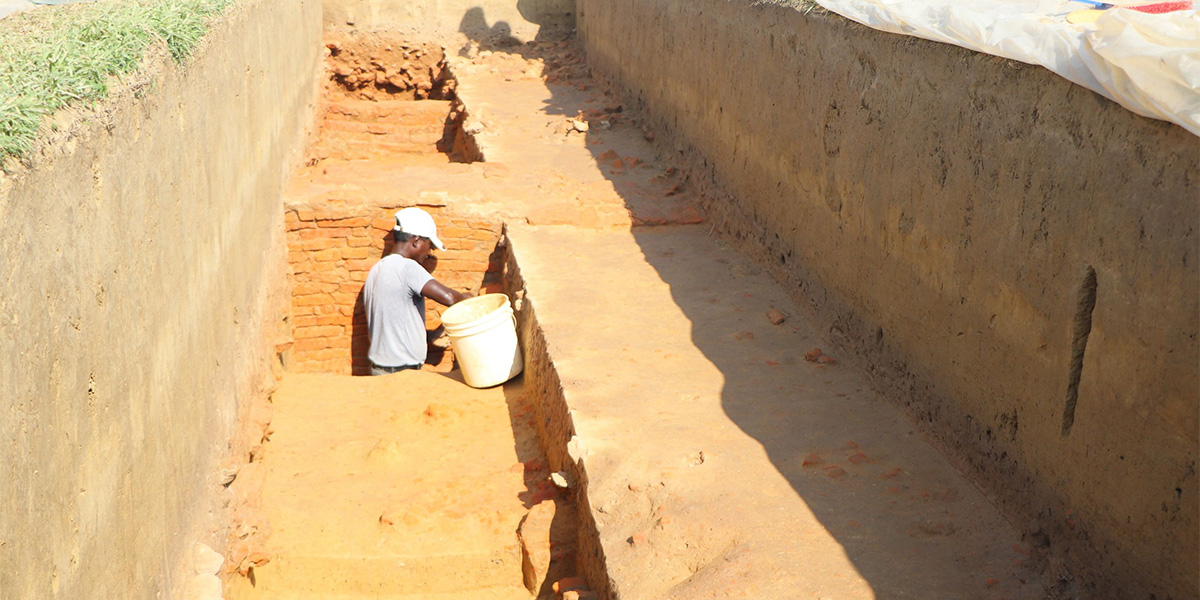
Scientific archaeological excavations led by Professor Robin Cunningham of Durham University since 2014, under the UNESCO Japanese Funds-in-Trust Project, had provided substantial evidence to support the nomination.
LDT and the concerned stakeholders had also held multiple rounds of consultations with international heritage experts at the Tilaurakot site.
Among the experts involved in drafting the final nomination were Dr. Duncan Marshall (Australia), Prof. Robin Cunningham (UK), as well as experts from Nepal, including Kai Weise, Prof Yukio Nishimura, Prof Max Deeg and Dr Mark Manuel.
UNESCO placed Tilaurakot on its Tentative List as a potential World Heritage Site back in 1996.