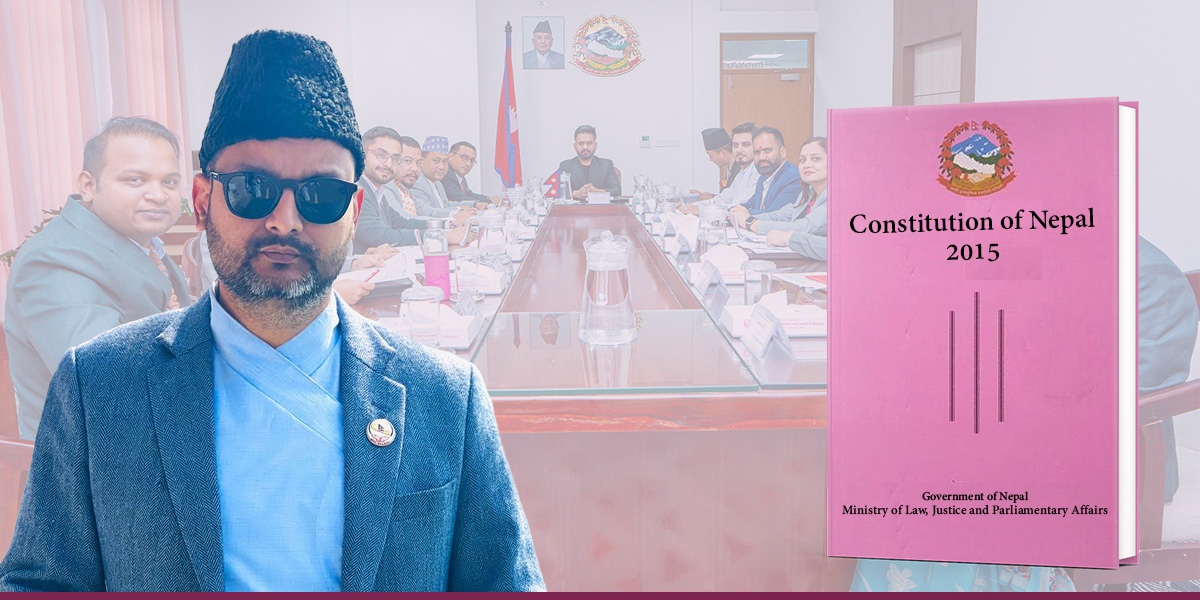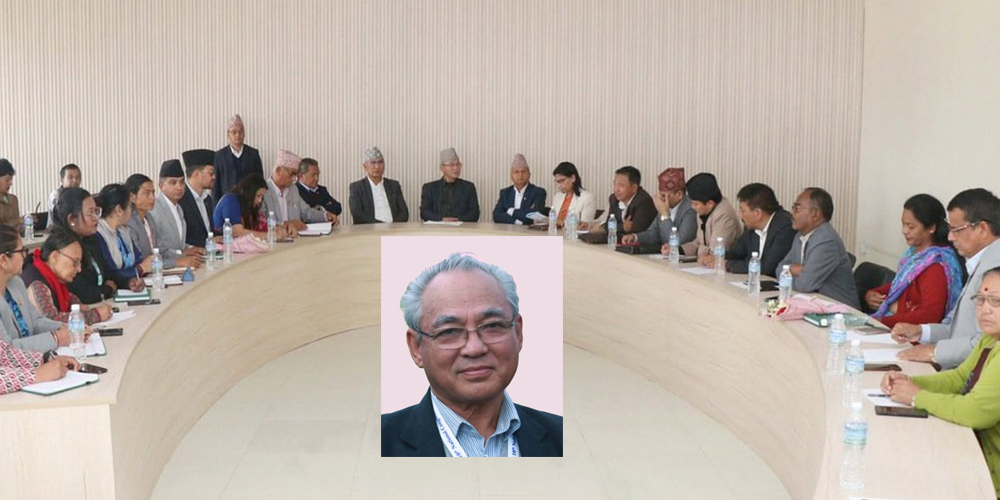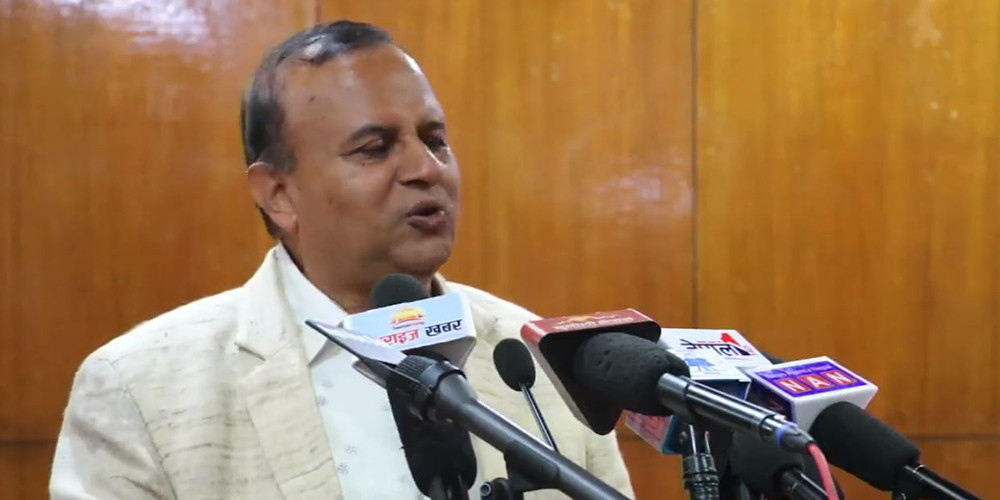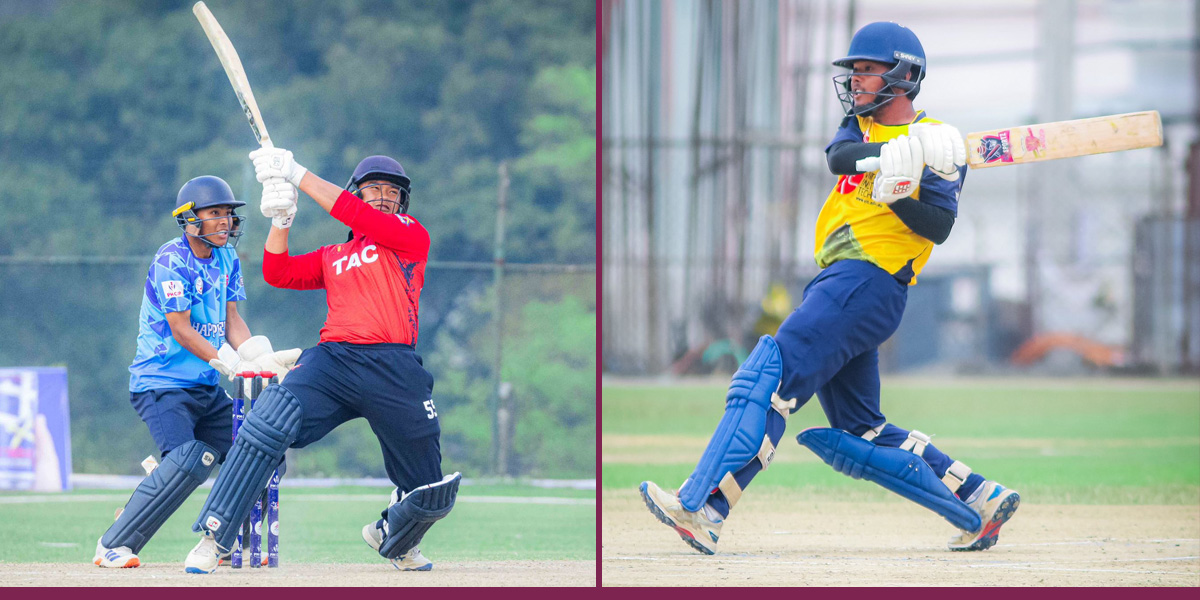

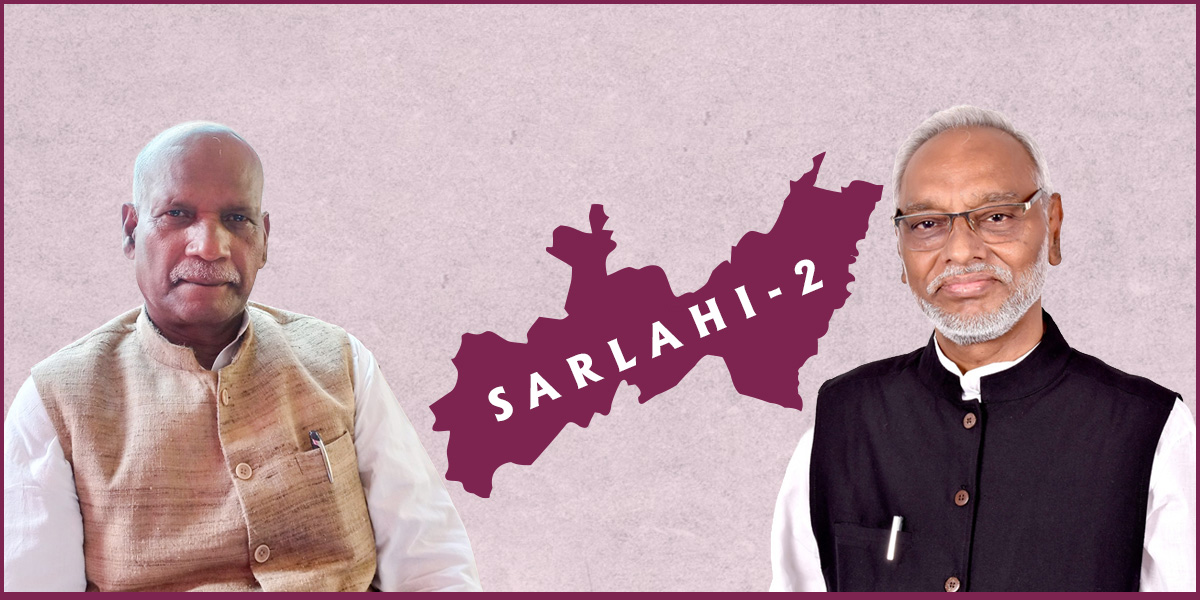
 This combo photo shows Mahindra Raya Yadav (left) and Rajendra Mahato.
KATHMANDU: It has been four years since Rajendra Mahato last entered the House of Representatives. He was last elected to the lower house from the Dhanusha-3 seat in the 2017 elections, following the Madhes movement.
Mahato, who quit the Loktantrik Samajwadi Party (LSP) Nepal two years ago to form the Rashtriya Mukti Party under his own leadership, contested Dhanusha-3 with tacit support from then prime minister KP Sharma Oli. To facilitate Mahato’s win, the CPN-UML did not field a candidate in Dhanusha-3. Ram Singh Yadav of the CPN (Maoist Centre), who contested as the left alliance’s common candidate, secured only a marginal vote share.
Mahato, however, chose not to return to Dhanusha-3 in the 2022 election, as the UML fielded Julie Mahato, wife of party secretary Raghubir Mahaseth, from the constituency. He instead returned to his old stronghold, Sarlahi-2, considering it a safer seat.
That calculation proved costly, as Mahato was defeated by his long-time associate Mahindra Ray Yadav of the Nepal Samajbadi Party (NSP), who contested the election using the Maoist Centre’s election symbol. Yadav secured 23,529 votes, while Mahato received 21,518.
Now, Mahato and Yadav are once again facing each other in Sarlahi-2 in the March 5 election. Yadav is contesting as a candidate of the Nepali Communist Party (NCP). Other candidates in Sarlahi-2 include Dr Saroj Kumar of the Nepali Congress, Nageshwar Sah of the UML, and Bharat Chaudhary of the Janata Samajbadi Party (JSP) Nepal.
The rivalry between Mahato and Yadav is deeply rooted in Sarlahi’s politics, with the two having crossed paths repeatedly over the decades.
Yadav first contested the 1991 election as a candidate of the CPN (Manandhar) and was defeated. He later joined the UML and won the 1995 and 1999 elections from Sarlahi-1. After the 2006 people’s movement, he left the UML and joined the Tarai Madhesh Loktantrik Party (TMLP), formed by veteran Nepali Congress leader Mahanta Thakur. He was later elected to the Constituent Assembly as a proportional representation (PR) member from the party.
Mahato contested the House of Representatives election from Sarlahi-2 as a candidate of the Nepal Sadbhavana Party but was defeated. He also lost in 1991 but went on to win the 1999 election by defeating former prime minister Surya Bahadur Thapa. In 2008, he contested the Constituent Assembly election from Sarlahi-4 as a candidate of the Sadbhavana Party—formed after a split in the Nepal Sadbhavana Party—and was elected.
The two leaders first faced each other in the 2013 Constituent Assembly election in Sarlahi-2. At the time, Yadav was chairperson of the Tarai Madhesh Sadbhavana Party, while Mahato led the Sadbhavana Party. Yadav defeated Mahato by 2,744 votes.
Ahead of the 2017 polls, six Madhes-based parties merged to form the Rastriya Janata Party (RJP), making the two leaders party colleagues. In that election, Yadav won from Sarlahi-2, while Mahato emerged victorious from Dhanusha-3.
They again contested against each other in Sarlahi-2 in the 2022 election, where Yadav defeated Mahato.
Data favors NC
The Sarlahi-2 constituency comprises Malangawa and Haripurva municipalities, and Parsa, Brahmapuri, and Kaudena rural municipalities. It also includes wards 8, 9, and 10 of Kabilasi Municipality; wards 5, 6, 7, and 8 of Bishnu Rural Municipality; and Ward-15 of Ishwarpur Municipality.
In the 2022 local elections, the Nepali Congress chiefs and deputy chiefs of all these local units. The Nepali Congress looks very strong in the constituency if the local body election results are anything to go by.
Despite this, Yadav is seeking a fourth victory from this Congress stronghold, while Mahato is aiming for his second electoral win from the constituency.