
KATHMANDU: While political parties were preparing for the March 5 elections, the Nepali Congress (NC) spent the months of December and January embroiled in an internal dispute over whether to hold a regular general convention by mid-Jan or call a special convention.
Leaders close to the then-party President Sher Bahadur Deuba wanted to complete the election first and hold the regular convention in May, while general secretaries Gagan Kumar Thapa and Bishwo Prakash Sharma were for holding a special convention, arguing that the party needed a fresh mandate before facing voters.
Thapa’s camp eventually prevailed. Even several leaders close to Deuba backed the special convention, and on January 15, Thapa was elected party president unopposed.
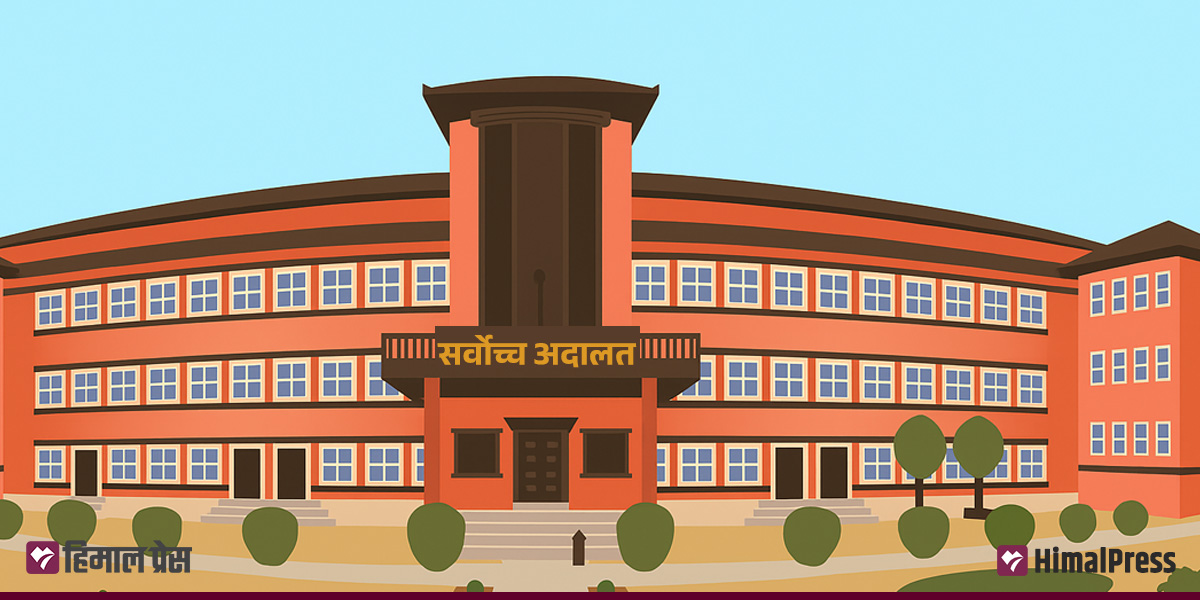
However, it only deepened divisions inside the party. With only five days left before candidate nominations for the parliamentary election, leaders close to Deuba challenged the legality of the special convention in the Supreme Court. The case is still under consideration.
Deuba faction had warned that the decision to go to the polls after a special convention would hurt the party, while Thapa and Sharma argued that the convention would help project an image of a reformed and renewed NC. During the election campaign, they repeatedly told voters that the party had changed and was ready to offer new leadership.
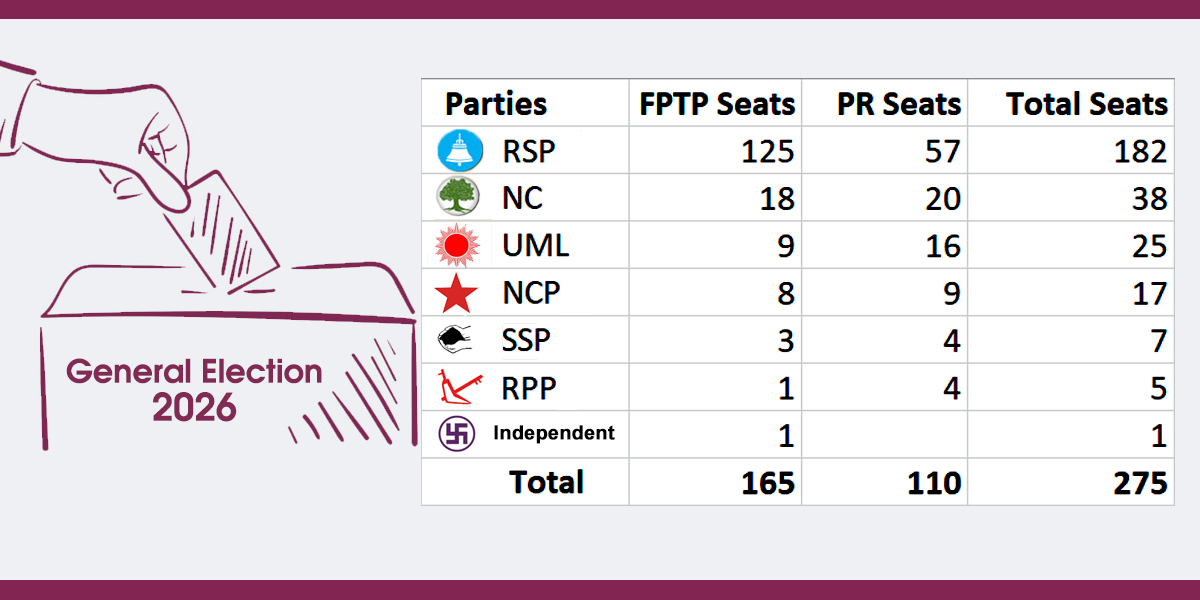
The election results, however, dealt a severe blow to the party amid a nationwide surge in favor of Rastriya Swatantra Party (RSP) leader Balen Shah. NC won only 18 seats under the first-past-the-post (FPTP) system and also suffered huge losses in the proportional representation (PR) vote.
The RSP secured 5.18 million votes, or 47.84% of total valid votes, while the NC received only 1.75 million votes (16.23%). In the 2022 election, NC received 2.66 million votes compared to RSP’s 1.16 million.
NC President Thapa himself, who had shifted to Sarlahi-4 from his home seat of Kathmandu-4, suffered a heavy defeat. He lost to RSP candidate Amaresh Kumar Singh by more than 12,000 votes. NC managed to win only one seat out of 32 in Madhesh Province. Firdosh Alam, the son of late NC leader Mohammad Aftab Alam, won the Rautahat-2 seat, preventing the party from having zero representation in the province.
Following what many leaders called a humiliating defeat, Thapa has come under pressure from within the party to resign. Leaders close to Deuba have attributed the party’s poor performance in the election to the decision to hold a special convention just before the election.
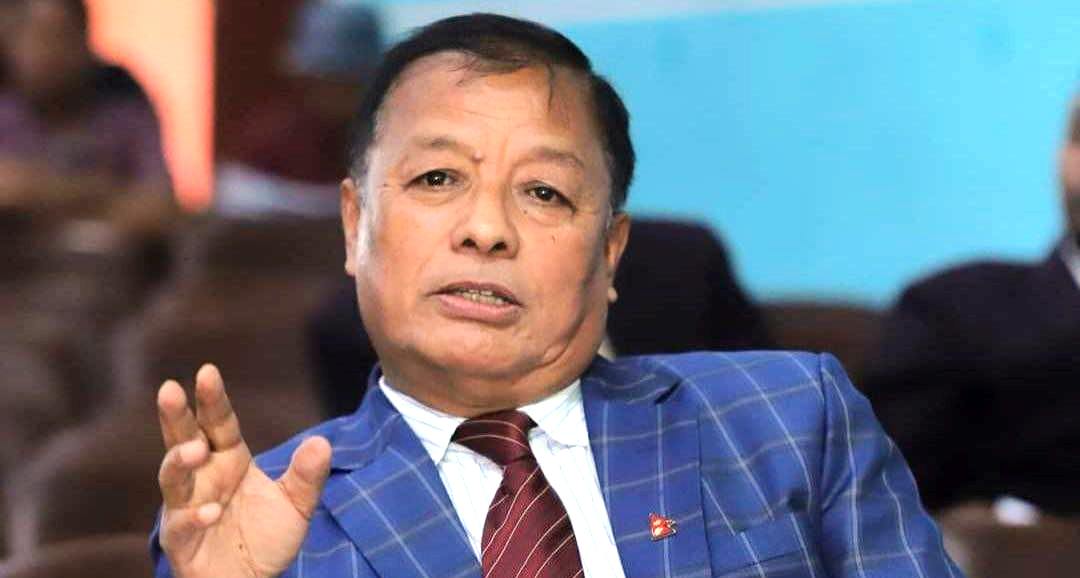
National Assembly member Jit Jung Basnet said the party’s defeat proved that the special convention was unnecessary. He accused Thapa’s camp of capturing the party through a planned move and said the leadership should take responsibility.
“The rationale for holding a special convention has now ended. We had said we should go into the election united and hold the convention after the polls,” he told journalists after the National Assembly parliamentary party meeting on Wednesday. “But that was not accepted. They held a gathering and took control of the party in the name of a special convention. We have suffered defeat because of the special convention.”
Thapa appears to be in the mood to step down. NC sources say Thapa told Vice President Sharma that he was willing to step down on moral grounds. Sharma, however, has advised Thapa against resigning, sources say.
Several leaders, including Bishwo Prakash Sharma, former vice-president Gopal Man Shrestha, and Chandra Bhandari, have argued that Thapa’s resignation will not solve the crisis and that the party should instead conduct a broader review and move forward united.
Bhandari said saving the NC at a time when young voters are drifting away should be the party’s main priority. He warned abandoning leadership now would only worsen the situation.
Thapa has not made a public appearance or commented on the election results.
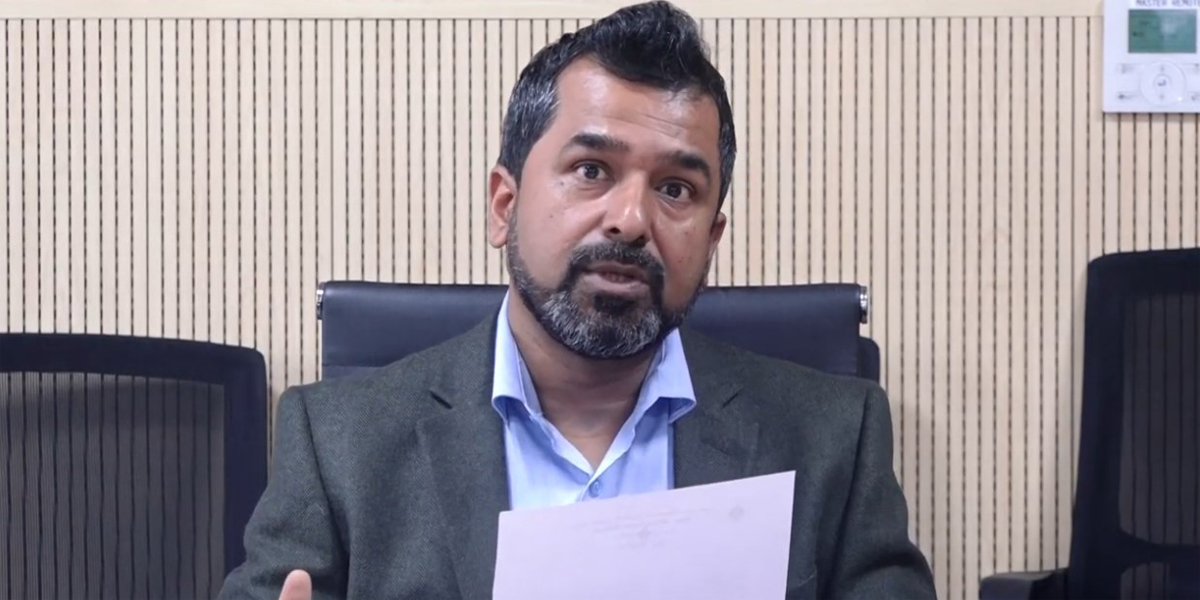
Political analyst Purushottam Dahal said the election defeat was largely the result of deep divisions between the party’s old and new generations which became sharper after the push for the special convention. “Internal campaigns that glorified one faction while humiliating another also hurt the party at the polls,” he added.
With pressure mounting on Thapa to step down, Dahal said the decision ultimately rests with Thapa. “The party leadership must now focus on resolving internal disputes and finding a way forward instead of prolonging the conflict,” he added.