 Himal Press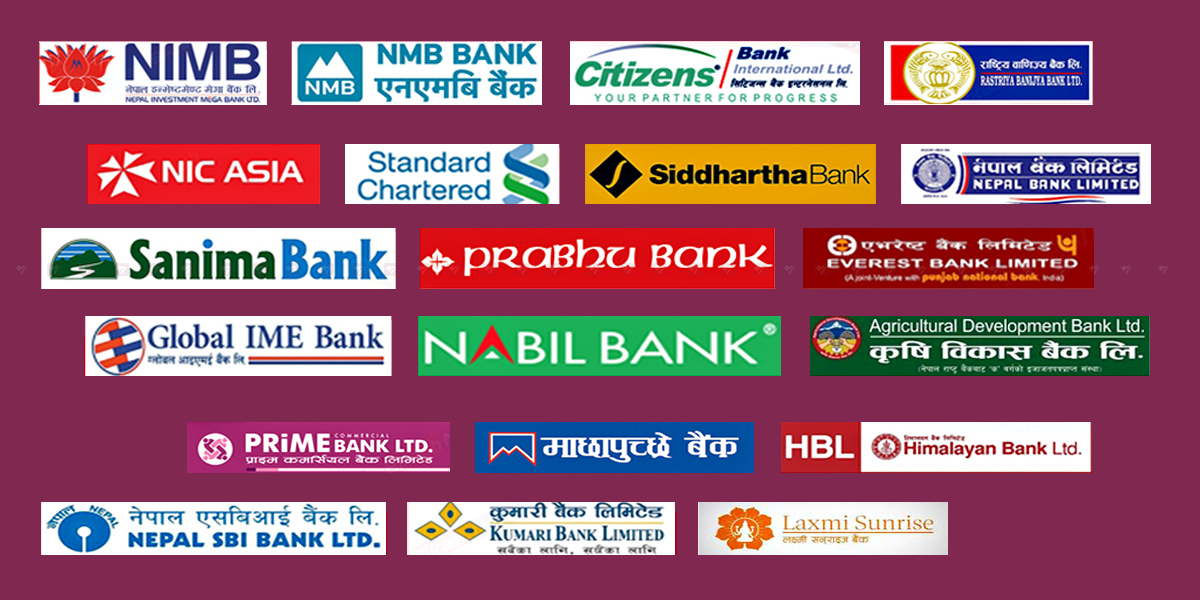
KATHMANDU: The non-performing loans (NPL) of commercial banks have risen sharply in the first quarter of the current fiscal year.
According to unaudited financial reports of commercial banks, the average NPL ratio reached 4.86% in mid-October, up from 4.44% in mid-July.
Out of 20 commercial banks, nine have now exceeded the 5% NPL threshold — a level often considered a red flag for banking regulators. Only three banks had breached this mark in mid-July.
Himalayan Bank reported the highest NPL ratio at 7.39%, followed closely by NIC Asia Bank (6.99%), Kumari Bank (6.98%), and Nepal Investment Mega Bank (6.63%). Other banks with NPL levels above 5% include Prime Commercial Bank (5.86%), Prabhu Bank (5.78%), Nepal Bank (5.49%), and Laxmi Sunrise Bank (5.42%).
Everest Bank Ltd, on the other hand, maintained the lowest NPL ratio at just 0.74%, signaling comparatively strong asset quality and risk management.
Overall, 14 banks saw their NPL ratios rise in the review quarter, five reduced them, and one reported no change.
Bankers attribute the increase in NPL levels to slow economic growth, subdued business confidence, and delayed loan repayments.
Under Nepal Rastra Bank’s regulatory framework, loans overdue for less than three months are classified as performing, while those overdue for more than three months are categorized as substandard, doubtful, or loss. Banks are required to set aside higher loan-loss provisions for these non-performing assets, which directly affect their profitability.