 Himal Press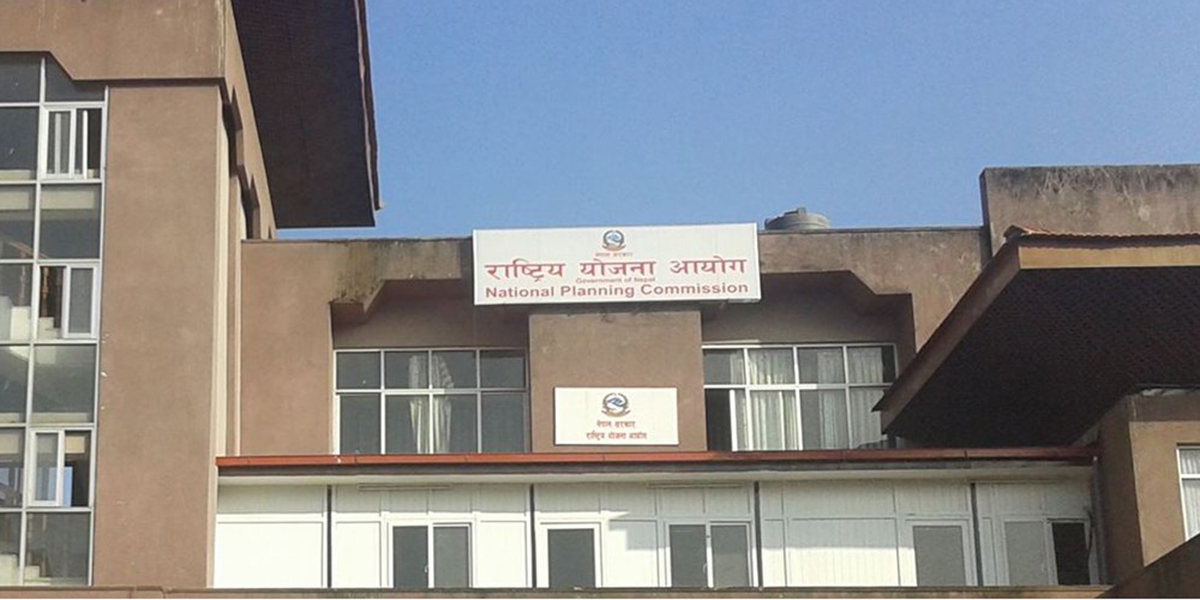
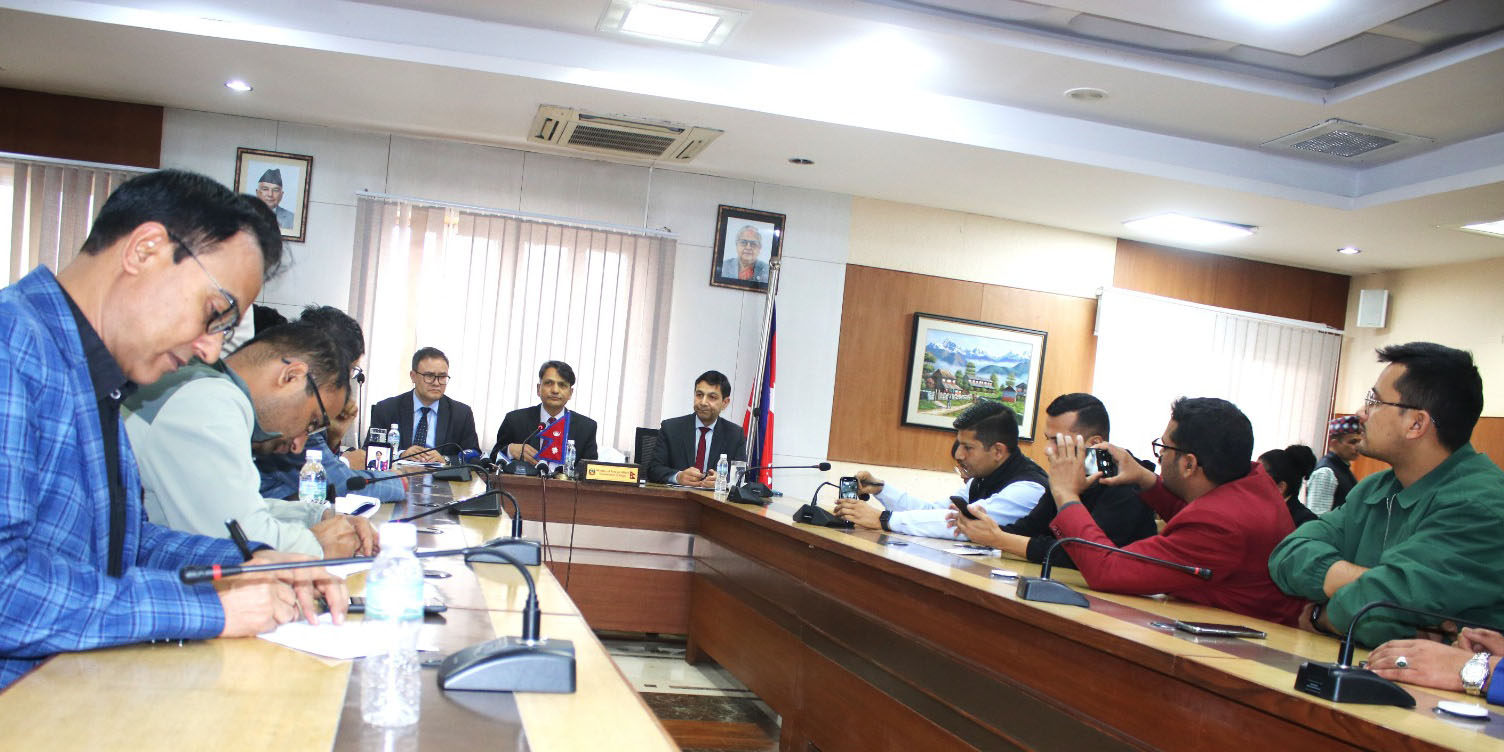
KATHMANDU: The National Planning Commission (NPC) has prepared a detailed implementation plan to gradually formalize Nepal’s large informal economy, in line with the objectives of the country’s 16th Plan.
According to the 16th Plan Implementation Action Plan released by the NPC on Tuesday, the informal sector, which accounts for a significant share of the economy, is creating challenges in resource mobilization, tax compliance, and policy enforcement. The plan aims to address issues such as unregistered businesses, illegal production and trade, cross-border smuggling, trade misinvoicing, money laundering, and other financial crimes.
As part of the strategy, the government will prioritise registration and accounting compliance of informal enterprises, and encourage businesses operating informally but legally to transition into the formal system through incentives. Authorities also plan to tighten monitoring and enforcement against illegal and underground economic activities.
The plan proposes developing systems to measure previously unrecorded household production and services, and bringing informal financial transactions under regulatory oversight. It also seeks to channel remittance inflows through formal banking systems and reduce reliance on informal transfer channels.
According to the 2018 National Economic Census, around 49.5% of total enterprises in the country are not registered with any formal authority. Among registered firms, only about 52% maintain proper accounts. Similarly, data from the 2017/18 Labor Force Survey show that only 15.4% of the workforce is employed in the formal sector, with formal employment accounting for only 37.8% of total jobs.
Key measures prescribed in the action plan include simplifying business registration and renewal processes; linking accounting practices to tax incentives and subsidies; increasing access to financial services to discourage informal financing; expanding digital and banking-based financial transactions; and improving coordination among customs, police, and revenue authorities to curb illicit activities.
The plan also emphasises promoting cashless transactions, strengthening legal and institutional frameworks to combat financial crimes, and offering targeted programs to integrate informal workers into social security schemes.
In addition, the government aims to recognise prior learning and skills of informal workers, improve labour registration systems, establish a system to record and evaluate the time and labor that women spend on household services, and expand access to financial services and literacy programs, particularly in rural areas.
The NPC has said that the action plan’s overall objective is to gradually bring informal economic activities into the formal system, enhance transparency and productivity, and ensure more inclusive and sustainable economic growth.