 Himal Press
KATHMANDU: Nepal is voting in a crucial election for the House of Representatives on Tuesday.
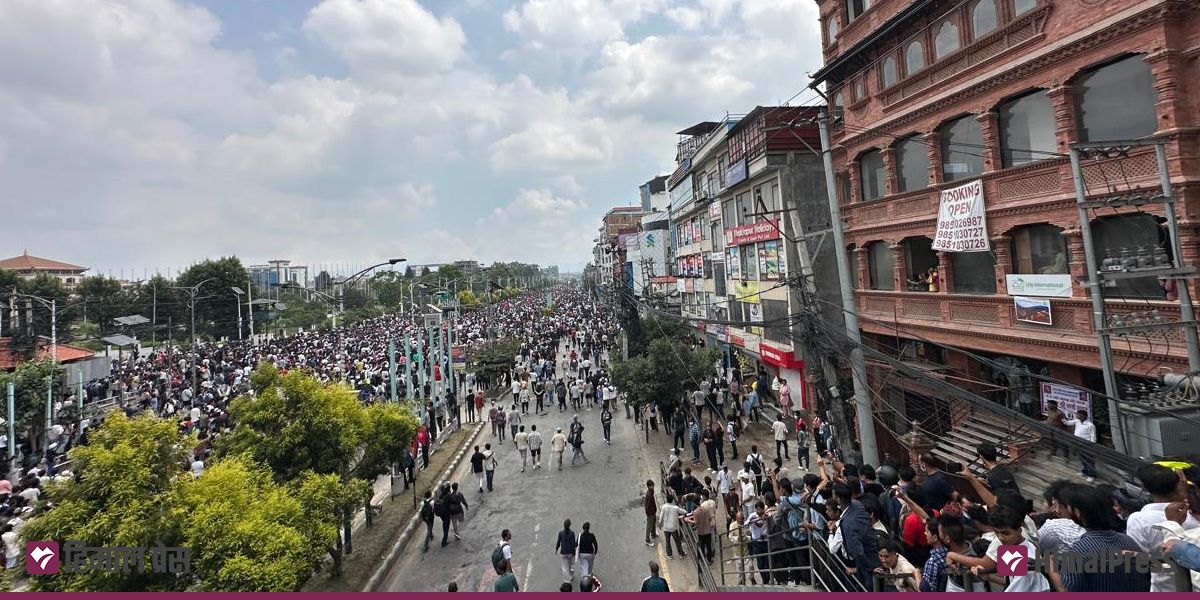
The polls have come amid heightened political uncertainty following the September 8 and 9 protests that led to the ousting of Prime Minister KP Sharma Oli and the dissolution of Parliament.
The early election is being seen as a decisive moment for the country’s political future.
The Election Commission is expecting a higher turnout, given the growing enthusiasm toward the election, especially among young voters. A high turnout is likely also because the country seeks to restore political stability through the ballot.
A total of 18,903,689 are eligible to vote in the elections. They will elect 165 lawmakers through the first-past-the-post system and 110 through proportional representation (PR) systems.
Here we look at key numbers as Nepal votes:
Number of Seats
FPTP Seats: 165
PR Seats: 110
Total Seats: 275
Participating Political Parties
FPTP: 65
PR: 63
Province-wise Distribution of FPTP Seats
Koshi: 28
Madhesh: 32
Bagmati: 33
Gandaki: 18
Lumbini: 26
Karnali: 12
Sudurpashchim: 16
Voters
Male Voters: 9,663,358
Female Voters: 9,240,131
Others: 200
Total: 18,903,689
Province-wise Distribution of Voters
Koshi: 2,574,210
Madhesh: 3,636,414
Bagmati: 3,682,310
Gandaki: 1,870,065
Lumbini: 3,386,680
Karnali: 1,037,250
Sudurpashchim: 1,716,660
PR Candidates
Male: 1,363
Female: 1,772
Total: 3,135
FPTP Candidates
Male: 3,016 (one scrapped)
Female: 388
Others: 1
Total: 3,405 (One scrapped)
Partisan: 2,263
Independent: 1,143
Voting Centers
Polling Stations: 10,967
Polling Centers: 23,112
Temporary Polling Centers: 143
Ballots Printed
FPTP: 20,323,000
PR: 20,830,000
Total: 42,251,200
Inclusivity of Candidates
Khas/Arya: 34.5%
Indigenous nationalities: 27.3%
Madheshi: 24.87%
Dalit: 6.75%
Muslim: 3.99%
Tharu: 2.58%
Human Resources Deployed
Officials: 215,000
Nepali Army: 79,727
Nepal Police: 75,797
Armed Police: 34,576
National Investigation Department: 1,921
Election Police: 149,090