 Himal Press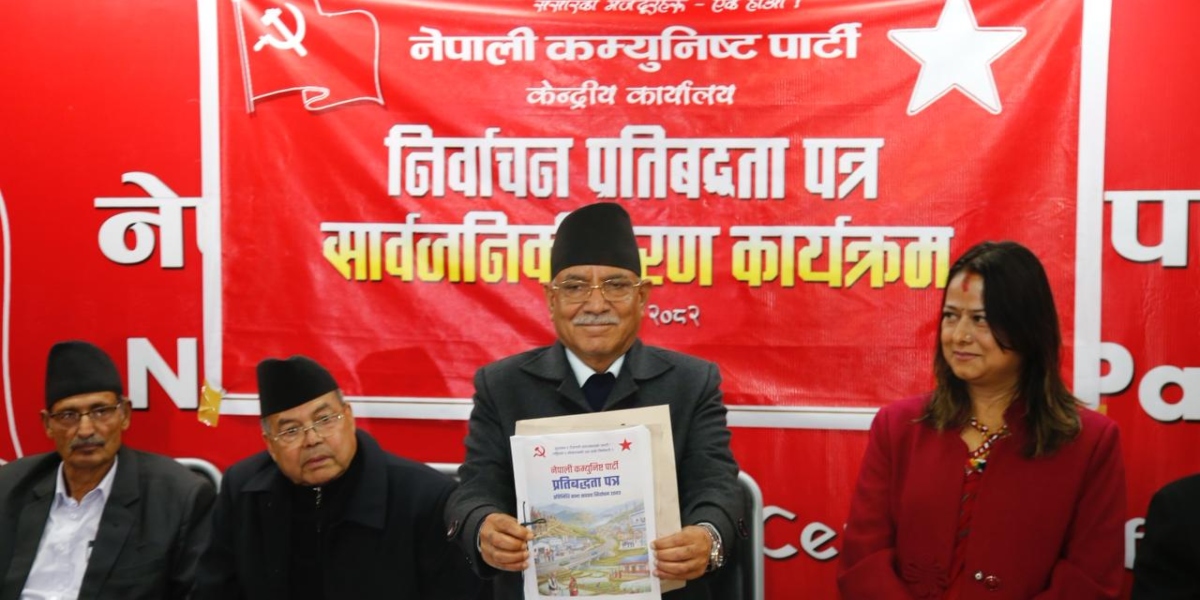
KATHMANDU: The Nepali Communist Party (NCP) has placed special emphasis on a new phase of economic reform in its manifesto for the upcoming House of Representatives elections.
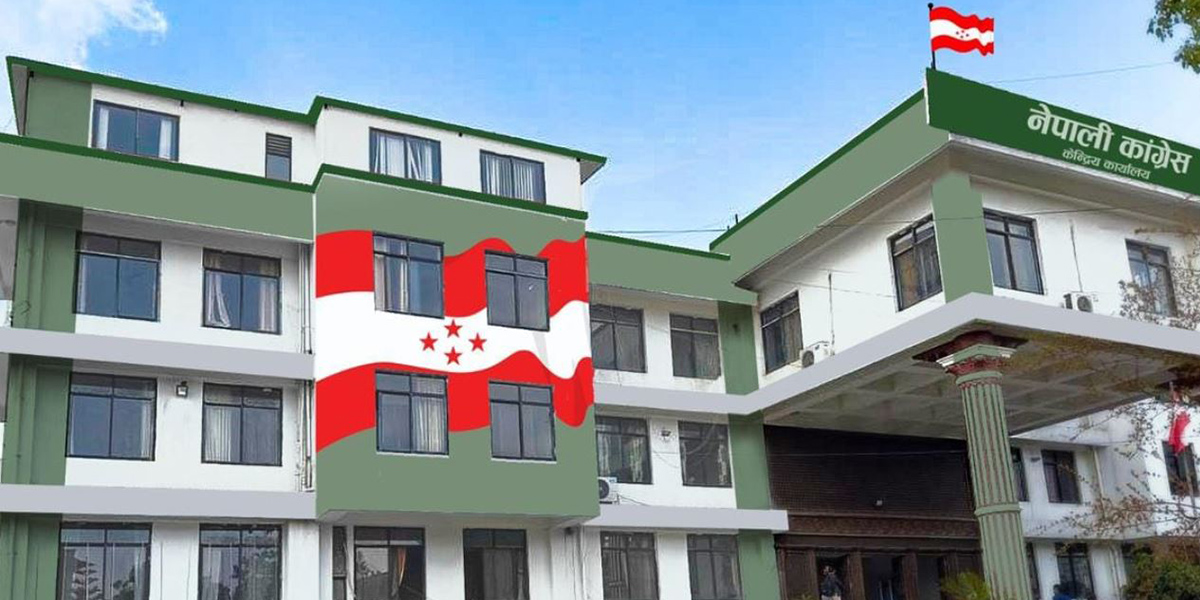
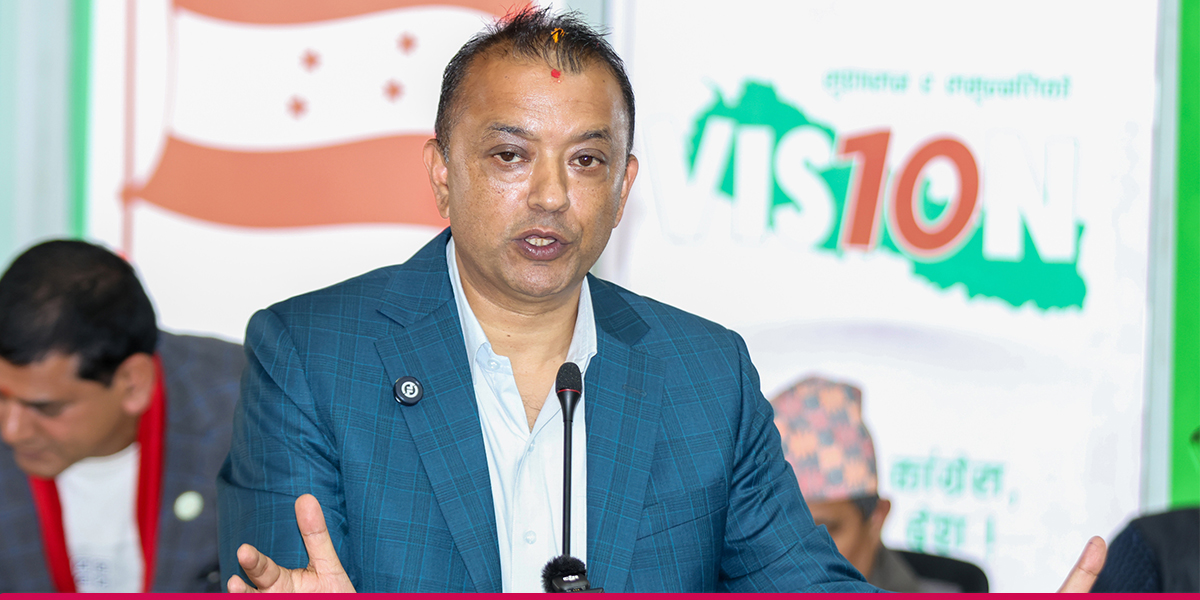
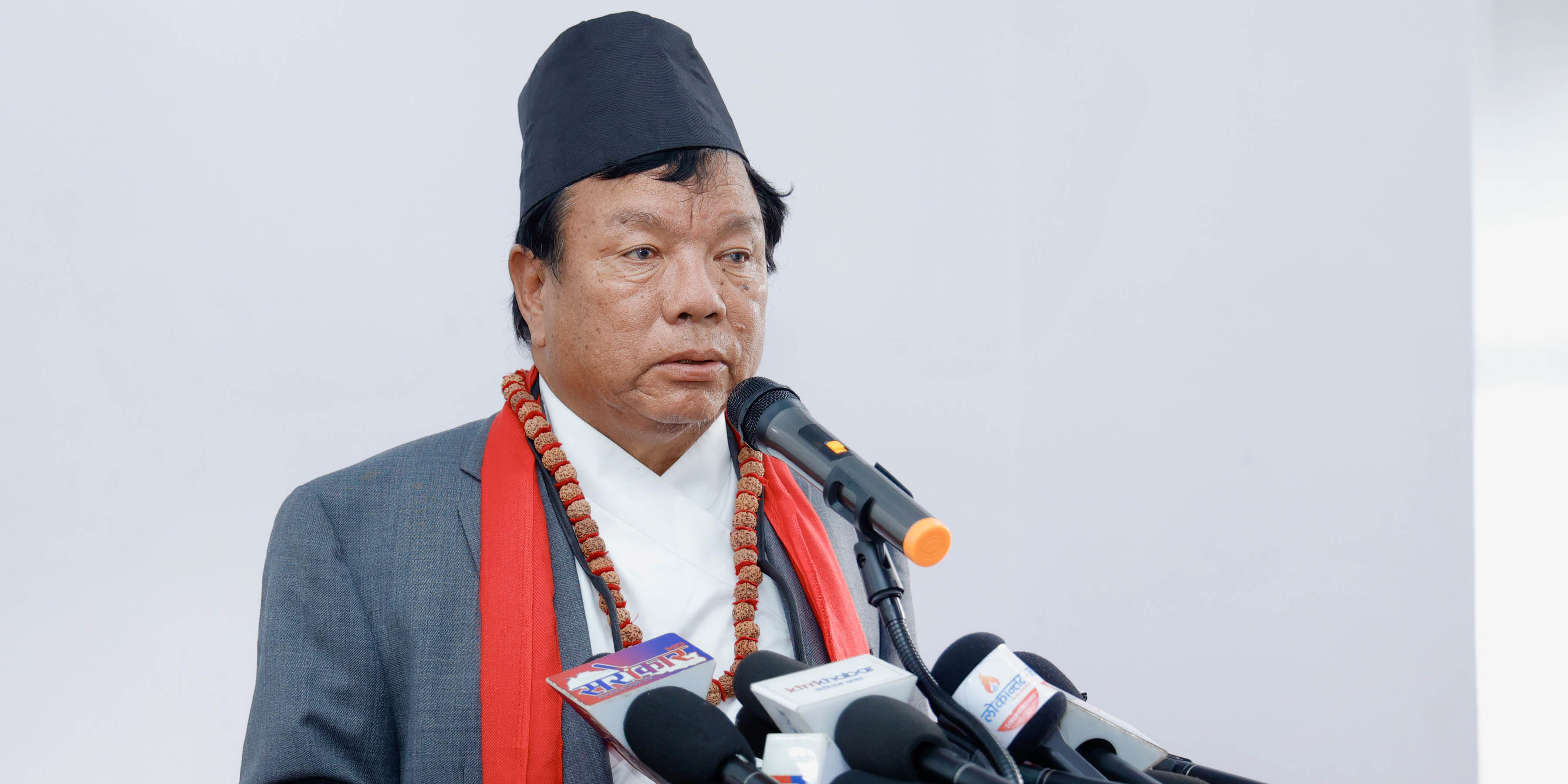
NCP Coordinator Pushpa Kamal Dahal unveiled the party’s brief commitment document for the upcoming election amid a program organized at the party headquarters in Koteshwar on Tuesday.
The party has described the proposed measures as revolutionary steps aimed at addressing the current structural crisis of the economy and laying the foundation for socialism. In the document, the party has underlined the need to shift from an import-, trade- and consumption-driven economy to a production-oriented, self-reliant and inclusive model.
With special emphasis on a new phase of economic reform and prosperity with social justice, the party has taken the initiative to prepare a roadmap for building a sovereign and prosperous Nepal. The manifesto states that the NCP will undertake special initiatives to ensure political stability, good governance, and result-oriented administration.
Stating that the economy is trapped in a deep structural crisis, the party said that while neoliberal policies adopted over the past decades initially created some production and employment, they, in the long run, made the economy import-dependent, non-productive, and unequal. “The trade deficit is widening, the national budget is being spent on unproductive sectors, cartels and collusion are institutionalized, and poverty and economic inequality persist. A lack of regulation in the cooperative and non-governmental sectors has increased distortions and misuse,” the manifesto states. “Although the constitution envisions a socialism-oriented economy, outdated policy frameworks have hindered the implementation of fundamental rights.”
Stating that the economy is trapped in a deep structural crisis, the party said that while neoliberal policies adopted over the past decades initially created some production and employment, they, in the long run, made the economy import-dependent, non-productive, and unequal.
The party also said in the manifesto that the old model is neither practical nor justifiable in the changing national and international context. “That is why we have proposed a new phase of economic prosperity with social justice through increased production, job creation, financial inclusion, and self-reliance,” the manifesto reads.
The party has set a target of achieving an economic growth rate of over 10% within the next five years through the prudent and sustainable use of natural resources, increased domestic and foreign investment, development of production systems based on collectivism and cooperatives, and efficient allocation of resources. Likewise, it aims to reduce economic and social inequality and bring down the multidimensional poverty rate from 20.15% to 5%.
Similarly, the party has said that it would protect and promote production sectors through state-supported agricultural and industrialization policies. The party has said that it would take a policy of gradually reducing import dependence, enhancing the capacity of the domestic private sector, and linking foreign investment with production, technology transfer, and employment.
Laying the foundation for a green and digital economy through the judicious use of natural resources, building a foundation for a socialism-oriented economy by adopting a balanced and complementary development model among the private, cooperative, and public sectors, and developing each province as a hub for specific economic activities are the other objectives that the party has set in its manifesto.
To achieve these objectives, the NCP has said that it would prioritize agriculture and rural economy transformation, energy and infrastructure development, industrial and entrepreneurship promotion, information technology and digital economy, tourism and service sector development, and the social sector through investment in education, health, social security, and inclusive development.