 Himal Press
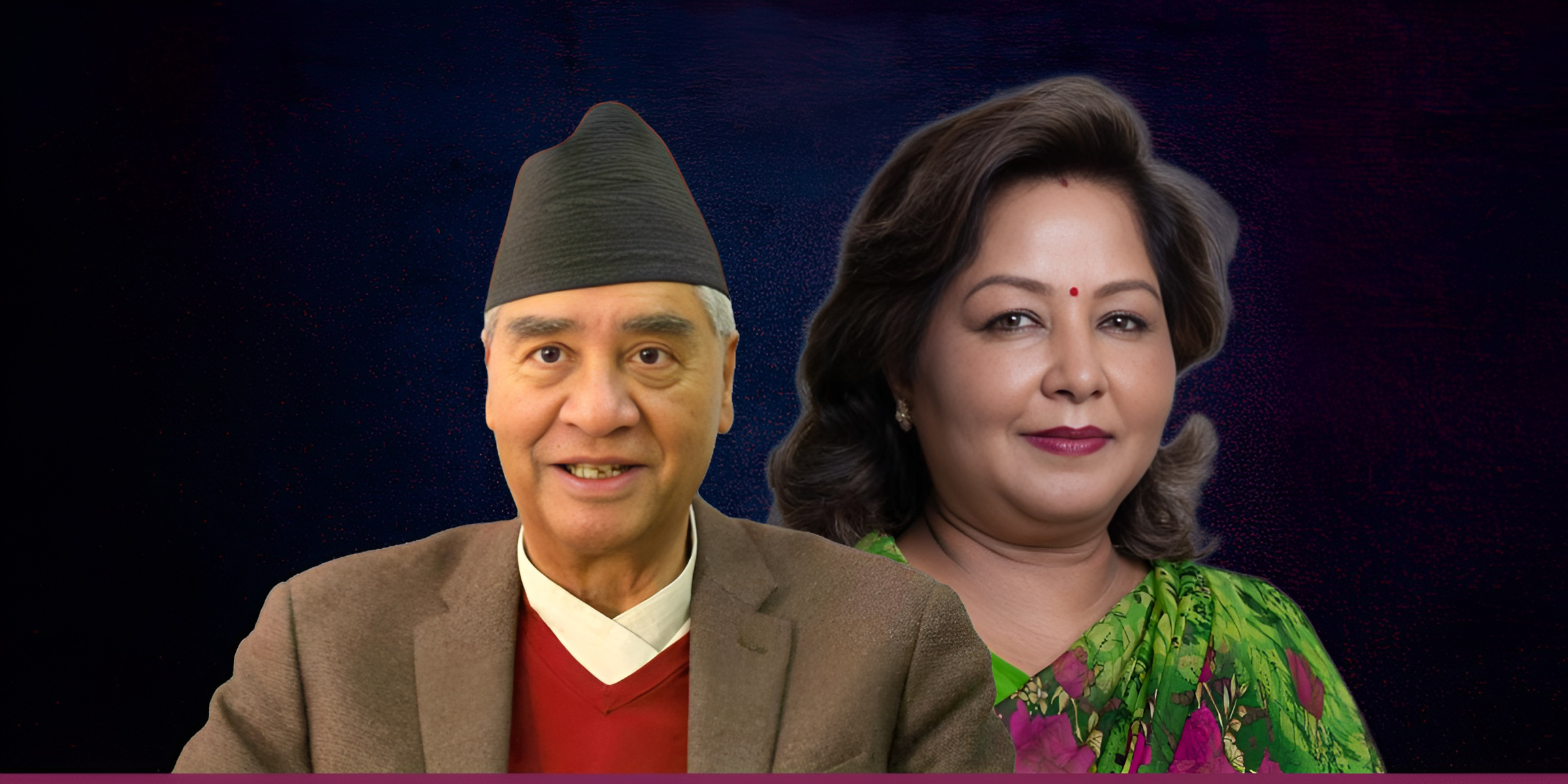
 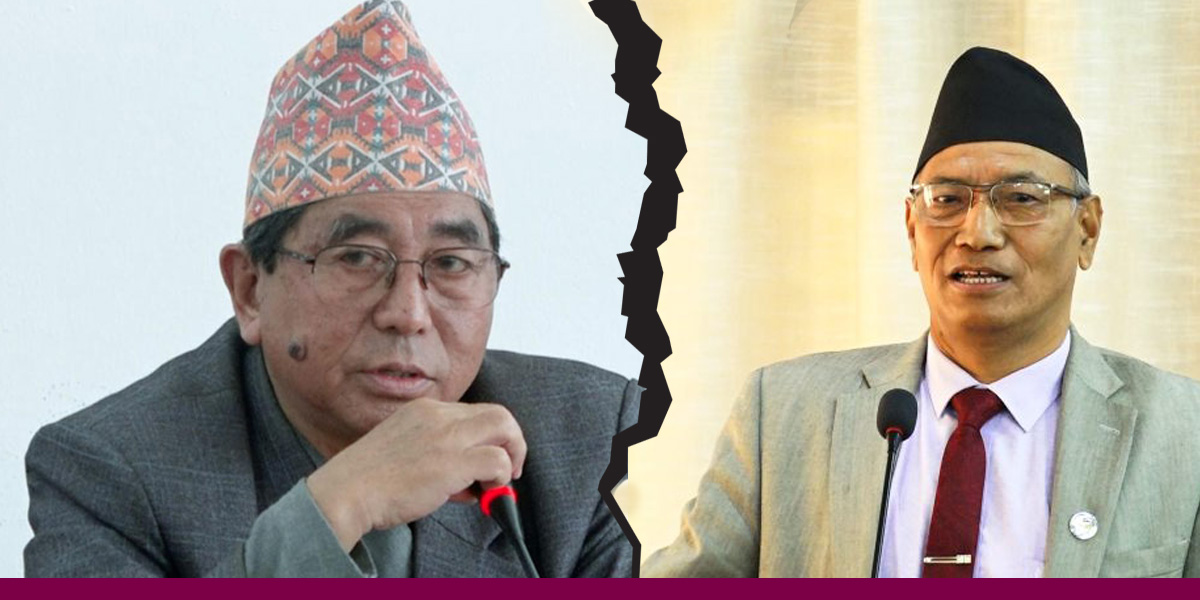 This combo photo shows JSP Chairperson Ashok Rai and party's Federal Council Chair Rajendra Shrestha.
KATHMANDU: The Janata Samajbadi Party (JSP) led by Ashok Rai has formally split. The party, which was originally formed after breaking away from the Upendra Yadav-led JSP-Nepal in May last year, has now met the same fate.
The split became inevitable after the party’s Federal Council Chairperson Rajendra Shrestha and other senior leaders decided to join the Nepali Communist Party (NCP) – formed recently after the unification of 12 leftist parties – on Sunday.
Alongside Federal Council Chairperson Shrestha, Central Vice Chairpersons Ranadhwaj Limbu and Parshuram Basnet, Central Advisory Committee Chair Durga Mani Dewan, Central Expert Council Chair Dr Pushparaj Rajkarnikar, and Central Discipline Commission Chair Krishna Bahadur Dhoju are also joining the NCP, according to a joint statement issued on Sunday.
Chairperson Rai and other JSP leaders had been in continuous dialogue with NCP Coordinator Pushpa Kamal Dahal for party unification. They had planned to formally declare the unification on the Nepal Academy premises on November 26.
However, on Saturday, party leaders, including Pradip Yadav and Istiyak Rai, took a firm stand against uniting with the Dahal-led party. Following their opposition, Chairperson Rai reportedly backtracked on his decision to join the NCP and instead decided to align with the Progressive Loktantrik Party associated with Dr Baburam Bhattarai.
The dispute within JSP took a new turn on Sunday evening as Chairperson Rai reached an agreement with Rajendra Mahato-led Rastriya Mukti Party and Resham Chaudhary-led Nagarik Unmukti Party (NUP), Nepal to contest the upcoming election using the election symbol of NUP Nepal.
Upon learning that Chairperson Rai had decided to join forces with the Progressive Loktantrik Party, the six senior leaders decided to part ways with JSP and proceed with the original plan to join the NCP on November 26. “We are moving forward in the direction of unification and polarization with the Nepali Communist Party formed through the unity of various parties,” the six leaders said in the joint statement.
Stating that the achievements of the 2006 People’s Movement are currently at risk, they said they felt the need to unite with like-minded progressive political forces to safeguard past gains and struggle for further achievements.