 Himal Press
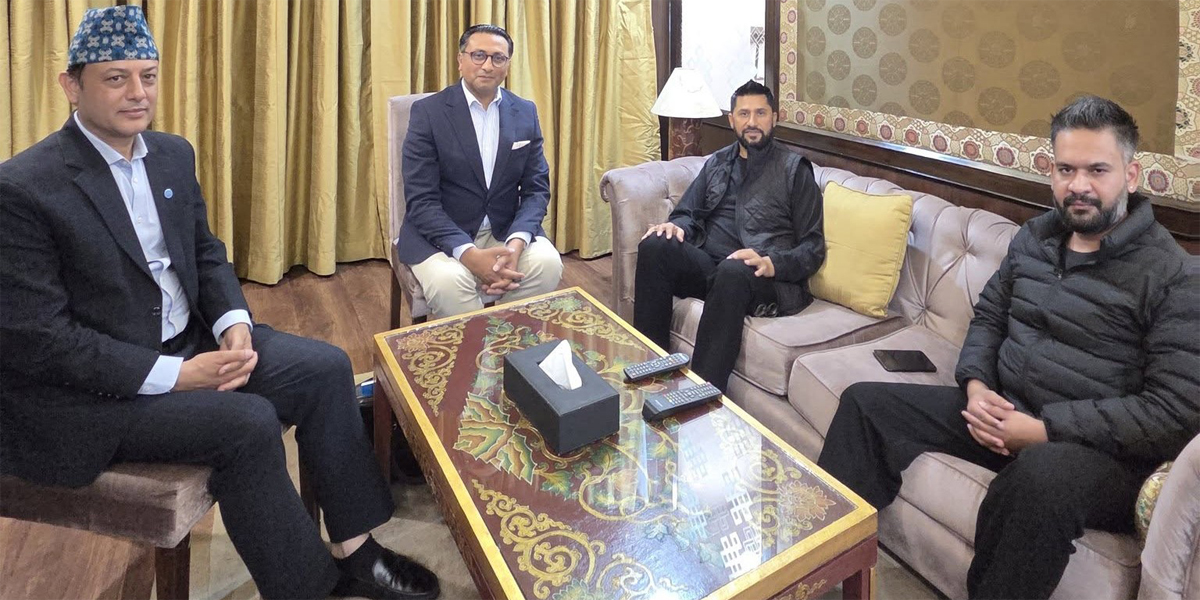
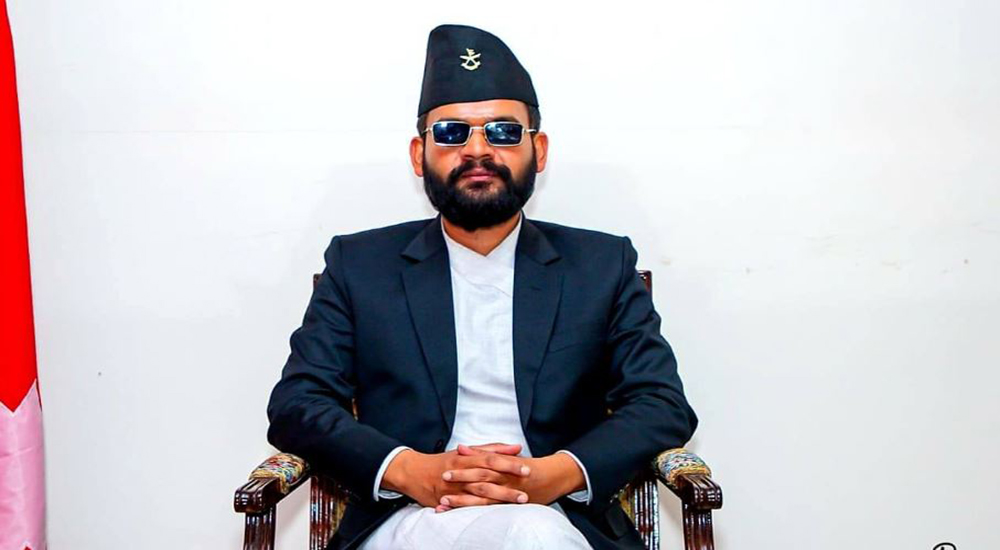
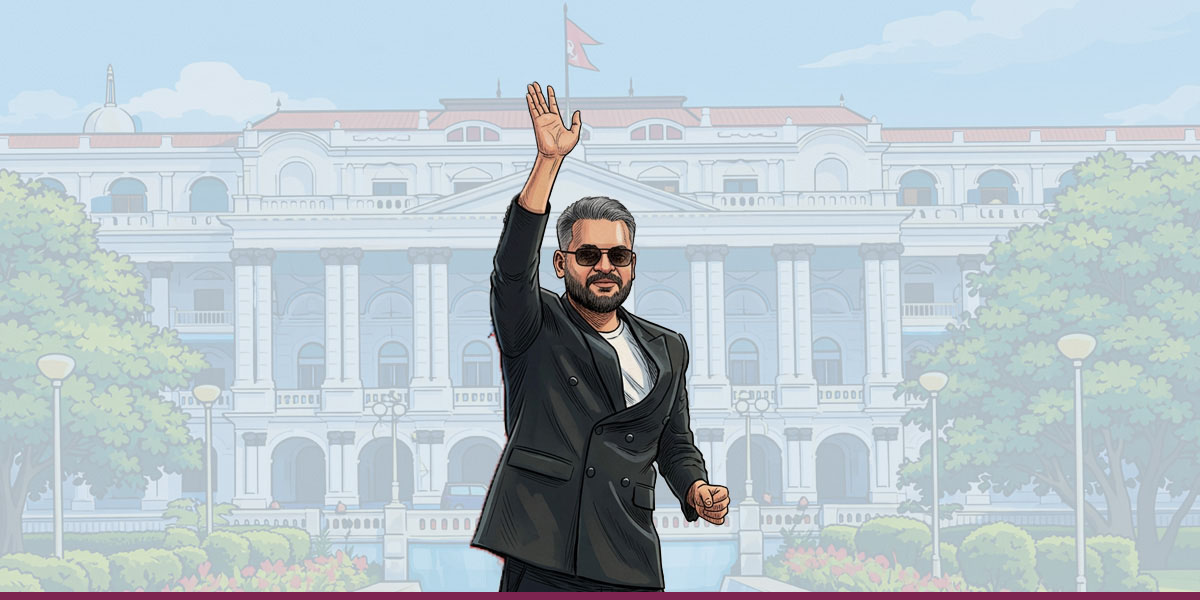
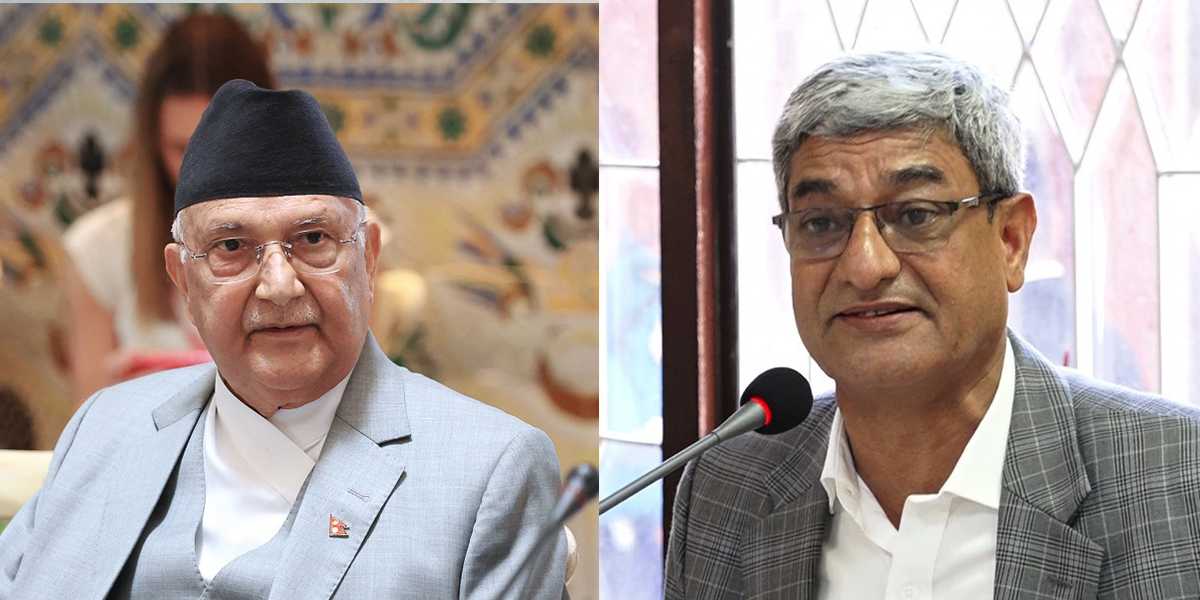
 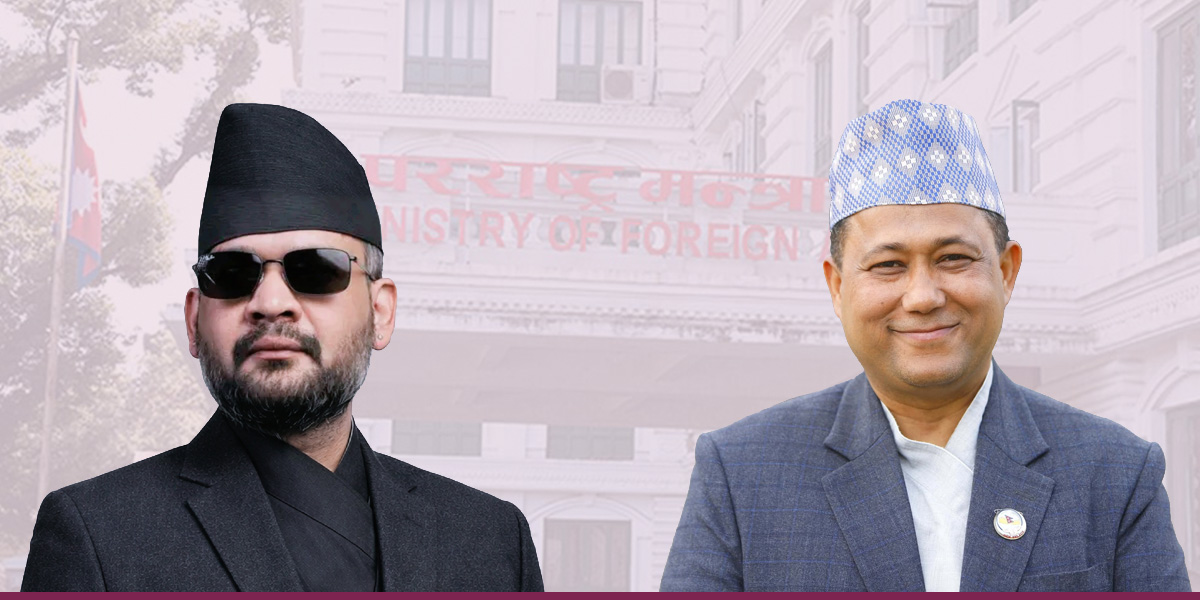 This combo photo shows Prime Minister Balendra Shah and Foreign Minister Shishir Khanal.
KATHMANDU: The government has begun preparations to appoint ambassadors based on merit and competence, and recall those appointed under political quotas.
A source at the Ministry of Foreign Affairs says the government is moving toward establishing a system where ambassadorial appointments are made with defined terms of reference and renewed annually. The government, however, cannot make any such appointments immediately, as House committees are yet to be formed.
As per the constitution, all ambassadorial appointments have to be approved by the Parliamentary Hearing Committee.
The government is preparing to recall ambassadors appointed by the previous administration through political connections, as well as some civil servants who were picked for foreign posting just before or after their retirement. Sources say the government is also concerned about ambassadors who, instead of resigning after a change in government, have remained in office, as well as those who continue reporting to the ministry and marking attendance even after being recalled by the previous government.
The foreign ministry source says ambassadors stationed in India, Sri Lanka, South Korea, Denmark, South Africa, and Australia are among those likely to be recalled. “The government is preparing to recall ambassadors appointed under political quotas,” the source added.
Although there were expectations that the ambassador to India might be retained to maintain a balanced relationship, preparations are underway to recall him as well, given a lack of significant achievements during his tenure in New Delhi, the source said.
The interim government led by Sushila Karki, which recalled most of the political appointees, had not recalled Chitralekha Yadav from Australia, Sumnima Tuladhar from Denmark, and Shivmaya Tumbahangphe from South Korea. Sources say they were not recalled just because they were women. Other ambassadors, including Kapil Man Shrestha (South Africa) and Purna Bahadur Nepali (Sri Lanka), were also retained, reportedly because they were representing indigenous nationalities and Dalit communities, respectively.
The Sushila Karki administration had recalled 11 ambassadors, citing a lack of cooperation. All of those recalled were political appointees. The ambassadors recalled by the interim government included Krishna Prasad Oli (China), Lok Darshan Regmi (United States), Janga Bahadur Chauhan (Russia), Chandra Kumar Ghimire (United Kingdom), Dr Shail Rupakheti (Germany), Naresh Bikram Dhakal (Saudi Arabia), Durga Bahadur Subedi (Japan), Netra Prasad Timsina (Malaysia), Dhana Prasad Pandit (Israel), Ramesh Chandra Paudel (Qatar), and Shanil Nepal (Spain).
The recalled ambassadors were instructed to return to Nepal by November 6, 2025. A petition was subsequently filed at the Supreme Court challenging the decision. On November 2, the Supreme Court issued an interim order preventing the immediate implementation of the recall.
The next day, the ministry instructed the 11 ambassadors to report to the ministry and continue working.
As per the ministry’s decision, the ambassadors returned to Nepal. Some resigned immediately, while others resigned after negotiating a ‘severance package’. As of now, eight have resigned. Three of them, Dr. Shail Rupakheti, Shanil Nepal, and Dhan Prasad Pandit, however, continue to report to the ministry and are receiving salaries and allowances without doing anything.
Meanwhile, a contempt of court case was filed against then Prime Minister Karki. Advocate Prem Raj Silwal filed the petition, alleging that the decision to recall ambassadors violated the Supreme Court’s interim order. The case is still pending.
The new government is now preparing to recall the remaining ambassadors appointed on a political quota. Foreign Minister Shishir Khanal is reportedly overseeing the process.
Even before the new government was formed, the RSP had already expressed its position in favor of scrapping all previous political appointments. In the first session of the House of Representatives held on Thursday, RSP President Rabi Lamichhane also urged all officials appointed by the previous governments to resign.
Sources say political appointments have been made in some 1,100 positions.
Nepal has 34 embassies and permanent missions at present. Traditionally, 50% of ambassadorial appointments are made from senior foreign ministry officials, and the remaining 50% from individuals with political affiliations or experience in diplomacy.
Experts say ambassadors, whether from the civil service or political background, should be appointed based on merit and competence.