 Himal Press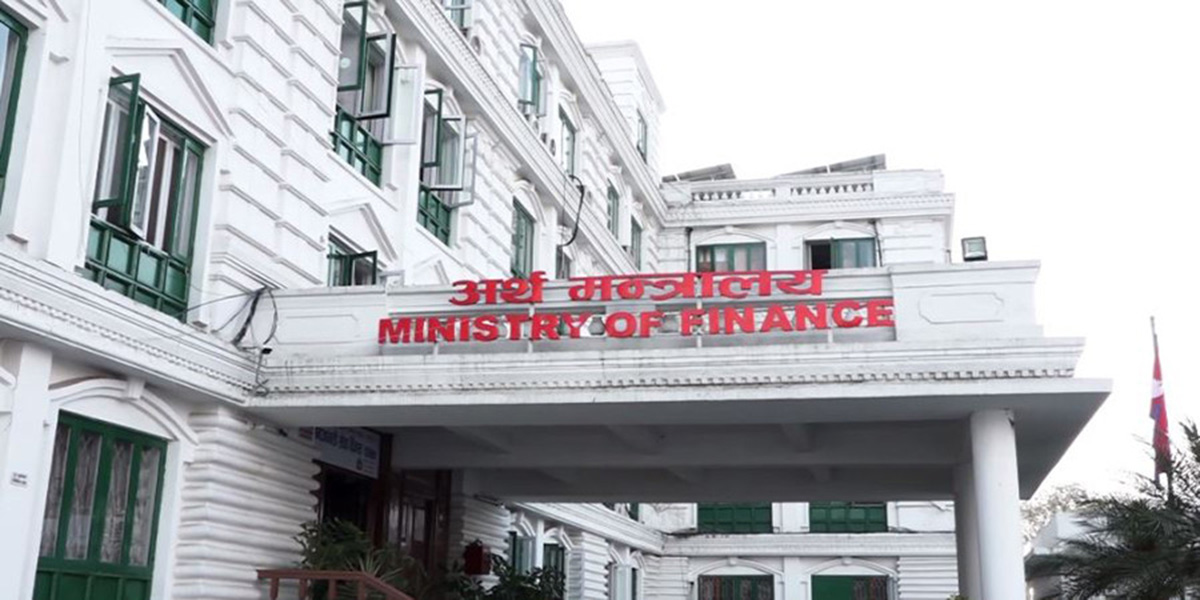
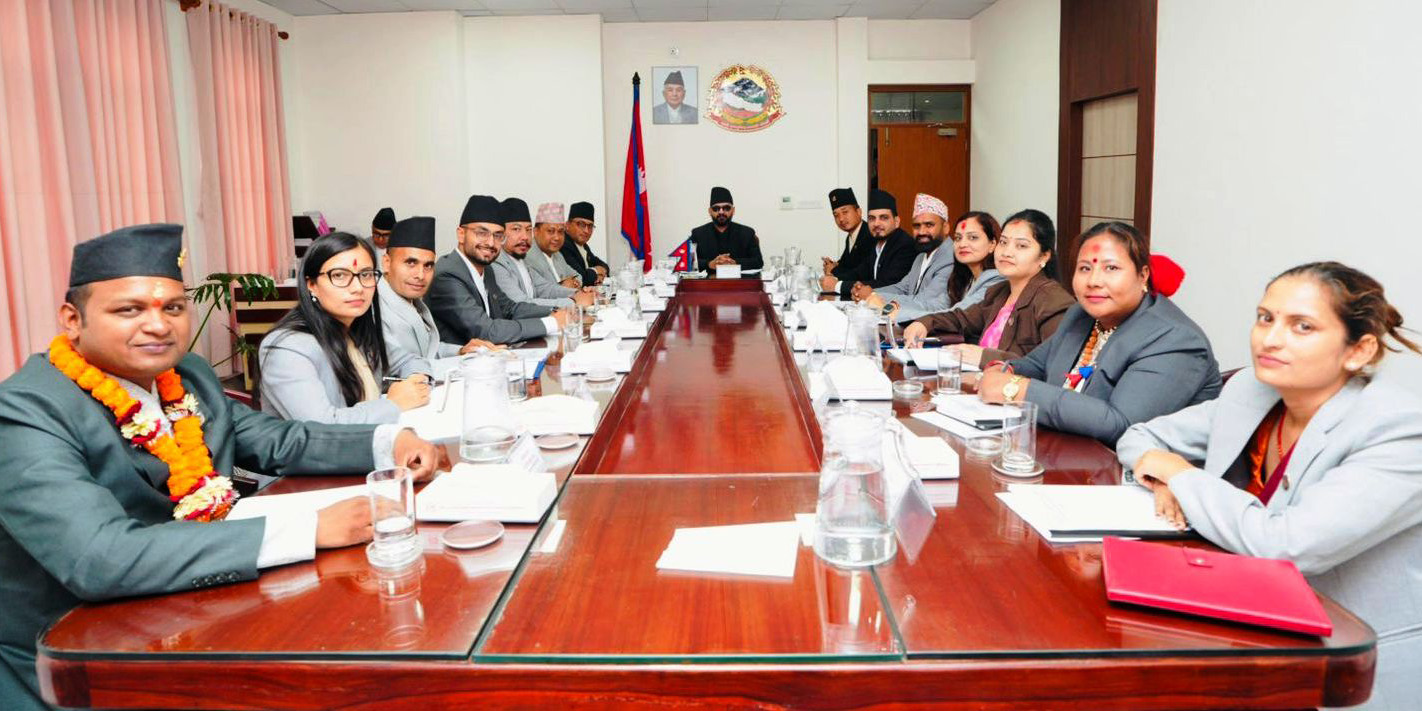
KATHMANDU: The Ministry of Finance has formed the Revenue Advisory Committee to collect suggestions on revenue policy, tax structure, customs rates, revenue administration, and macroeconomic reforms for the budget for fiscal year 2026/27.
The committee has already completed its work, according to the finance ministry.
The committee includes representatives from the government, the central bank, academia, and umbrella organizations of the Nepali private sector.
The chief or a designated senior professor from the Central Department of Economics at Tribhuvan University, a Joint Secretary from the Ministry of Industry, Commerce and Supplies, an Executive Director from Nepal Rastra Bank, and two experts—an economist and a tax specialist—nominated by the Ministry of Finance are members of the committee.
Similarly, private-sector representatives include the presidents or designated senior officials of the Federation of Nepalese Chambers of Commerce and Industry, the Nepal Economic Association, the Confederation of Nepalese Industries, the Nepal Chamber of Commerce, the Federation of Nepalese Industries and Commerce, and the Federation of Nepal Cottage and Small Industries.
A joint Secretary of the ministry’s Revenue Management Division is the member-secretary of the committee.
The committee has been mandated to recommend policy and legal reforms related to income tax, value-added tax (VAT), excise duty, education service fee, digital service tax, taxes on e-commerce, and other internal taxes under the Finance Act. It is also tasked with reviewing tax rates, simplifying procedures, improving the tax system, and recommending reforms in revenue administration and organizational structure.
Similarly, the committee will prepare suggestions on policy and legal reforms related to industrial promotion and protection, import and export, trade in services, investment promotion, supply management, and tax and non-tax incentives. Its scope also includes reviewing customs rates, protecting domestic production, improving valuation systems, facilitating trade, managing borders, and reforming customs administration.
The committee will study and recommend measures to control revenue leakage, curb smuggling, regulate foreign exchange, combat financial crimes, and strengthen asset laundering investigations, along with necessary legal and institutional reforms. Revenue and policy reforms in agriculture, energy, tourism, civil aviation, and natural resource management are also included.
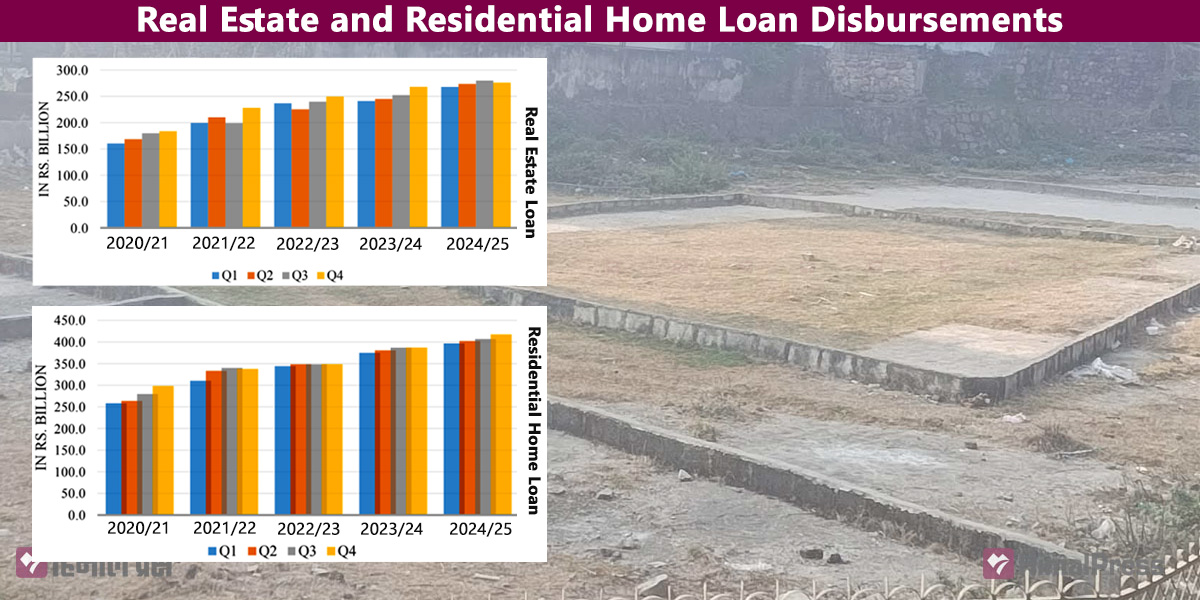
It will also make recommendations on issues seen in banking, financial institutions, insurance, remittance, capital markets, cooperatives, and real estate transactions, as well as matters related to revenue mobilization. The mandate includes identifying new non-tax revenue sources, reviewing rates, addressing tax duplication among federal, provincial, and local levels, and improving intergovernmental revenue management and revenue sharing.
The committee has also formed nine thematic subcommittees to ensure its effective functioning.
It will submit its report to the Finance Minister by mid-May.