
 Himal Press
 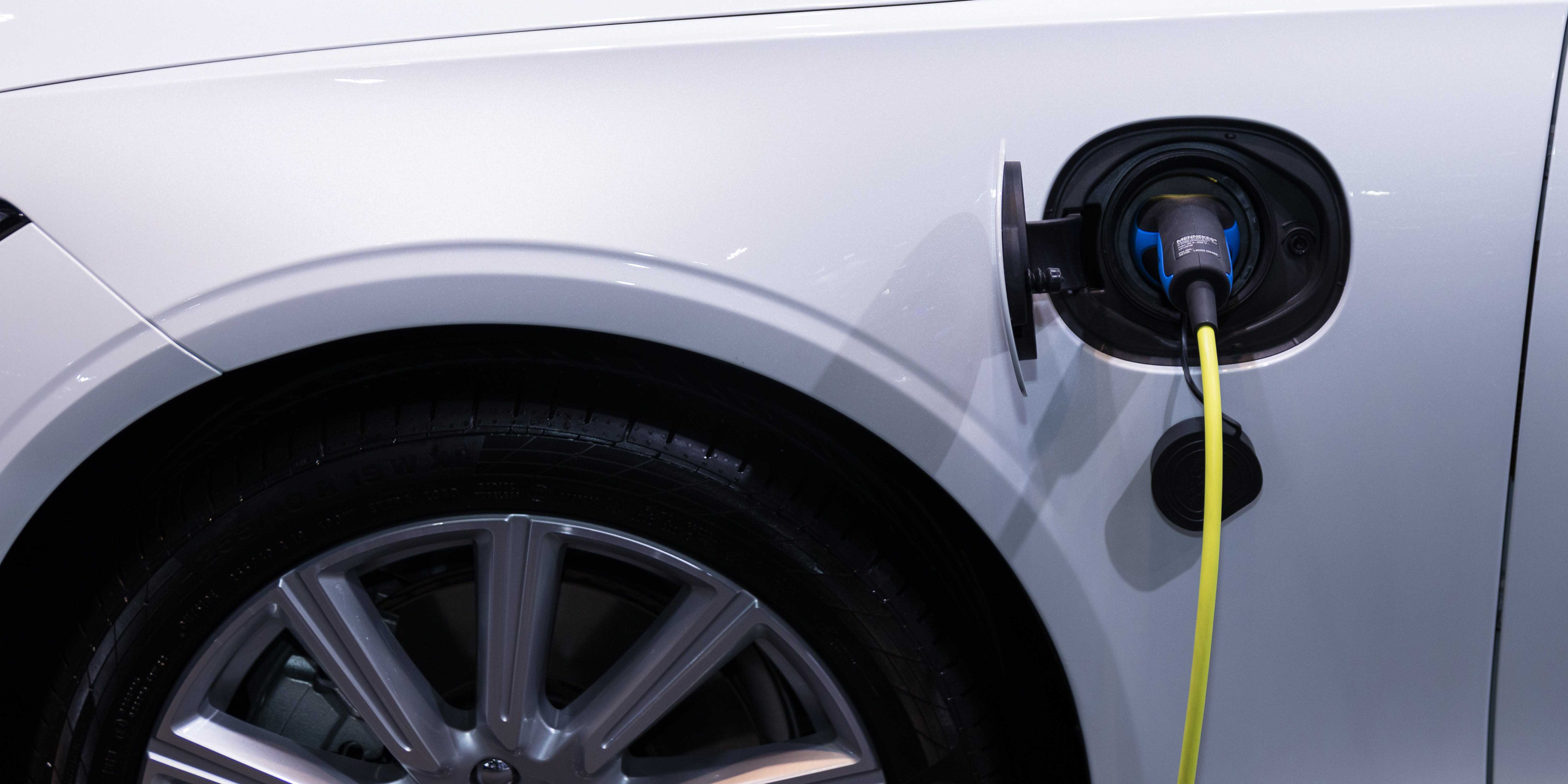 Representative Image (Photo Courtesy: Pexels)
KATHMANDU: Electric vehicle (EV) imports have declined over the first six months of the current fiscal year 2025/26, even as overall car imports increased, data released by the Department of Customs (DoC) on Wednesday shows.
Although total vehicle imports rose by 9.82% percent, or 740 units, to 8,262 between mid-July 2025 and mid-January 2026, EV imports fell by 7.42% to 5,073 units. In the same period of the previous fiscal year, total EV imports stood at 5,480 units.
According to the DoC, Nepal imported EVs worth Rs 12.06 billion during the period, from which it mobilized Rs 7.45 billion in revenue.
The government levies customs and excise duties on EVs based on their peak motor capacity. EVs with a motor capacity of up to 50 kW attract a 15% customs duty and are exempt from excise duty. Vehicles in the 51–100 kW category face a 20% customs duty and a 10% excise duty. For EVs with motor capacity between 101 and 200 kW, both customs and excise duties are set at 30%. Vehicles in the 201–300 kW range are subject to 60% customs duty and 45% excise duty. Similarly, EVs with motor capacity above 300 kW attract the highest taxes—80% customs duty and 50% excise duty.
Imports during the review period were concentrated in the lower tax brackets to benefit from this progressive taxation. A total of 1,585 EVs with motor capacity of up to 50 kW were imported during the six months, followed by 3,017 units in the 51–100 kW range. Similarly, 463 units in the 101–200 kW category and just six units above 200 kW were imported during the period. Additionally, two unassembled EVs below 50 kW were imported during the same period.
Automobile dealers have attributed the decline in EV imports to stockpiling of EVs before the budget announcement for 2025/26 to avoid a possible duty hike. They say many of the around 6,000 EVs imported before the budget speech are still in their inventories.